

Discovering the Mountainous Splendors of West Bengal
While often celebrated for its vibrant culture, rich history, and bustling cities like Kolkata, West Bengal also boasts a breathtaking mountainous terrain that calls to adventure seekers. From the snow-capped giants of the Himalayas in the north to the ancient, rolling hills of the Eastern Ghats in the south, the state offers a diverse range of trekking experiences. Whether you're a seasoned mountaineer or a beginner looking for a scenic escape, West Bengal's mountains provide unforgettable journeys.
The Himalayan Crown: Northern West Bengal
The northernmost reaches of West Bengal are dominated by the majestic Himalayas, offering some of the most sought-after trekking routes in India. The Darjeeling hills, a popular tourist destination, also serve as a gateway to incredible mountain adventures. The air here is crisp, the views are unparalleled, and the sense of accomplishment after a challenging trek is immense.
Sandakphu: The 'Land of Poisonous Clouds'
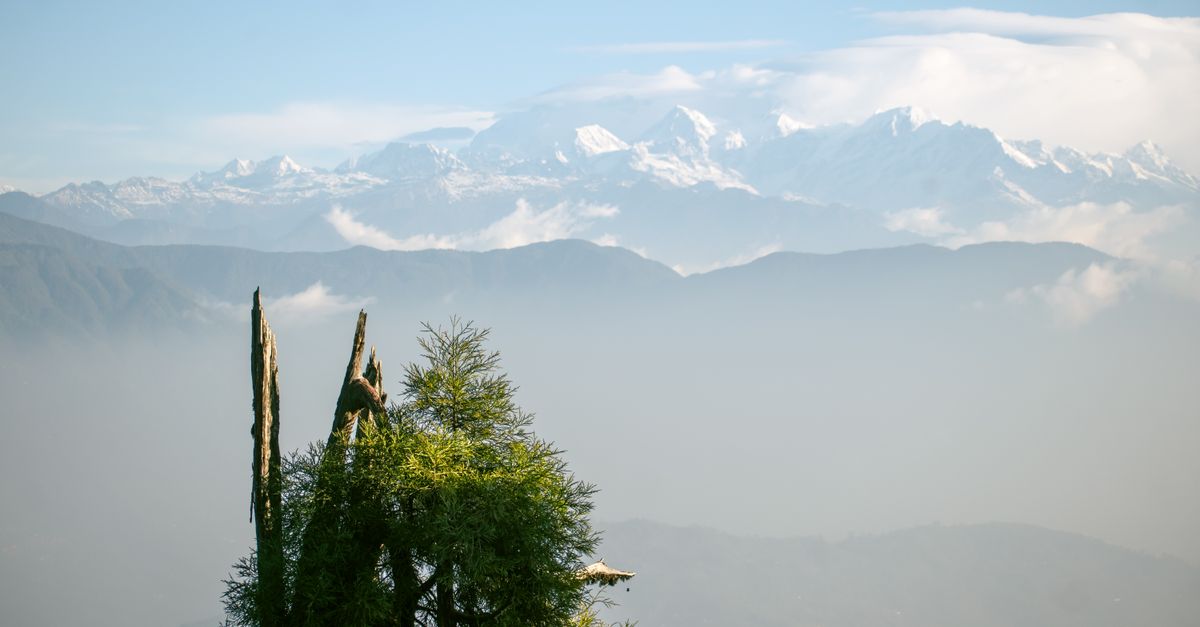
Perhaps the most famous trek in West Bengal is the Sandakphu trek. Located at an altitude of 11,930 feet, Sandakphu is the highest point in West Bengal and offers panoramic views of four of the world's five highest peaks, including Mount Everest, Kanchenjunga, Lhotse, and Makalu. The trail winds through rhododendron forests, alpine meadows, and charming villages, providing a true immersion into the Himalayan landscape. The journey typically starts from Manebhanjan and can be completed in about 4-5 days. The unique perspective from Sandakphu, often referred to as the 'Land of Poisonous Clouds' due to the swirling mists, is a sight to behold.
Phalut: The Summit of Serenity
Often combined with the Sandakphu trek, Phalut, situated at 11,800 feet, offers an equally stunning, albeit slightly different, vista of the Kanchenjunga massif. The trail from Sandakphu to Phalut is relatively shorter but equally rewarding, passing through alpine meadows and offering a sense of profound tranquility. It's a place where you can truly disconnect and soak in the raw beauty of the mountains.
Goecha La (Near Sikkim Border)
While technically a trek that extends into Sikkim, the approach and initial phases of the Goecha La trek often begin from West Bengal's border regions. This challenging trek leads trekkers to a viewpoint offering spectacular close-up views of Kanchenjunga. It's a trek for the more experienced, requiring good physical fitness and preparation, but the reward of standing so close to the third-highest mountain in the world is immeasurable.
The Southern Foothills: Eastern Ghats and Beyond
Moving south, West Bengal's mountainous character shifts. While not as towering as the Himalayas, the ancient hills and plateaus of the Eastern Ghats and their extensions offer a different kind of natural beauty. These regions, often less explored by trekkers, provide a glimpse into a more grounded, rustic side of West Bengal's geography.
Ayodhya Hills: A Tribal Heart
Located in the Purulia district, Ayodhya Hills is a popular destination for weekend trekkers, especially those based in or near Kolkata. These hills, though modest in height, are known for their rugged beauty, waterfalls, and tribal villages. The trek here is less about conquering altitudes and more about experiencing the local culture and natural landscapes. It's an excellent option for beginners and families looking for a refreshing break from city life. The drive from Kolkata to Ayodhya Hills itself offers a transition from the plains to the rolling terrain.
Bijanbari: The 'Hidden Valley'
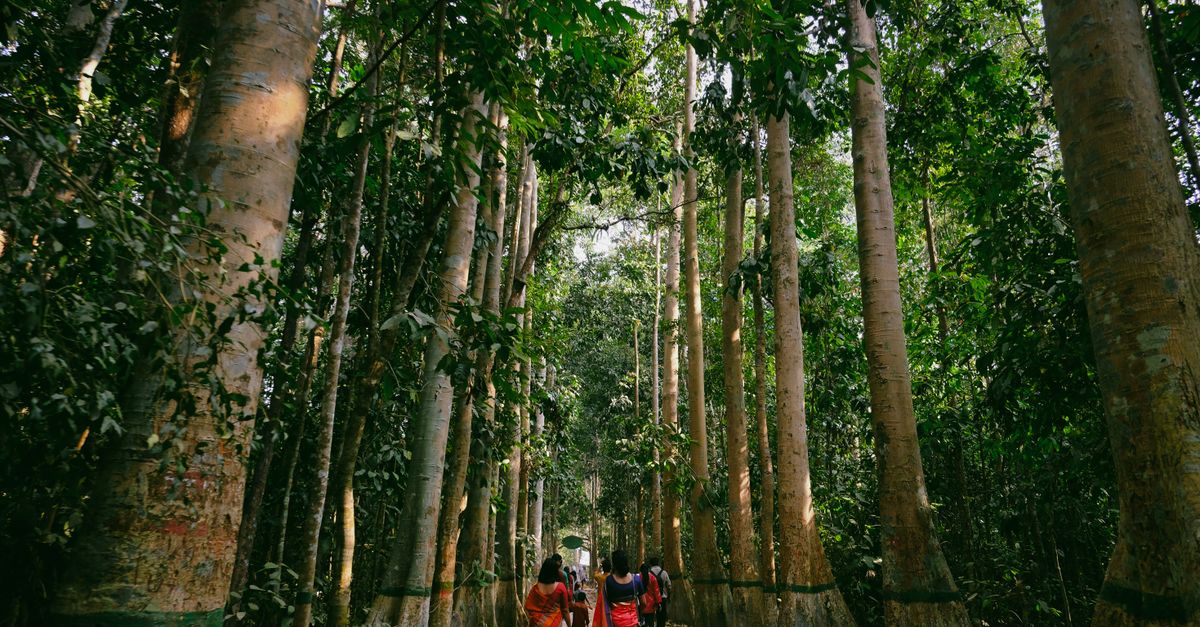
Nestled in the Darjeeling district, Bijanbari is often called the 'Hidden Valley'. It offers a more serene trekking experience away from the crowds of Darjeeling town. The trails here are less defined, often leading through cardamom plantations, orange orchards, and small hamlets. It’s a place that allows for a more intimate connection with nature and local life, showcasing the diverse topography within the broader Himalayan foothills.
Planning Your Trek in West Bengal
Before embarking on any mountain adventure in West Bengal, thorough planning is essential:
- Best Time to Visit: For Himalayan treks, spring (March-May) and autumn (September-November) are ideal, offering clear skies and pleasant temperatures. For Ayodhya Hills, the post-monsoon season (October-February) is best.
- Permits and Guides: Some high-altitude treks may require permits. Hiring local guides is highly recommended for safety, navigation, and a deeper understanding of the region.
- Fitness: Ensure you are physically fit for the chosen trek. Acclimatization is crucial for high-altitude treks to avoid altitude sickness.
- Gear: Pack appropriate clothing, sturdy trekking shoes, a first-aid kit, and sufficient food and water.
- Respect Local Culture: Be mindful of the local customs and traditions, especially when passing through villages.
Beyond the Peaks: Connecting with Nature
Trekking in West Bengal is more than just a physical activity; it's an opportunity to connect with nature in its purest form. The diverse landscapes, from the towering Himalayas to the serene southern hills, offer a sanctuary for the soul. Whether you're captivated by the grandeur of Kanchenjunga or the quiet charm of a tribal village, West Bengal's mountains promise an enriching and unforgettable experience.