

Bihar's Natural Heritage: A Treasure Trove of Biodiversity and Green Spaces
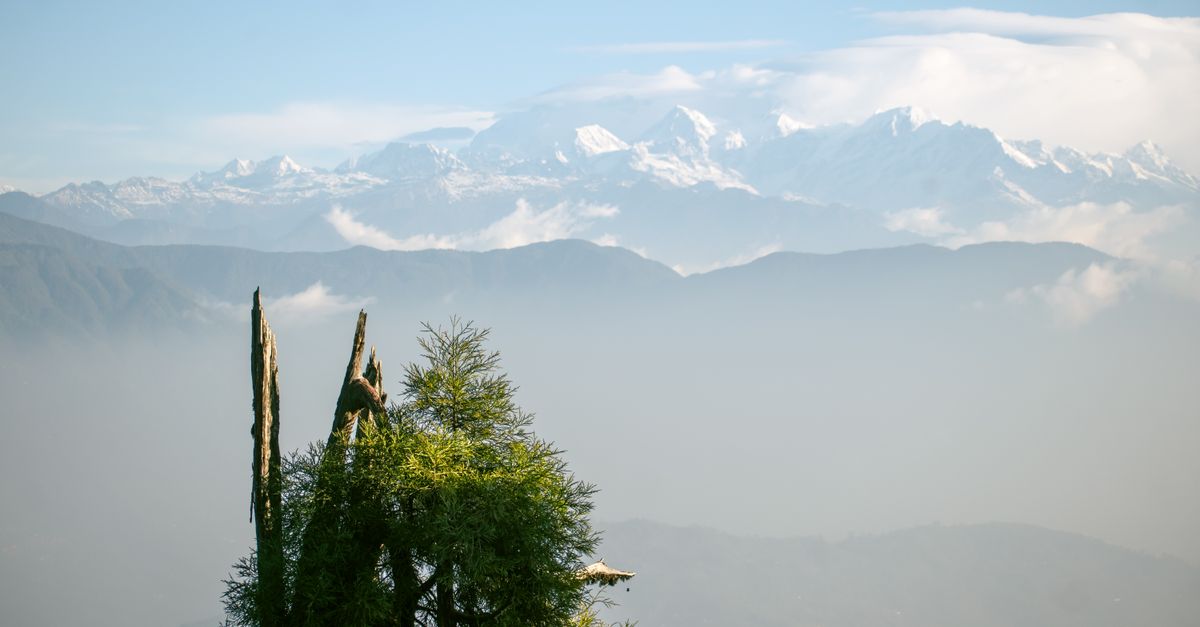
Bihar, a state often recognized for its profound historical and cultural significance, also holds a remarkable natural heritage that deserves exploration. From the urban oases within its capital city, Patna, to the sprawling, diverse ecosystems of its northern districts, Bihar offers a unique blend of natural beauty and ecological importance. This article delves into the natural treasures of Bihar, highlighting the importance of its green spaces and the rich biodiversity that thrives across its landscapes.
Patna's Urban Green Lung: Parks and Riverfronts
Even amidst the bustling urban environment of Patna, pockets of natural beauty thrive, offering respite and ecological balance. The city's parks serve as vital green lungs, providing spaces for recreation, improving air quality, and supporting urban biodiversity. Prominent among these is the Sanjay Gandhi Biological Park, more commonly known as Patna Zoo. While primarily a zoological garden, it also functions as a significant green space, housing a variety of flora and fauna, and contributing to conservation awareness among the city's residents.
The development of Patna's riverfront along the Ganges has also introduced new dimensions to its natural landscape. These areas, often landscaped with native plants and trees, not only enhance the city's aesthetic appeal but also play a role in managing the river's ecosystem and providing habitats for local bird species. The Ganges itself, a lifeline for the region, is a crucial part of Bihar's natural heritage, supporting a complex aquatic ecosystem and providing sustenance for countless communities.
North Bihar's Biodiversity Hotspots
Venture north of the Ganges, and Bihar's natural heritage unfolds in a tapestry of diverse ecosystems. North Bihar is characterized by its fertile plains, numerous rivers, and a rich variety of flora and fauna. This region is particularly important for its wetlands, grasslands, and forests, which harbor significant biodiversity.
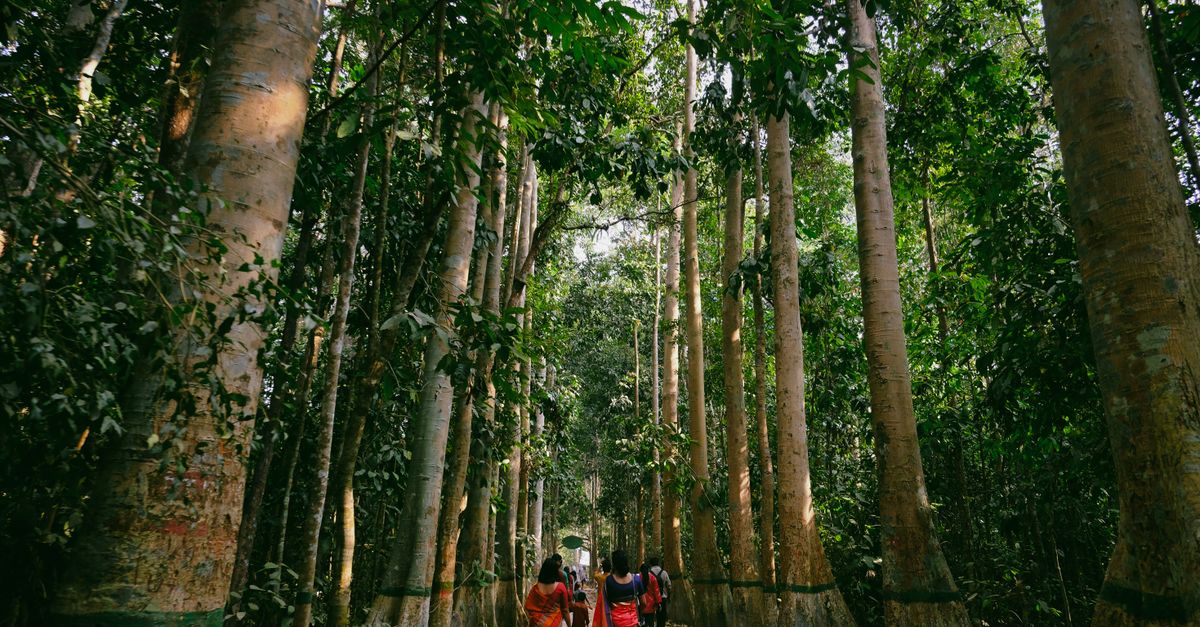
One of the most significant natural attractions in Bihar, and indeed in North Bihar, is the Valmiki Tiger Reserve. Located in the West Champaran district, this reserve is the state's only national park and a critical tiger habitat. It forms the westernmost tip of the combined tiger habitats of Nepal and India and is home to a wide array of wildlife, including tigers, leopards, rhinoceros, bears, and numerous species of birds and reptiles. The reserve's varied terrain, encompassing dense forests, grasslands, and riverine belts, creates a rich mosaic of habitats essential for its thriving wildlife population.
Wetlands and Riverine Ecosystems
The numerous rivers that crisscross North Bihar, such as the Gandak, Kosi, and Bagmati, create extensive wetland systems. These wetlands are crucial for maintaining ecological balance, acting as natural filters for water, and providing essential habitats for migratory birds and aquatic life. Areas around these rivers are often rich in biodiversity, supporting fish populations, amphibians, and a variety of plant species adapted to waterlogged conditions.
These riverine and wetland ecosystems are not only vital for wildlife but also play a significant role in the livelihoods of local communities, particularly through fishing and agriculture. Conservation efforts focused on these areas are essential to protect the delicate balance of nature and ensure the sustainability of these resources.
Conservation Efforts and Future Prospects
Recognizing the immense value of its natural heritage, Bihar has been increasingly focusing on conservation initiatives. The protection of areas like the Valmiki Tiger Reserve is paramount, involving anti-poaching measures, habitat management, and community-based conservation programs. Efforts are also underway to protect and restore the state's wetlands and riverine ecosystems, acknowledging their ecological and economic importance.
Promoting eco-tourism in these natural areas can provide a sustainable economic incentive for conservation, allowing visitors to experience Bihar's natural beauty responsibly. By developing infrastructure that respects the environment and engages local communities, Bihar can showcase its natural wonders while ensuring their preservation for future generations.
Conclusion: Cherishing Bihar's Natural Legacy
Bihar's natural heritage is a multifaceted treasure, encompassing the green spaces within its cities like Patna and the vast, biodiverse landscapes of its northern regions. From the majestic wildlife of Valmiki Tiger Reserve to the life-sustaining wetlands and rivers, the state's natural assets are invaluable. Continued focus on conservation, sustainable development, and raising public awareness is key to preserving this legacy, ensuring that the natural beauty and ecological richness of Bihar continue to thrive.