



Entertainment Trends 2026: What’s Changing in Movies, OTT, Music & Digital Content
Entertainment in 2026 is undergoing a massive transformation. From the rise of OTT platforms to the growing influence of artificial intelligence in content creation, the way people consume entertainment has changed dramatically.
Based on industry reports, audience behaviour data, and digital consumption trends, it’s clear that traditional formats are evolving while new platforms are taking centre stage.
1. OTT Platforms Continue to Dominate
Streaming platforms have become the primary source of entertainment for millions of users worldwide. Services like Netflix, Amazon Prime Video, and Disney+ are investing heavily in original content to retain audiences.
According to industry insights, OTT consumption has grown significantly due to convenience, personalised recommendations, and affordable subscription models.
Regional content is also booming, especially in countries like India, where local language shows are gaining massive popularity.
2. The Rise of AI in Content Creation
Artificial intelligence is no longer limited to tech — it’s now shaping the entertainment industry as well. From scriptwriting assistance to video editing and music production, AI tools are speeding up content creation.
While AI improves efficiency, it also raises questions about creativity, originality, and the role of human storytellers in the future.
3. Short-Form Content Is Taking Over
Platforms like YouTube Shorts, Instagram Reels, and TikTok have changed how audiences consume content. Short, engaging videos are now preferred over long formats, especially among younger users.
Creators are focusing on quick storytelling, viral trends, and high engagement to capture audience attention within seconds.
4. Cinema vs OTT: The Changing Balance
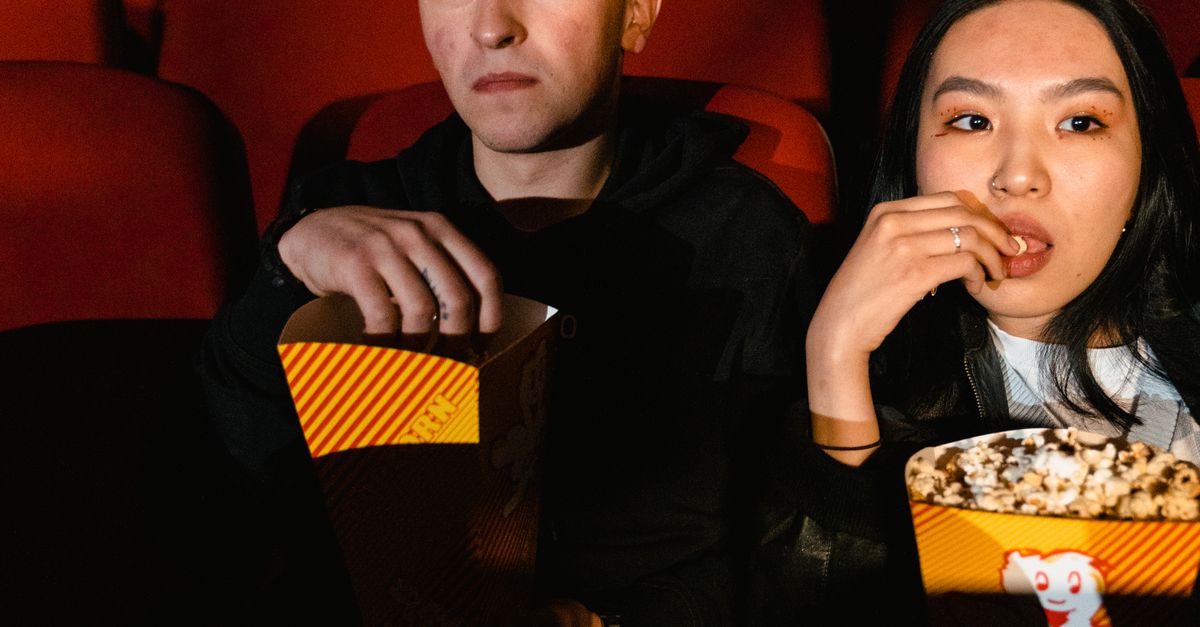
While cinemas are making a comeback, OTT platforms continue to dominate day-to-day entertainment consumption. Big-budget movies still attract audiences to theatres, but mid-scale films are increasingly being released online.
This hybrid model is likely to continue, giving viewers more flexibility in how they watch content.
5. Music Industry Evolution
The music industry is also evolving rapidly. Streaming platforms like Spotify and Apple Music are shaping listening habits, while independent artists are gaining visibility through digital platforms.
Short video platforms are playing a key role in making songs viral, often determining a track’s success.
6. Creator Economy Is Booming
Content creators are becoming powerful influencers in the entertainment ecosystem. Platforms like YouTube and Instagram are enabling individuals to build large audiences and generate income.
The creator economy is expected to grow further as brands increasingly collaborate with influencers for marketing and promotions.
7. Audience behaviour is changing.
Viewers today want personalised, on-demand content. They prefer content that is relatable, engaging, and easily accessible across devices.
Binge-watching, multi-device viewing, and interactive content are becoming the new normal.
What This Means for the Industry
The entertainment industry must adapt to these changes by focusing on quality content, innovation, and audience engagement.
Producers, creators, and platforms that understand these trends will have a competitive advantage in the evolving digital landscape.
Conclusion
Entertainment in 2026 is more dynamic than ever. With OTT platforms leading the way, AI transforming production, and audiences demanding better experiences, the industry is entering a new era.
For viewers, this means more choices, better content, and greater flexibility in how they consume entertainment.