





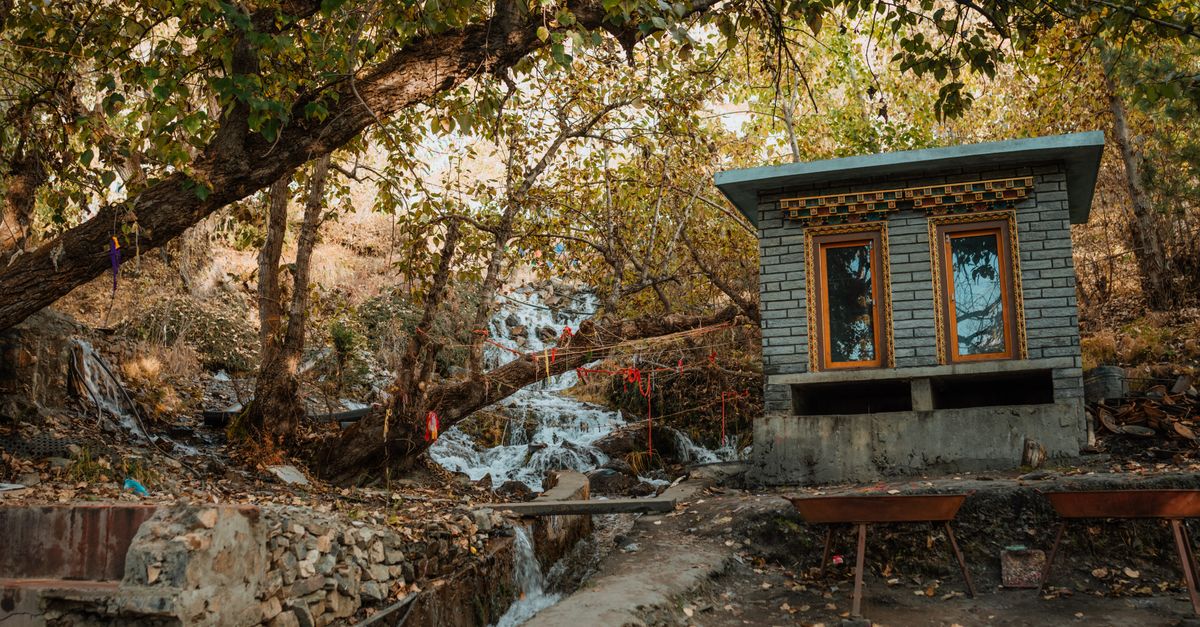
Arunachal Pradesh Strengthens Community-Led Habitat Protection in Frontier Districts
Arunachal Pradesh, a jewel in India's northeastern crown, is renowned for its breathtaking landscapes, pristine forests, and unparalleled biodiversity. As a global biodiversity hotspot, the state harbors a vast array of flora and fauna, many of which are endemic and endangered. Recognizing the escalating threats to these precious ecosystems, from deforestation and poaching to the impacts of climate change and infrastructure development, the state administration is placing a renewed and stronger emphasis on empowering its local communities to lead habitat protection efforts, particularly in its remote frontier districts.
This strategic pivot is not merely an administrative directive but a deep acknowledgment of the invaluable role indigenous communities have played, and continue to play, in safeguarding their ancestral lands. With a rich tapestry of tribal cultures deeply intertwined with nature, Arunachal Pradesh is leveraging traditional ecological knowledge and active community participation as the bedrock of its conservation strategy.
A Biodiversity Hotspot Under Pressure
Spanning diverse altitudinal zones, Arunachal Pradesh is home to evergreen forests, alpine meadows, and a complex network of rivers. This ecological diversity supports iconic species such as the clouded leopard, red panda, Mishmi takin, various species of hornbills, and numerous rare orchids. However, this natural wealth is increasingly under threat. Illegal logging, agricultural expansion, and the burgeoning demand for forest resources exert immense pressure on virgin forests. Poaching, though combated vigorously, remains a persistent challenge, targeting vulnerable species for illegal trade.
Furthermore, the impacts of climate change, manifest in altered rainfall patterns and rising temperatures, are beginning to shift habitat ranges and stress sensitive ecosystems. Large-scale development projects, while crucial for regional progress, also pose a significant challenge, necessitating careful planning and robust environmental impact assessments to mitigate their footprint on critical wildlife corridors and habitats.
The Power of Indigenous Guardianship
For centuries, the indigenous tribes of Arunachal Pradesh, including the Nyishi, Adi, Apatani, Monpa, and Galo, have lived in harmony with nature, developing sustainable practices and a profound respect for their environment. Their traditional knowledge systems often encompass intricate understanding of forest management, wildlife behavior, and the medicinal properties of plants. This deep-rooted connection forms the cornerstone of effective conservation.
Many communities have designated sacred groves, areas of forest protected due to religious or cultural significance, which serve as de facto biodiversity refugia. Community-led forest management groups are actively involved in patrolling forest areas, monitoring wildlife, and raising awareness about the importance of conservation. These groups, often supported by local NGOs and the Forest Department, are proving to be the most effective first line of defense against environmental degradation. Their presence ensures continuous vigilance and fosters a sense of collective ownership over natural resources, which is far more sustainable than top-down enforcement alone.
Frontier Challenges, Local Solutions
The frontier districts of Arunachal Pradesh, often sharing borders with neighboring countries, present unique challenges for conservation. These remote areas can be difficult to access, making monitoring and enforcement complex. Limited infrastructure, coupled with socio-economic pressures, can sometimes lead to reliance on natural resources in unsustainable ways. Moreover, human-wildlife conflict, particularly with species like elephants and wild pigs, is a growing concern, impacting livelihoods and sometimes leading to retaliatory actions.
Despite these hurdles, it is precisely in these frontier regions that community-led initiatives are making the most significant impact. Villages bordering national parks and wildlife sanctuaries are actively engaging in eco-tourism initiatives that provide alternative livelihoods, thereby reducing dependency on forest exploitation. From Itanagar, the state capital, efforts are being made to coordinate and channel resources to these remote areas, providing training, equipment, and financial support to local conservationists. The aim is to empower these communities to develop and implement localized solutions that are culturally appropriate and ecologically sound, fostering resilience in both human and natural systems.
Collaborative Conservation: Government, NGOs, and Research
The success of Arunachal Pradesh's habitat protection model hinges on robust collaboration between various stakeholders. The State Forest Department and the Department of Environment & Forests play a pivotal role in formulating policies, establishing protected areas, and providing technical expertise. They work closely with non-governmental organizations (NGOs) that bring in specialized knowledge, funding, and grassroots implementation capabilities. Organizations like the Wildlife Trust of India and WWF-India have long-standing projects in the region, focusing on specific species protection, anti-poaching measures, and community engagement.
Furthermore, academic and research institutions are crucial for conducting ecological studies, monitoring biodiversity trends, and informing conservation strategies. By integrating scientific data with traditional knowledge, a more holistic and effective approach to habitat protection can be developed, ensuring that interventions are evidence-based and tailored to the unique ecological context of Arunachal Pradesh.
The Path Forward: Sustainable Future for Arunachal's Wildlife
The renewed emphasis on community-led habitat protection in Arunachal Pradesh represents a progressive and pragmatic approach to conservation. It acknowledges that the long-term health of the state's ecosystems is inextricably linked to the well-being and active participation of its people. By investing in local communities, providing them with the necessary tools and support, and respecting their traditional wisdom, Arunachal Pradesh is not only safeguarding its natural heritage but also building a model for sustainable development.
Looking ahead, continued policy support, enhanced funding for grassroots initiatives, and the promotion of sustainable livelihoods like responsible eco-tourism will be vital. The goal is to create a future where the unique biodiversity of Arunachal Pradesh thrives, protected by the very communities who call these magnificent landscapes home, ensuring a legacy for generations to come.