






Arunachal Pradesh Wildlife: Arunachal's Fragile Ecosystems Face New Threats, Conservation Efforts Intensify
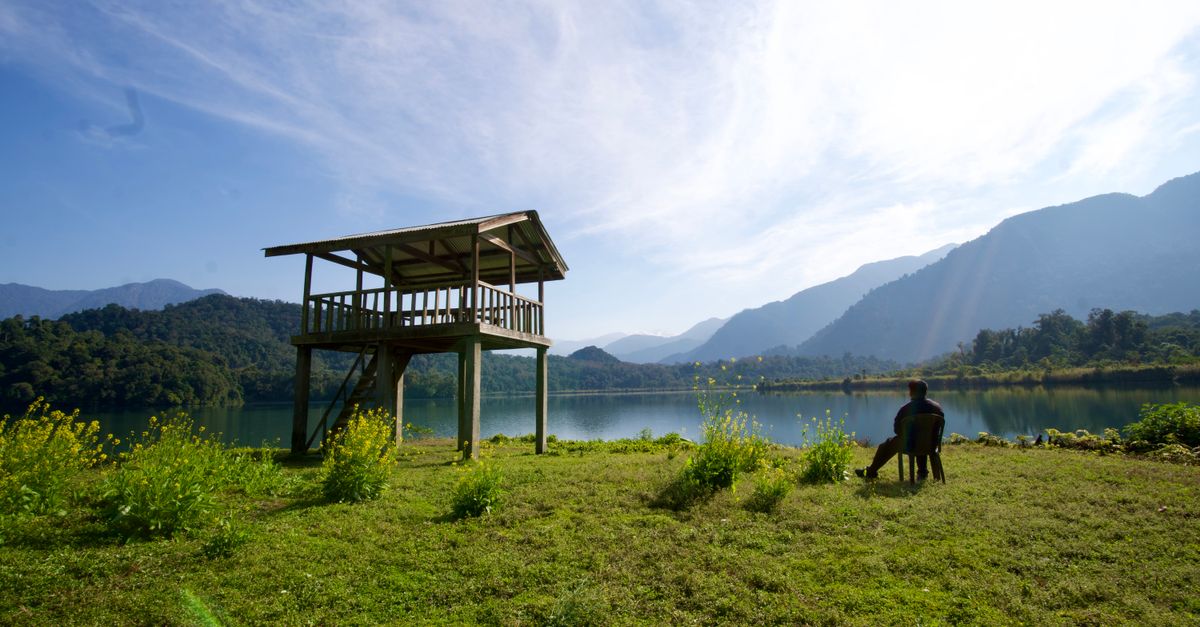
Arunachal Pradesh, often hailed as the 'Nature's Paradise' of India, is a treasure trove of biodiversity. Nestled in the Eastern Himalayas, this northeastern state boasts pristine forests, snow-capped mountains, and a rich tapestry of flora and fauna. However, this natural abundance is increasingly facing complex challenges. Emerging threats, coupled with developmental pressures, are putting a strain on its fragile ecosystems, prompting a renewed focus on robust conservation strategies.
The Biodiversity Hotspot Under Pressure
Arunachal Pradesh is a critical component of the Indo-Burma biodiversity hotspot, an area renowned for its exceptional species richness and high levels of endemism. The state is home to a remarkable array of wildlife, including the elusive Snow Leopard, the majestic Royal Bengal Tiger, the endangered Red Panda, and the critically endangered White-bellied Heron. Its vast, undisturbed forest cover provides crucial habitats for these and countless other species. However, rapid infrastructure development, including road construction and hydroelectric projects, along with increasing human-wildlife conflict and potential impacts of climate change, are raising alarms among conservationists.
Focus on Key Species: White-bellied Heron and Red Panda
Two species that have become symbols of Arunachal Pradesh's conservation challenges are the White-bellied Heron (Ardea insignis) and the Red Panda (Ailurus fulgens). The White-bellied Heron, one of the rarest birds in the world, is critically endangered, with its global population estimated to be fewer than 250 mature individuals. Arunachal Pradesh, particularly its riverine habitats, offers one of the last strongholds for this magnificent bird. Conservation efforts often focus on protecting its nesting sites and foraging grounds, which are vulnerable to habitat degradation and human disturbance.
Similarly, the Red Panda, a charismatic mammal found in the temperate forests of the Himalayas, faces significant threats from habitat loss and fragmentation due to deforestation and agricultural expansion. While the Eastern Himalayas, including parts of Arunachal Pradesh, are vital for its survival, conservationists are working on community-based initiatives to protect its habitat and reduce human-wildlife conflict. This includes creating awareness among local communities and promoting sustainable land-use practices.
Conservation Initiatives in and Around Itanagar
The capital city, Itanagar, and its surrounding areas, while experiencing urban growth, are also gateways to crucial wildlife habitats. Local conservation groups and the Arunachal Pradesh Forest Department are actively engaged in monitoring wildlife populations, conducting ecological surveys, and implementing habitat restoration projects. Efforts are being made to integrate conservation goals with local development plans, ensuring that progress does not come at the cost of the state's natural heritage. This includes promoting eco-tourism that benefits local communities and provides economic incentives for conservation.
The Pakke Tiger Reserve, though not directly adjacent to Itanagar, is a significant conservation area in the state and serves as a model for wildlife management. Its focus on community participation and robust anti-poaching measures has shown promising results. Similar approaches are being explored for other ecologically sensitive zones across the state.
Challenges in Frontier Districts
The frontier districts of Arunachal Pradesh, bordering international boundaries, present unique conservation challenges. These areas often have remote and difficult terrain, making monitoring and enforcement arduous. However, these regions also harbor some of the most pristine and biodiverse habitats, crucial for species that require large, undisturbed territories. Conservation strategies here must be sensitive to the geopolitical context and the needs of indigenous communities who have coexisted with wildlife for centuries.
Protecting these areas requires a multi-pronged approach, involving collaboration with local communities, strengthening forest protection mechanisms, and conducting scientific research to understand the ecological dynamics. The focus is on ensuring that development projects in these sensitive regions are undertaken with extreme caution and with minimal ecological impact. This includes strict environmental impact assessments and the establishment of buffer zones around critical habitats.
The Role of Community and Policy
Effective wildlife conservation in Arunachal Pradesh hinges on the active participation of local communities. Many indigenous communities in the state have traditional knowledge systems that are invaluable for understanding and managing local ecosystems. Empowering these communities through education, livelihood support, and involvement in decision-making processes is crucial. The state government, through its forest department, is increasingly recognizing this and working towards more collaborative conservation models.
Policy frameworks are also evolving. The National Wildlife Action Plan and various state-specific policies aim to strengthen protected area networks, combat poaching and illegal wildlife trade, and promote human-wildlife conflict mitigation. However, consistent implementation and adequate funding remain key challenges. The need for robust enforcement against illegal activities and the sustainable management of natural resources cannot be overstated.
Looking Ahead: A Sustainable Future for Arunachal's Wildlife
Arunachal Pradesh's wildlife is a national asset, and its conservation is a collective responsibility. While the challenges are significant, the growing awareness and dedicated efforts by conservationists, the government, and local communities offer hope. The focus must remain on balancing development with ecological preservation, ensuring that the state's unique biodiversity thrives for generations to come. Continued research, adaptive management strategies, and strong community partnerships will be essential in navigating the complex path ahead for Arunachal's precious wildlife.
