



US Justice Dept Subpoenas NYT Over Qatar Jet Leak: Press Freedom and Diplomatic Fallout
In a development that has sent ripples through media houses and diplomatic circles worldwide, the United States Department of Justice (DOJ) has issued subpoenas to reporters from The New York Times. The target of this legal action is a specific report published by the newspaper, which detailed Qatar's acquisition and use of a US-made aircraft, allegedly configured in a manner akin to the American presidential plane, 'Air Force One'. This incident is not just about a leaked document; it's a potent reminder of the ongoing tension between government transparency, national security, and the fundamental role of a free press.
For readers in India and across the globe, this situation offers critical insights into how major democracies navigate these complex issues, especially when international relations are at stake. Let's break down what happened, why it matters, and what we should be watching next.
The Leak That Sparked a Storm: What We Know
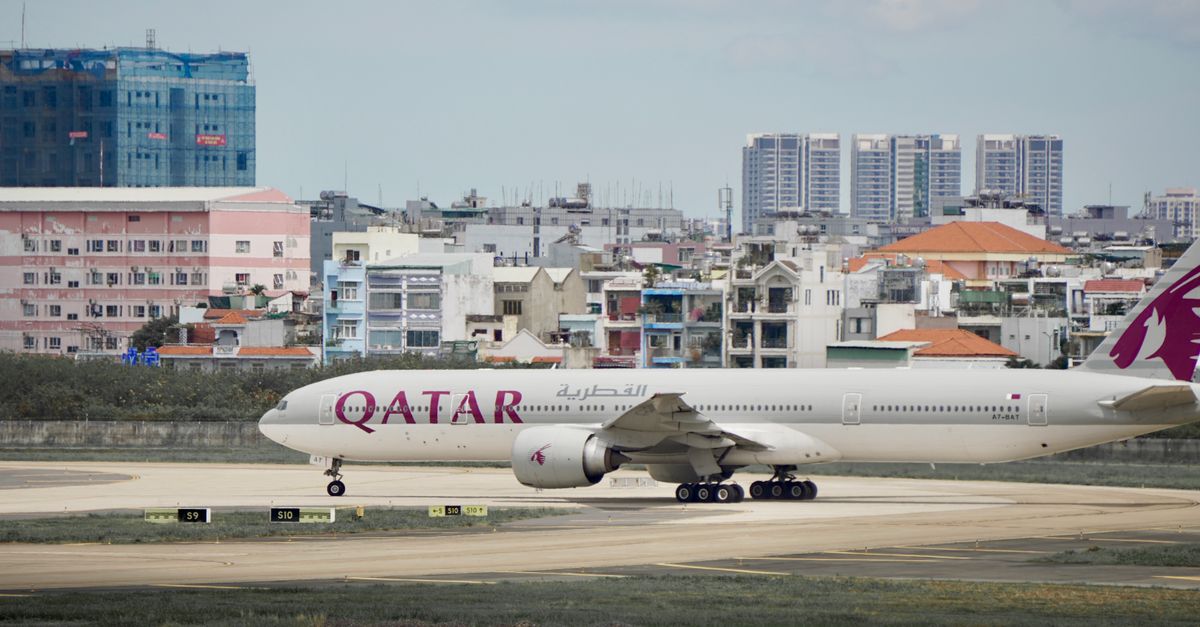
The New York Times report in question brought to light details about Qatar's possession and use of a specific US-manufactured aircraft. What made the report particularly sensitive was the claim that this jet was outfitted with advanced capabilities, mirroring those typically found on 'Air Force One' – the heavily customized aircraft used by the President of the United States. Such configurations often involve sophisticated communication systems, defensive measures, and secure facilities, all of which are highly classified.
The information, allegedly leaked from within US government circles, raised eyebrows because it touched upon sensitive military and diplomatic technology transfers, as well as the security protocols surrounding high-value assets. The report implied that the details of this arrangement were not meant for public consumption, leading the DOJ to investigate the source of the leak.
The subpoenaing of journalists is a serious step, indicating that the US government believes the leaked information could compromise national security or other sensitive interests. It forces reporters to potentially reveal their sources, a practice fiercely protected by journalistic ethics and often seen as a cornerstone of press freedom.
Press Freedom vs. National Security: The Core Conflict
At the heart of this controversy lies a perennial conflict in democratic societies: the right of the public to be informed versus the government's need to protect classified information. Journalists often rely on confidential sources to uncover stories of public interest, including potential government overreach, waste, or even critical foreign policy details. Shielding these sources is paramount for the press to function effectively.
Conversely, governments argue that certain information, if made public, could endanger national security, compromise intelligence operations, or harm diplomatic relationships. The Espionage Act in the US, for instance, makes it illegal to disseminate classified information that could injure the United States or aid a foreign adversary. The DOJ's action suggests they believe the leaked information falls into this category.
This isn't a new battle. Throughout history, governments have sought to control information, while the press has fought to reveal it. Cases like the Pentagon Papers in the 1970s set legal precedents, affirming the media's right to publish even classified information under certain circumstances, provided it does not pose an immediate, direct, and irreparable harm to national security. The current situation with The New York Times will inevitably test these boundaries once again.
Key Points of Contention:
- Source Protection: Journalists' ethical obligation to protect confidential sources.
- Public Interest: The media's role in informing the public about government actions.
- Government Secrecy: The state's right to classify information for national security.
- Legal Precedent: How this case could impact future interactions between the press and government.
Qatar's 'Air Force One' and Diplomatic Ripples
The specific details about Qatar's aircraft are crucial here. Qatar is a vital strategic partner for the United States in the Middle East, hosting a major US air base (Al Udeid Air Base) that is central to American military operations in the region. The relationship is complex, balancing security cooperation with diplomatic and economic ties.
The report about Qatar's 'Air Force One'-like jet could raise several diplomatic questions:
- Technology Transfer Concerns: How much advanced US technology was transferred to Qatar, and under what conditions?
- Security Implications: Does the configuration of such a jet pose any security risks if the technology falls into the wrong hands or is compromised?
- Perception of Influence: How does this arrangement appear to other regional players or international allies?
While the US often sells advanced military equipment to allies, the specifics of a presidential-style aircraft, especially one with highly secure communications, are typically guarded. A public leak of such details could potentially embarrass both the US and Qatar, and even strain their strategic partnership. It highlights the delicate balance of trust and discretion required in high-level international defense cooperation.
Legal Battle Ahead: Espionage Act and Precedents
The DOJ's use of subpoenas suggests a serious investigation, likely under the Espionage Act. This act, enacted in 1917, has been increasingly used in recent years to prosecute government employees and contractors who leak classified information. However, applying it to journalists who publish such information is more contentious and raises significant First Amendment concerns.
The New York Times, like many major news organizations, has a long history of fighting such subpoenas to protect its journalists and their sources. This legal battle could be protracted and costly, potentially reaching the highest courts. The outcome will not only affect the individuals involved but will also set important precedents for press freedom in the digital age.
A Look at Similar Cases:
| Case | Year | Key Issue | Outcome/Significance |
|---|---|---|---|
| Pentagon Papers | 1971 | Publication of classified history of Vietnam War | Supreme Court ruled in favor of NYT and Washington Post, upholding freedom of the press. |
| Judith Miller (NYT) | 2005 | Refusal to reveal source in CIA leak case | Jailed for 85 days for contempt of court; eventually testified after source released her. Highlighted reporter's privilege. |
| James Risen (NYT) | 2015 | Refusal to reveal source for book on CIA operation | DOJ sought his testimony for years; eventually, the government dropped the demand for source identity. |
This history shows that the legal landscape is complex and often contested. Each new case adds another layer to the interpretation of press freedom versus national security.
Global Implications: Beyond US Borders
The implications of this DOJ action extend far beyond Washington D.C. and New York. For democracies worldwide, including India, the treatment of journalists by powerful governments is a benchmark for press freedom. When a government subpoenas reporters from a globally respected newspaper, it sends a message about its stance on transparency and media independence.
For international relations, this incident could:
- Impact US-Qatar Trust: The leak itself, and the subsequent investigation, could strain the trust between the two nations, potentially affecting future security cooperation or diplomatic engagements.
- Influence Media Practices: It might cause other news organizations to exercise greater caution when handling sensitive information, or conversely, galvanize them to push back harder against government secrecy.
- Shape International Discourse: It will undoubtedly fuel discussions in international forums about the role of investigative journalism, government accountability, and the protection of whistleblowers.
India, with its own vibrant media landscape and evolving diplomatic ties, watches such developments closely. The principles of press freedom and national security are debated within Indian contexts as well, making this US case particularly resonant.
What's Next: A Watchlist for Readers
The immediate future holds several potential developments:
- Legal Challenges: The New York Times is expected to challenge the subpoenas vigorously in court, setting the stage for a significant legal battle.
- Congressional Scrutiny: Lawmakers in the US Congress might weigh in on the issue, potentially holding hearings or introducing legislation related to press shield laws or Espionage Act reforms.
- DOJ's Next Steps: Depending on the court's rulings, the DOJ could pursue further legal action, including compelling testimony or seeking contempt charges.
- Diplomatic Responses: While unlikely to be public, behind-the-scenes diplomatic discussions between the US and Qatar might occur to manage any fallout from the leak.
- Media Industry Response: Expect strong condemnations from press freedom organizations and other media outlets, highlighting the importance of protecting journalistic sources.
This case is far from over, and its resolution will have lasting consequences for journalism, government transparency, and international diplomacy.
Key Takeaways for the Indian Reader
This incident underscores several crucial points relevant to a global audience, especially in a dynamic democracy like India:
- The Enduring Tension: The struggle between a government's need for secrecy and the public's right to know is a constant in democracies.
- Press Freedom is Fragile: Even in established democracies, press freedom is not absolute and must be continually defended against challenges.
- Global Interconnectedness: A leak about an aircraft in one country can have diplomatic and legal repercussions that span continents.
- Informed Citizenship Matters: Understanding these complex issues helps citizens hold their own governments accountable and appreciate the role of a free press.
As this story unfolds, it serves as a powerful reminder of the delicate balance required to maintain both national security and the democratic principles of transparency and a free press. Bharat Jankari will continue to monitor this important development.