




Embracing a Healthy Lifestyle: Tripura's Path to Wellness Through Balanced Living
In an era where fast-paced living often takes a toll on our health, the northeastern state of Tripura is witnessing a growing awareness and concerted effort towards adopting healthier lifestyles. From the vibrant capital city of Agartala to the tranquil, often geographically challenging, border districts, communities are increasingly recognizing the profound impact of daily choices on long-term well-being. This shift isn't just about avoiding illness; it's about fostering a holistic sense of health that integrates traditional wisdom with practical modern approaches.
Tripura, with its unique cultural tapestry and diverse landscapes, offers both opportunities and challenges for maintaining a healthy lifestyle. The traditional diets rich in local produce, coupled with physically active routines, have historically contributed to the robust health of its people. However, the advent of urbanization, changing dietary habits, and sedentary lifestyles presents new hurdles that require thoughtful solutions.
The Agartala Urban Pulse: Navigating Modern Lifestyles
Agartala, as Tripura's capital, is a microcosm of modern India's lifestyle trends. The city's rapid development brings with it conveniences but also introduces challenges like increased consumption of processed foods, longer working hours, and reduced physical activity. Residents often grapple with the pressures of urban life, leading to stress, sleep deprivation, and a higher incidence of lifestyle-related ailments such as diabetes, hypertension, and obesity.
Yet, Agartala is also a hub for health consciousness. Parks like the Heritage Park and Ujjayanta Palace grounds see a steady stream of walkers and joggers every morning and evening. Fitness centers and yoga studios are gaining popularity, offering avenues for structured exercise and stress relief. Local markets continue to thrive, providing access to fresh fruits, vegetables, and fish, which are staples of the traditional Tripuri diet. The challenge lies in consistently making healthy choices amidst the allure of convenience foods and sedentary entertainment.
Many Agartala residents are actively seeking ways to integrate physical activity into their daily routines, be it through cycling to work, taking the stairs, or participating in community sports. There's a noticeable trend towards mindful eating, with a preference for home-cooked meals and a reduction in sugary drinks and excessive oil. Educational campaigns by local health departments and NGOs also play a crucial role in raising awareness about balanced nutrition and the importance of regular health check-ups.
Beyond the City: Wellness in Tripura's Border Districts
Moving away from Agartala into Tripura's border districts, such as Sepahijala, South Tripura, or Dhalai, the landscape of lifestyle health shifts. Here, communities often maintain closer ties to traditional ways of life, which inherently support well-being. Dependence on local agriculture, fishing, and forest produce means diets are typically rich in seasonal, unprocessed foods. Physical activity is often integrated into daily chores, farming, and travel, keeping residents naturally active.
For instance, in many villages along the Bangladesh border, community members still engage in traditional farming methods that require significant physical exertion. Their diets often feature indigenous vegetables, bamboo shoots, fermented fish (hukuti), and rice, providing a balanced intake of nutrients. This reliance on local food systems not only ensures freshness but also supports sustainable practices.
However, these regions also face unique challenges. Limited access to advanced healthcare facilities means preventive lifestyle choices become even more critical. Economic changes and increased connectivity can sometimes lead to the introduction of less healthy processed foods, impacting traditional dietary patterns. There's a delicate balance to strike: preserving the health benefits of traditional lifestyles while also addressing new health risks and ensuring access to essential health information.
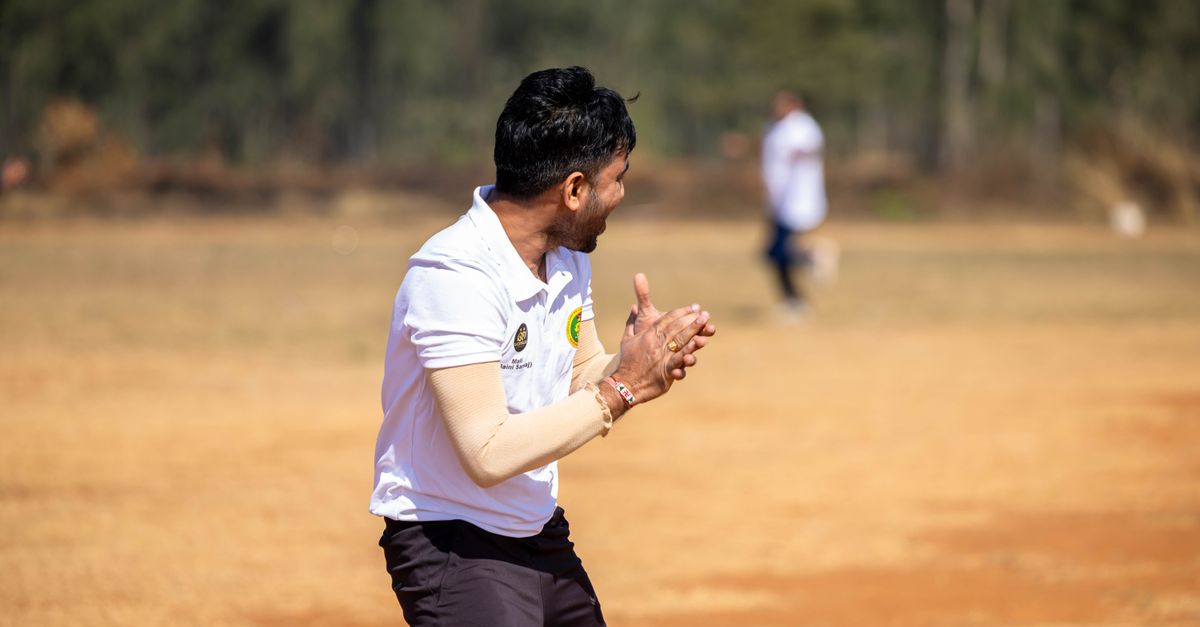
Community-led initiatives are vital in these areas, promoting traditional sports, encouraging kitchen gardens for fresh produce, and organizing health camps that educate on nutrition and hygiene. The resilience and resourcefulness of these communities in maintaining their health through close ties to nature and communal living offer valuable lessons in sustainable wellness.
Integrating Tradition and Modernity for Holistic Health
The key to a healthier Tripura lies in a harmonious blend of its rich traditions and the best of modern health knowledge. Traditional Tripuri cuisine, with its emphasis on boiling, steaming, and minimal oil, offers a blueprint for healthy eating. Ingredients like Mui Borok (fermented fish), local herbs, and a wide array of vegetables are not just culturally significant but also nutritionally dense. Encouraging the consumption of these local, seasonal foods can combat the rise of non-communicable diseases.
Similarly, traditional forms of physical activity, whether it's community dancing during festivals, trekking through local terrains, or engaging in traditional sports, can be revitalized and promoted alongside modern exercises. Yoga and meditation, deeply rooted in Indian culture, are also gaining traction as effective tools for managing stress and promoting mental well-being across all demographics in Tripura.
Modern health awareness campaigns can focus on educating people about portion control, the dangers of excessive sugar and salt, and the importance of regular health screenings. Leveraging technology for health tracking, online fitness classes, and tele-consultations can bridge gaps, especially in remote areas. The state's natural beauty, with its hills, forests, and lakes, also provides ample opportunities for outdoor activities like hiking, cycling, and nature walks, which are excellent for both physical and mental health.
Practical Steps for a Healthier Tripura
Achieving a healthier lifestyle is a journey, not a destination. Here are some practical steps residents of Tripura can adopt:
- Embrace Local Produce: Prioritize fresh, seasonal fruits and vegetables available in local markets. Support local farmers and explore indigenous recipes.
- Stay Active Daily: Whether it's a brisk walk in a park, cycling, gardening, or engaging in traditional sports, aim for at least 30 minutes of moderate physical activity most days of the week.
- Mindful Eating: Pay attention to portion sizes. Reduce consumption of processed foods, sugary drinks, and excessive fried items. Hydrate adequately with water.
- Prioritize Mental Well-being: Practice mindfulness, meditation, or simple breathing exercises. Spend time in nature, connect with loved ones, and ensure adequate sleep. Seek support if you feel overwhelmed.
- Regular Health Check-ups: Don't wait for symptoms. Regular screenings can help detect potential health issues early, allowing for timely intervention.
- Community Engagement: Participate in local health initiatives, awareness programs, and community sports events. Collective effort strengthens individual resolve.
Conclusion
Tripura's journey towards comprehensive wellness is a testament to its people's resilience and adaptability. By thoughtfully blending the wisdom of traditional practices with the insights of modern health science, and by fostering a strong community spirit, the state is paving a sustainable path to better health. From the urban dynamism of Agartala to the grounded traditions of its border districts, the focus on balanced living, mindful eating, and active lifestyles is creating a healthier, happier Tripura for generations to come.

