


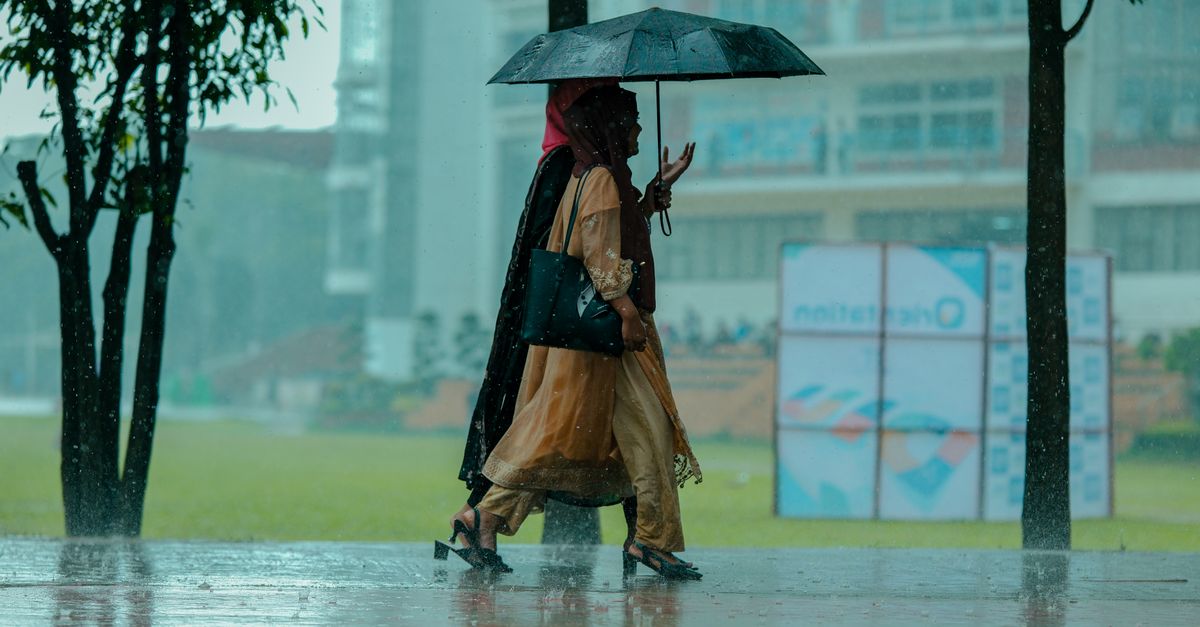
Monsoon Bids Adieu, Autumn Beckons Telangana
The vibrant green hues painted across Telangana by the receding monsoon rains are set to give way to the gentle, golden tones of autumn. As September progresses, the state is on the cusp of a significant seasonal transition, moving from the heavy downpours of the southwest monsoon to the crisp, pleasant weather characteristic of the post-monsoon period.
This annual shift, while a natural progression, brings with it a cascade of changes impacting everything from agricultural cycles and water resource management to daily routines and the local ecosystem. For residents of Hyderabad and the districts of north Telangana, this period marks a welcome respite from humidity and a prelude to cooler days ahead.
The Science Behind the Seasonal Shift
The Indian subcontinent's weather patterns are largely dictated by the monsoon cycle. The southwest monsoon, which typically arrives around June and retreats by September, is responsible for the bulk of the annual rainfall in Telangana. As this system weakens and moves northwards, the atmospheric conditions over the state begin to change.
The retreating monsoon is characterized by a gradual decrease in rainfall intensity and frequency. Skies begin to clear, humidity levels drop, and temperatures start to moderate. This transition period, often extending into October, is crucial for the state's agrarian economy, allowing for the sowing and growth of certain winter crops.
Hyderabad: From Humid to Pleasant
For the bustling metropolis of Hyderabad, the end of the monsoon signifies a welcome change from the often-sticky humidity. The city, which receives a substantial amount of its annual rainfall during the monsoon months, will soon experience clearer skies and milder temperatures. This shift is particularly noticeable in the mornings and evenings, offering a more comfortable climate for outdoor activities and daily commutes.
While the heavy rains subside, occasional light showers might still occur as the monsoon fully withdraws. However, these are typically short-lived and do not disrupt normal life. The city's parks and green spaces, having been replenished by the rains, will retain their lushness, offering a pleasant backdrop for the upcoming festive season.
North Telangana: Agriculture and Water Outlook
The districts of north Telangana, including areas like Adilabad, Nizamabad, Karimnagar, and Warangal, are heavily reliant on monsoon rains for their agricultural output. The successful withdrawal of the monsoon is critical for farmers to assess the water availability in reservoirs and soil moisture levels.
As the monsoon recedes, farmers can begin planning for the Rabi (winter) cropping season. This period is ideal for cultivating crops like pulses, oilseeds, and certain varieties of vegetables that thrive in cooler, drier conditions. The water stored in irrigation projects like the Kaleshwaram Lift Irrigation Scheme and various medium and minor irrigation projects becomes vital for supporting these winter crops.
The focus now shifts from flood management to water conservation. Authorities will be monitoring reservoir levels closely to ensure adequate water supply for both irrigation and drinking water needs throughout the dry months. The receding waters also reveal areas that might have been submerged, offering opportunities for infrastructure maintenance or assessment.
Impact on Daily Life and Environment
The seasonal change brings subtle yet significant alterations to daily life. With reduced rainfall, the risk of waterlogging and traffic disruptions in urban areas like Hyderabad diminishes. The clearer skies also mean more sunshine, contributing to a gradual increase in diurnal temperature variation – warmer days and cooler nights.
Ecologically, the post-monsoon period is a time of recovery and preparation for the dry spell. Rivers and streams, which might have been in spate, begin to recede. The flora and fauna adapt to the changing conditions. Migratory birds may start arriving in wetlands as conditions become more favorable.
For the general public, this is often considered the most pleasant time of the year in Telangana, offering a comfortable climate for festivals, outdoor events, and travel.
Looking Ahead: The Road to Winter
As Telangana smoothly transitions from the monsoon to autumn, the focus will gradually shift towards the approaching winter. While true winter chill is typically felt in December and January, the post-monsoon months lay the groundwork for this cooler period. Residents can look forward to a season characterized by pleasant weather, a flourishing agricultural landscape, and a renewed sense of normalcy after the monsoon's intensity.
The state government and local authorities will continue to monitor weather patterns and water resources, ensuring that the transition is managed effectively, benefiting both the agricultural sector and the general populace. The clear skies and moderate temperatures signal a period of calm and productivity across Telangana.