





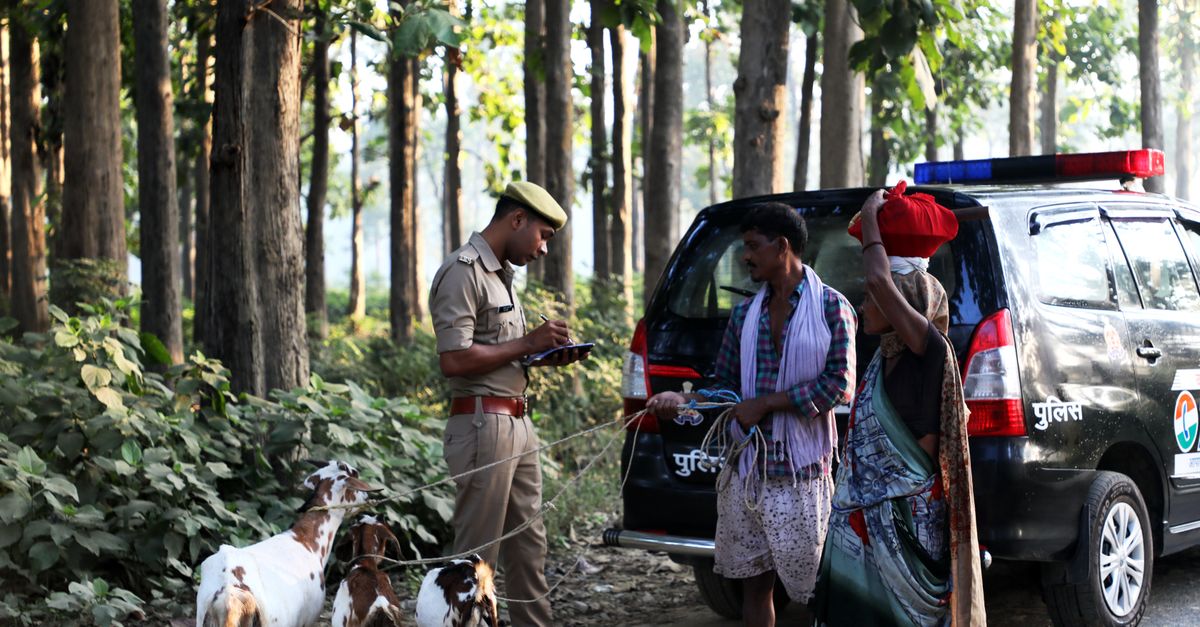
Telangana Police Bolster Animal Welfare Efforts: From Hyderabad to Districts, Aiding Rescues and Enforcement
In a significant shift that reflects a growing societal concern for animal well-being, the Telangana Police force is increasingly taking on a proactive role in animal welfare. Moving beyond their conventional duties of maintaining law and order, police personnel across the state, from the bustling streets of Hyderabad to the quieter corners of North Telangana districts, are now actively involved in rescuing distressed animals, enforcing anti-cruelty laws, and raising public awareness. This expanded mandate aligns with national directives and local community expectations, marking a crucial step towards a more compassionate society for all living beings.
The integration of animal welfare into police duties is not merely a humanitarian gesture; it's a practical necessity. Incidents of animal cruelty, neglect, and road accidents involving animals are unfortunately common. In many situations, the police are often the first responders, equipped with the authority and infrastructure to intervene effectively. This commitment from the 'पोलिस' (police) is a welcome development, providing a much-needed layer of protection for vulnerable animals.
Beyond Law and Order: A New Mandate for Public Service
Traditionally, police forces globally have focused on human-centric crime and public safety. However, with increasing awareness about animal rights and the interconnectedness of human and animal welfare, the scope of public service is broadening. In India, the Prevention of Cruelty to Animals Act, 1960, provides the legal framework for protecting animals. The enforcement of this act often falls to local authorities, with the police playing a pivotal role. Telangana's police department has recognized this and is actively training its personnel and sensitizing them to animal-related issues.
This new mandate emphasizes that animal welfare is not a niche concern but an integral part of community well-being. Reports from various districts indicate that police stations are now more responsive to calls concerning injured strays, abandoned pets, or cases of deliberate cruelty. This proactive stance helps in preventing escalation of cruelty and ensures that animals receive timely care and protection.
Hyderabad's Frontline Efforts: A Model for Urban Animal Rescue
As the capital city, Hyderabad often faces a higher density of human-animal interactions, leading to more incidents requiring intervention. The Hyderabad City Police, in collaboration with local animal welfare organizations and volunteers, has been at the forefront of these efforts. From rescuing dogs trapped in open manholes to rehabilitating injured birds and livestock, their teams are often seen responding to distress calls. These operations, sometimes complex and requiring specialized equipment, highlight the dedication of individual officers and the department's growing capacity.
Recent instances have seen police personnel working alongside veterinary teams to save animals caught in difficult situations, such as cows stuck in drains or dogs injured in hit-and-run incidents. The immediate response from the police often makes the difference between life and death for these animals. Furthermore, the city police have also been instrumental in prosecuting individuals involved in illegal animal fights or neglect, sending a strong message against animal cruelty.
Reaching North Telangana Districts: Challenges and Successes
While urban centers like Hyderabad have more resources and awareness, the efforts extend to North Telangana districts as well. Areas like Karimnagar, Warangal, Nizamabad, and Adilabad, with their mix of rural and semi-urban populations, present unique challenges. Here, police involvement often includes addressing issues related to livestock welfare, preventing illegal wildlife trade (though less frequent than in other states, vigilance is key), and responding to cases of cruelty against farm animals or strays in villages.
The police in these districts often act as a bridge between distressed animals and local veterinary services or animal shelters, which might be fewer and farther between. Their presence and authority are crucial in educating villagers about humane treatment of animals and discouraging practices that lead to cruelty. Community policing initiatives, where local police engage with panchayats and community leaders, are proving effective in fostering a culture of care for animals in these regions.
Enforcing Animal Cruelty Laws: A Deterrent to Inhumanity
The Prevention of Cruelty to Animals Act, 1960, criminalizes various forms of animal abuse. However, effective enforcement requires active participation from law enforcement agencies. Telangana Police are increasingly taking these laws seriously, registering First Information Reports (FIRs) against offenders and ensuring that investigations are carried out. This includes cases of animal abandonment, physical abuse, neglect, and even the use of animals for illegal purposes like begging or entertainment without proper permits.
The increased focus on enforcement serves as a significant deterrent. When offenders realize that their actions will lead to legal consequences, it helps in curbing cruelty. Animal welfare activists frequently laud the police for their willingness to act on complaints, which was not always the case in the past. This shift signifies a positive change in how animal welfare is perceived within the legal and enforcement framework of the state.
Community Collaboration and Awareness: The Key to Sustainable Welfare
No single agency can tackle the vast challenges of animal welfare alone. The Telangana Police understand the importance of collaboration with local animal welfare organizations, NGOs, and concerned citizens. Many rescue operations are joint efforts, combining the police's logistical support and legal authority with the specialized knowledge and resources of animal welfare groups.
Beyond direct intervention, the police are also participating in awareness campaigns. These initiatives aim to educate the public about responsible pet ownership, the importance of reporting animal cruelty, and the benefits of adopting stray animals. By engaging with schools, community centers, and local events, the police are helping to instill empathy and respect for animals from a young age. This community-centric approach is vital for building a sustainable animal welfare ecosystem across Telangana.
Challenges and the Path Forward
Despite these commendable efforts, challenges remain. Police personnel often lack specialized training in animal handling or veterinary first aid. Resource constraints, including dedicated vehicles for animal transport or animal-specific equipment, can also hinder swift responses. Furthermore, the sheer volume of calls and incidents can be overwhelming.
To overcome these hurdles, continuous training programs for police personnel are essential. Partnerships with veterinary colleges and animal hospitals can provide vital expertise. Public cooperation, through responsible pet ownership and prompt reporting of cruelty, is also paramount. As Telangana progresses, the continued strengthening of the police's role in animal welfare, coupled with robust community support, will be instrumental in ensuring a humane environment for all creatures.
Conclusion
The evolving role of the Telangana Police in animal welfare marks a significant and positive development for the state. Their active involvement in rescue operations, enforcement of anti-cruelty laws, and collaborative efforts with the community are transforming the landscape of animal protection. This commitment from the 'पोलिस' force underscores a broader societal awakening towards the ethical treatment of animals, paving the way for a more compassionate and harmonious coexistence between humans and the animal kingdom across Telangana.