






Kerala Embraces the 5G Era: A Deep Dive into Connectivity's Future
Kerala, often at the forefront of social and technological adoption in India, is currently experiencing a rapid and transformative rollout of 5G services. This next-generation wireless technology is not merely an upgrade; it represents a significant leap in telecommunications, promising to reshape how individuals connect, businesses operate, and public services are delivered across the state. From the bustling streets of Thiruvananthapuram and the commercial hub of Kochi to the quieter, yet increasingly connected, central Kerala towns like Kottayam and Thrissur, 5G is setting the stage for an unprecedented digital revolution.
The deployment of 5G infrastructure by major telecom operators like Reliance Jio and Bharti Airtel has been swift, making high-speed, low-latency connectivity a reality for millions. This expansion is critical for Kerala's vision of a truly digital society, impacting everything from smart city initiatives to empowering remote work and advanced e-learning. Understanding the scientific principles behind 5G and its potential societal ramifications is crucial for appreciating the scale of this technological shift.
The Science Behind 5G: A Leap in Wireless Communication
At its core, 5G is built upon several advanced scientific and engineering principles that distinguish it from its predecessors, particularly 4G LTE. The primary goal of 5G is to deliver significantly higher speeds (up to 10 Gbps), lower latency (down to 1 millisecond), and greater capacity, enabling a massive number of devices to connect simultaneously. This is achieved through a combination of innovative technologies:
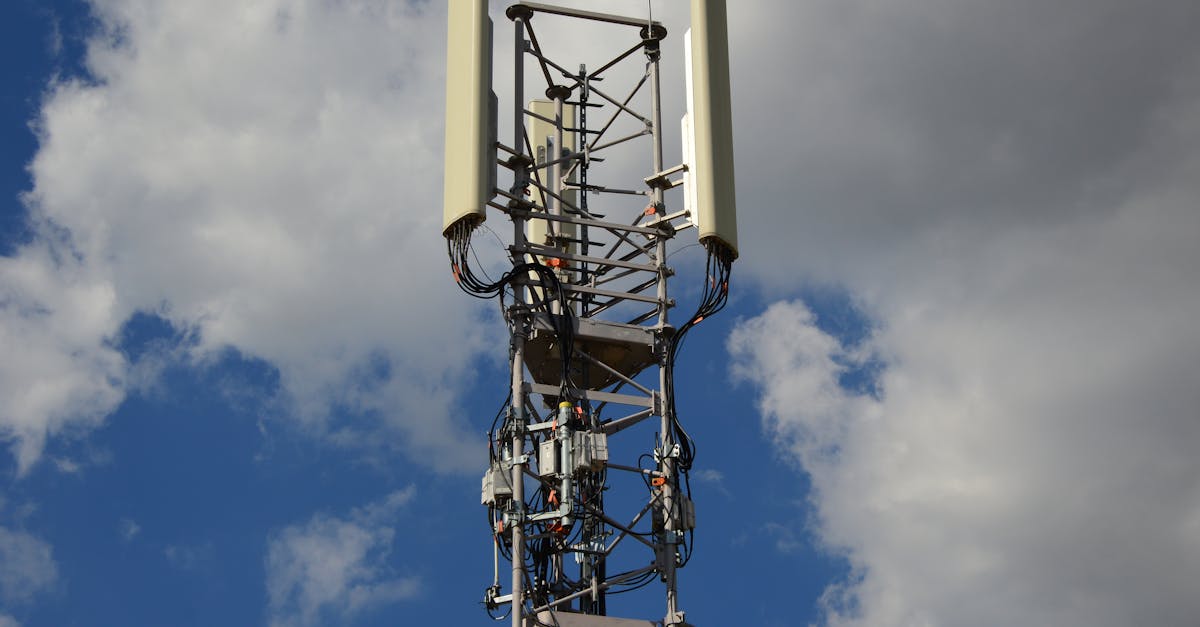
- Millimeter Wave (mmWave) Technology: Unlike 4G, which primarily uses sub-6 GHz frequencies, 5G extensively utilizes higher frequency bands, known as millimeter waves. These frequencies (e.g., 24 GHz to 100 GHz) can carry vast amounts of data at extremely high speeds. However, they have a shorter range and are more susceptible to obstruction, necessitating a denser network of smaller cell sites.
- Massive MIMO (Multiple-Input, Multiple-Output): This technology employs a large number of antennas at the base station to send and receive data simultaneously to multiple users. By using advanced signal processing, Massive MIMO improves spectral efficiency and overall network capacity, allowing more devices to connect without performance degradation.
- Beamforming: Instead of broadcasting signals in all directions, beamforming directs a focused beam of radio waves towards a specific user device. This increases signal strength and reduces interference, enhancing both speed and reliability, especially in crowded urban environments.
- Network Slicing: This is a key software-defined networking (SDN) feature that allows operators to create multiple virtual networks on a single physical 5G infrastructure. Each 'slice' can be customized to meet the specific requirements of different applications, such as ultra-reliable low-latency communication (URLLC) for autonomous vehicles or enhanced mobile broadband (eMBB) for streaming high-definition content.
- Edge Computing: 5G networks are designed to work seamlessly with edge computing, where data processing occurs closer to the source of data generation (e.g., a smart factory or a local data center) rather than a distant cloud server. This drastically reduces latency and improves real-time application performance.
These scientific advancements collectively enable 5G to deliver its promise of a truly connected world, paving the way for applications previously deemed impossible with older technologies.
Kerala's Digital Leap: Expanding 5G Footprint
The rollout of 5G in Kerala has been impressively swift. Major cities like Thiruvananthapuram, Kochi, Kozhikode, and Thrissur were among the first to receive 5G services, with operators like Jio and Airtel rapidly expanding their coverage. Jio, for instance, has announced extensive True 5G coverage across all district headquarters in Kerala, including smaller towns and rural areas, leveraging its standalone 5G architecture. Airtel has also made significant strides, bringing its 5G Plus services to key urban centers and gradually extending to other regions.
This rapid deployment is not just about urban centers. Central Kerala towns, known for their vibrant communities and educational institutions, are also experiencing the benefits. Places like Kottayam, Alappuzha, and Palakkad are seeing enhanced connectivity, which is crucial for their local economies and educational ecosystems. The availability of affordable 5G-enabled devices, including popular models like Realme 5G phones, has further accelerated adoption, allowing a broader segment of the population to access these advanced services.
Transformative Impact on Industries and Daily Life
The implications of 5G extend far beyond faster downloads. Its high speed and low latency are unlocking new possibilities across various sectors in Kerala:
- Healthcare: Telemedicine is set for a massive boost. Remote diagnostics, real-time monitoring of patients, and even remote-assisted surgeries could become more viable, especially benefiting patients in rural areas who lack immediate access to specialist care. Hospitals in Thiruvananthapuram and Kochi can leverage 5G for advanced medical imaging and data transfer.
- Education: E-learning platforms can deliver immersive experiences with augmented reality (AR) and virtual reality (VR) content without buffering. Remote classrooms, especially in central Kerala, can access high-quality educational resources, narrowing the digital divide in learning opportunities.
- Agriculture: Precision farming, utilizing IoT sensors and drones for crop monitoring, irrigation management, and pest control, can become more efficient and widespread. Farmers in regions like Palakkad could benefit from real-time data analytics to optimize yields.
- Smart Cities: Thiruvananthapuram's smart city initiatives can be greatly enhanced by 5G, enabling real-time traffic management, smart street lighting, efficient waste management, and improved public safety through connected surveillance systems.
- Tourism and Hospitality: Kerala's robust tourism sector can leverage 5G for enhanced visitor experiences, from AR-guided tours to seamless connectivity for tourists and digital marketing initiatives.
Addressing the Digital Divide and Ensuring Equitable Access
While the rollout is impressive, ensuring equitable access to 5G across all segments of society, particularly in remote villages and economically weaker sections, remains a critical challenge. The cost of 5G-enabled smartphones and data plans, though becoming more affordable, can still be a barrier. Government initiatives, in collaboration with telecom providers, are crucial to bridge this digital divide. Efforts to expand fiber backhaul infrastructure to support the dense 5G network and promote digital literacy are also vital.
For central Kerala towns and rural areas, 5G promises to unlock new economic opportunities by facilitating remote work, enabling local businesses to access global markets, and improving access to government services through e-governance platforms. The focus must be on making 5G not just available, but also accessible and affordable for all.
The Future of Connectivity: Beyond 5G
As 5G becomes mainstream, the scientific community and industry players are already looking towards 6G. Research into even higher frequency bands, AI-driven network management, and holographic communication is underway. India, with its vast consumer base and growing technological prowess, is poised to play a significant role in shaping the future of global telecommunications. The lessons learned from the 5G rollout in states like Kerala will be invaluable in this journey.
Conclusion
Kerala's embrace of 5G technology marks a pivotal moment in its digital evolution. By leveraging advanced scientific principles, 5G is not just delivering faster internet; it is creating a foundation for smart infrastructure, innovative services, and enhanced quality of life. As the network continues to expand, its transformative impact will be felt across every facet of society, solidifying Kerala's position as a digitally empowered state within the larger Digital India vision.