




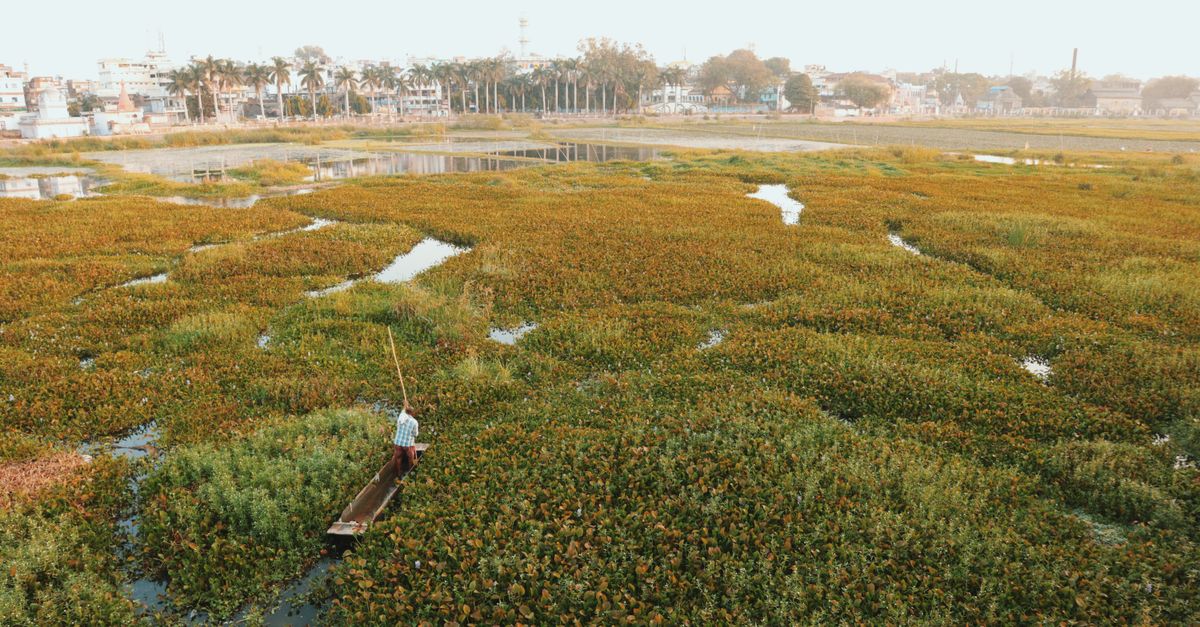
Rudrasagar Lake: Tripura's Natural Heritage Jewel Facing Conservation Challenges
Tripura, a landlocked state in Northeast India, is often celebrated for its rich cultural tapestry and historical sites. However, beneath its vibrant traditions lies a treasure trove of natural heritage, none more prominent than Rudrasagar Lake. Located in the Sepahijala district, approximately 53 kilometers from the state capital Agartala, this expansive wetland is not just a scenic marvel but a critical ecosystem, recognized internationally as a Ramsar site. Its unique blend of natural beauty and ecological significance makes it a cornerstone of Tripura's environmental legacy, though it faces increasing pressures that demand urgent attention.
A Ramsar Site of International Importance
Rudrasagar Lake earned its prestigious status as a Ramsar site in 2005, a designation given to wetlands of international importance under the Ramsar Convention. This recognition underscores its immense ecological value, particularly as a habitat for diverse flora and fauna. The lake is a perennial freshwater depression, fed by three perennial streams – Durlavnarayan, Gumati, and Kunjabhana – and drains into the River Gomati via a canal. Its shallow waters and marshy fringes create an ideal environment for a wide array of aquatic plants, migratory birds, and local wildlife.
During the winter months, Rudrasagar transforms into a bustling avian paradise, attracting numerous species of migratory birds from colder regions. Ducks, geese, waders, and various raptors find refuge here, making it a crucial stopover and breeding ground. This avian diversity not only enriches the lake's ecosystem but also offers tremendous potential for birdwatching and ecotourism, drawing nature enthusiasts and researchers alike to this serene corner of Tripura.
The Iconic Neermahal: A Palace Amidst Nature
Adding to Rudrasagar Lake's allure is the magnificent Neermahal, the 'Water Palace' of Tripura. Built by Maharaja Bir Bikram Kishore Manikya Bahadur in the early 20th century, this stunning architectural marvel stands proudly in the middle of the lake. Neermahal is not merely a historical monument; it symbolizes the intrinsic connection between human heritage and natural surroundings. The palace's presence further elevates Rudrasagar Lake's status, making it a unique example where cultural grandeur is seamlessly integrated with a vibrant natural ecosystem. Visitors often take boat rides to reach the palace, offering them an immersive experience of the lake's beauty.
Challenges to Preservation: A Delicate Balance
Despite its international recognition and ecological importance, Rudrasagar Lake is grappling with several environmental challenges. The primary threats include:
- Siltation: Runoff from surrounding agricultural lands and deforestation in the catchment area leads to increased silt deposition, gradually reducing the lake's depth and altering its hydrological regime.
- Encroachment: Human settlements and agricultural expansion around the lake's periphery are encroaching upon its wetlands, shrinking the habitat available for wildlife.
- Pollution: Untreated domestic waste and agricultural runoff containing pesticides and fertilizers contribute to water pollution, impacting water quality and aquatic life.
- Weed Infestation: Proliferation of invasive aquatic weeds can choke the lake's surface, reducing oxygen levels and disrupting the natural balance of the ecosystem.
- Climate Change: Changes in rainfall patterns and extreme weather events can further exacerbate these issues, affecting water levels and overall wetland health.
Conservation Efforts and the Way Forward
Recognizing the urgency, various stakeholders, including the state government, local communities, and environmental organizations, are undertaking efforts to conserve Rudrasagar Lake. Initiatives include:
- Dredging and Desiltation: Periodic efforts to remove accumulated silt and deepen critical areas of the lake.
- Catchment Area Treatment: Promoting afforestation and sustainable agricultural practices in the surrounding catchment to reduce soil erosion and runoff.
- Community Engagement: Educating local communities about the importance of the lake and involving them in conservation activities, fostering a sense of ownership.
- Waste Management: Implementing better waste management practices in nearby villages to prevent pollution.
- Ecotourism Promotion: Developing sustainable ecotourism models that provide economic benefits to locals while raising awareness about conservation.
The future of Rudrasagar Lake, a vital component of Tripura's natural heritage and a significant Ramsar site, hinges on the sustained and collaborative efforts of all involved. Preserving this unique wetland is not just about protecting a beautiful landscape; it's about safeguarding biodiversity, maintaining ecological balance, and ensuring that future generations can also marvel at the natural grandeur and historical significance of Neermahal amidst its watery abode. As Tripura continues its journey of development, balancing progress with the imperative of environmental conservation remains paramount, with Rudrasagar Lake serving as a crucial emblem of this delicate yet vital equilibrium.
