



Navigating Menstrual Health: A Focus on Hygiene for Women in Tripura
Menstruation is a natural biological process, yet ensuring proper menstrual hygiene remains a critical aspect of women's health, particularly in regions like Tripura. In areas around Agartala and extending to its border districts, access to information and resources plays a vital role in promoting well-being and preventing health complications. This guide offers practical advice tailored for women in Tripura, emphasizing the importance of hygiene during menstruation.
Why Menstrual Hygiene Matters in Tripura
For women and girls across Tripura, maintaining good menstrual hygiene is not just about comfort; it's a fundamental health necessity. Poor hygiene practices can lead to a range of infections, including urinary tract infections (UTIs), reproductive tract infections (RTIs), and in severe cases, infertility. The availability and affordability of sanitary products, coupled with adequate sanitation facilities, are key challenges that need continuous attention. Awareness programs are crucial to dispel myths and encourage healthy habits.
Choosing the Right Menstrual Products
Women in Tripura have several options for managing their periods. The most common are:
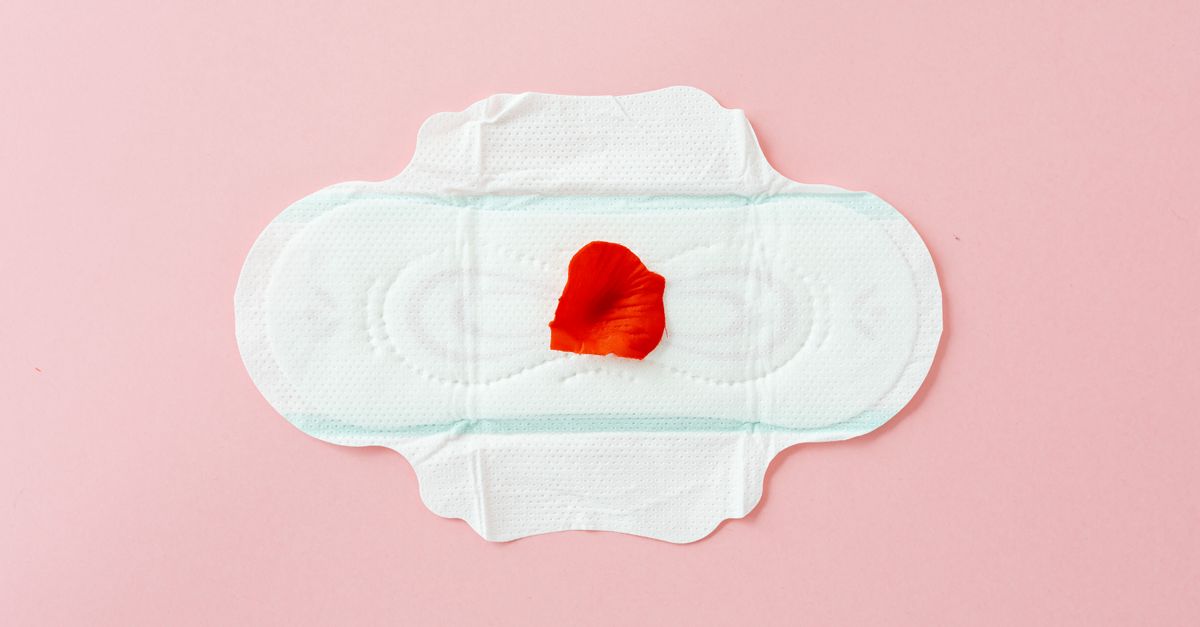
- Sanitary Pads: Readily available in most markets in Agartala and nearby towns. It's important to choose pads that are comfortable and suitable for heavy flow if needed. Changing pads every 4-6 hours or as soon as they are soiled is crucial to prevent infections.
- Cloth Pads: A cost-effective and eco-friendly option. If using cloth, ensure it is made of soft cotton, washed thoroughly with soap and water, dried completely in sunlight, and stored hygienically.
- Menstrual Cups: While gaining popularity, availability might be limited in smaller towns. They are reusable, safe, and can be worn for up to 12 hours, offering a convenient solution if properly managed.
Education on the proper use and disposal of these products is essential. For disposable pads, wrapping them securely before throwing them away in a dustbin is vital to prevent environmental contamination and spread of germs.
Maintaining Personal Hygiene During Periods
Beyond product choice, personal hygiene is paramount. Women in Tripura should focus on:
- Regular Cleaning: Washing the genital area with clean water at least twice a day is recommended. Avoid harsh soaps or antiseptic liquids, as they can disrupt the natural pH balance and cause irritation.
- Hand Hygiene: Always wash hands with soap and water before and after changing menstrual products. This simple step significantly reduces the risk of infection.
- Comfortable Clothing: Wearing loose-fitting cotton underwear and clothing allows the skin to breathe and reduces the risk of moisture buildup, which can lead to infections.
Addressing Challenges and Promoting Awareness
In many parts of Tripura, including rural areas and border districts, societal taboos and lack of awareness can hinder proper menstrual hygiene practices. Open conversations about menstruation in schools, communities, and families are vital. Government initiatives and NGO efforts play a significant role in distributing sanitary products and conducting health camps. Ensuring access to clean water and private toilets is also a critical component of effective menstrual hygiene management.
Conclusion: Empowering Women Through Health Awareness
Promoting menstrual hygiene is an ongoing process that requires a multi-faceted approach. By focusing on education, accessibility to safe products, and fostering open dialogue, women in Tripura can better manage their menstrual health, leading to improved overall well-being. Continued efforts in awareness and infrastructure development will be key to ensuring that every woman in the state has the knowledge and resources to maintain her health with dignity.
