



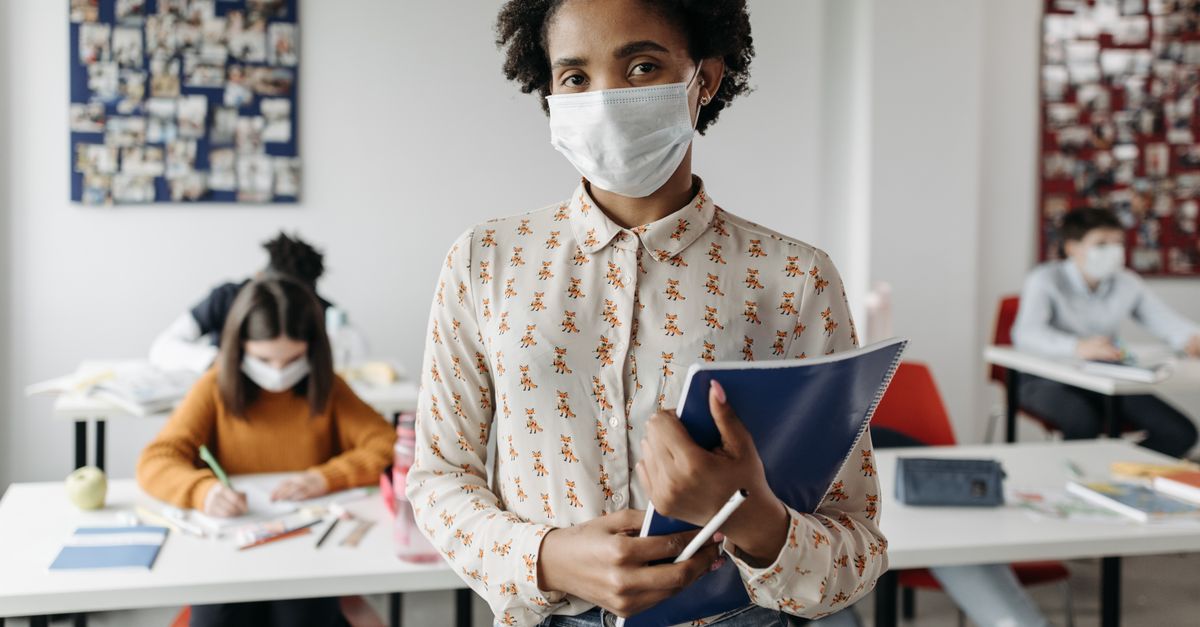
Kerala's Nipah Vigil: How Educational Institutions are Adapting for Student Safety and Academic Continuity
The recent Nipah virus scare in Kerala has once again brought public health to the forefront, particularly concerning the safety of our students and the smooth functioning of our academic institutions. While the state breathes a sigh of relief with no new cases reported following a confirmed infection in Kozhikode, the vigilance remains high. This development, though reassuring, prompts critical questions about how our education system prepares for and responds to such health challenges, ensuring both student well-being and uninterrupted learning.
For students, parents, and educators across Kerala, understanding the current situation and the proactive measures being taken is paramount. The experience with past health outbreaks, including previous Nipah episodes and the COVID-19 pandemic, has taught us the importance of swift, coordinated action, especially within crowded educational environments.
What Happened in Kerala: A Quick Overview
The latest Nipah virus concern emerged after a individual in Kozhikode tested positive for the infection. Health authorities in Kerala immediately sprang into action, implementing robust contact tracing and surveillance measures to contain any potential spread. The good news, as reported, is that there have been no new Nipah cases detected beyond the initial positive patient, who remains in critical condition. This indicates that the rapid response mechanisms are working effectively to prevent a wider outbreak.
However, the critical condition of the patient underscores the severity of the virus and the need for continued caution. Public health advisories have been issued, focusing on hygiene, avoiding contact with potentially infected animals (especially fruit bats), and reporting any suspicious symptoms promptly. The state machinery, including the health and education departments, is working in tandem to monitor the situation closely.
Why This Matters for Students and Schools
The presence of a highly infectious disease like Nipah, even if contained, has immediate and significant implications for the education sector. Schools, colleges, and coaching centers are hubs of activity, bringing together thousands of students and staff daily. In such environments, the risk of rapid transmission, if not managed properly, is a serious concern.
Historically, health emergencies have led to temporary closures of educational institutions, postponement of exams, and disruption to the academic calendar. This not only affects learning continuity but also creates anxiety and stress for students preparing for crucial examinations like board exams, entrance tests, and university assessments. The current situation in Kerala highlights the ongoing need for educational bodies to have robust contingency plans in place.
Key Impact: The primary concern for educational institutions during a health scare like Nipah is balancing student safety with academic continuity. This often involves rapid implementation of health protocols, communication strategies, and flexible academic planning to minimize disruption.
Proactive Steps by Educational Institutions
In response to the Nipah alert, educational institutions in affected and surrounding areas have been advised to implement various preventive measures. These steps are crucial for creating a safer learning environment and reassuring the community:
- Enhanced Hygiene Protocols: Schools and colleges are emphasizing frequent handwashing, sanitization of premises, and maintaining cleanliness in common areas like classrooms, washrooms, and cafeterias.
- Awareness Campaigns: Educational institutions are playing a vital role in disseminating accurate information about Nipah virus, its symptoms, prevention methods, and the importance of seeking medical attention early. This includes displaying posters, conducting awareness sessions, and utilizing digital platforms to reach students and parents.
- Monitoring Student Health: Teachers and staff are being sensitized to identify students exhibiting flu-like symptoms. Protocols are being established for immediate isolation and referral to health facilities if necessary.
- Coordination with Health Authorities: Educational bodies are working closely with local health departments to stay updated on advisories, implement guidelines, and participate in surveillance efforts.
- Flexible Attendance Policies: In some cases, institutions might consider flexible attendance policies for students who are unwell or live in high-risk zones, to prevent potential spread.
Navigating Exams and Academic Schedules
One of the most pressing concerns for students and parents during such health advisories is the potential impact on exam schedules and the academic calendar. While no widespread postponements have been announced yet, the situation remains dynamic. Students preparing for competitive exams, university admissions, or school-leaving examinations are particularly anxious.
It is crucial for students and parents to rely only on official announcements from their respective educational boards, universities, or the state education department. Rumors and unverified information can cause unnecessary panic. Institutions are generally prepared to make necessary adjustments to schedules, prioritizing student health while striving to minimize long-term academic setbacks. This might include:
- Temporary shifts to online learning models if extensive closures become necessary.
- Revised exam timetables with sufficient notice.
- Clear communication channels for updates on classes and assessments.
Education's Role in Public Health Preparedness
Beyond immediate responses, the Nipah situation underscores the long-term importance of integrating public health education into our curriculum. Schools and colleges are not just places for academic learning but also crucial platforms for building health literacy and community resilience. By educating students about infectious diseases, hygiene practices, and the role of public health, we empower the next generation to be informed and responsible citizens.
This includes teaching about topics like:
- Basic epidemiology and disease transmission.
- The importance of vaccinations and preventive health.
- Understanding local health risks and environmental factors.
- Critical thinking skills to evaluate health information from various sources.
Such education can help reduce panic during outbreaks and foster a proactive approach to community health.
Staying Safe and Informed: A Student's Guide
For students and parents in Kerala, staying informed and taking practical precautions are key during this period of heightened vigilance:
- Follow Official Advisories: Always refer to announcements from the Kerala Health Department, state education department, and your specific school or college for accurate information.
- Practice Good Hygiene: Wash hands frequently with soap and water, especially after coughing, sneezing, or visiting public places.
- Avoid Crowded Places if Unwell: If you or your child exhibits flu-like symptoms, avoid school or public gatherings and seek medical advice promptly.
- Maintain Distance: Practice social distancing where possible, especially in crowded classrooms or common areas.
- Be Aware of Symptoms: Know the symptoms of Nipah virus (fever, headache, dizziness, drowsiness, respiratory illness, encephalitis) and do not hesitate to consult a doctor if you experience them.
- Support Each Other: Foster a supportive environment where students feel comfortable reporting illness without fear of stigma.
What Comes Next: Continued Vigilance
As Kerala continues its vigil against Nipah, the focus will remain on monitoring the critical patient, tracking contacts, and preventing any further spread. For the education sector, this means maintaining the implemented safety protocols, staying agile in academic planning, and continuing to educate the community. The swift response and the absence of new cases are encouraging, but sustained vigilance from all sectors, especially education, will be crucial in ensuring the safety and well-being of everyone.
The lessons learned from this and previous health challenges will undoubtedly strengthen our collective ability to safeguard public health while ensuring that the pursuit of education continues with minimal disruption.