





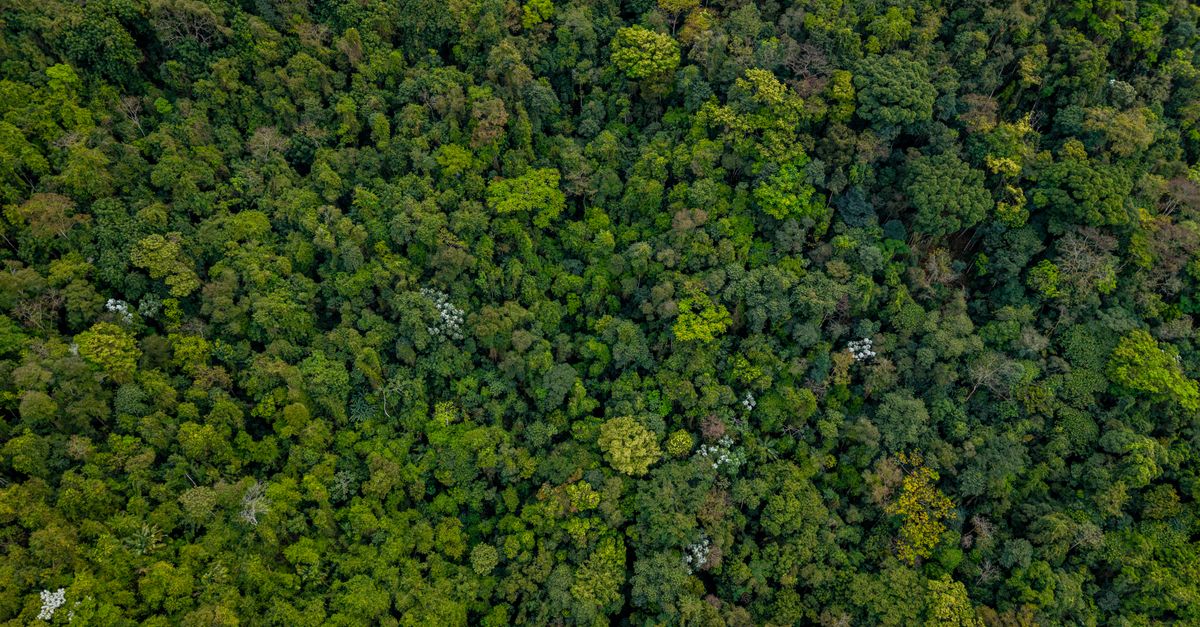
Meghalaya's Sacred Groves: Natural Sanctuaries of Forest Conservation
Nestled in the northeastern hills of India, Meghalaya is renowned for its lush landscapes, abundant rainfall, and unique cultural heritage. Beyond its picturesque beauty, the state harbors an ancient and effective system of forest conservation: the sacred groves. These patches of pristine forest, protected for centuries by religious beliefs and community traditions, play a pivotal role in maintaining the region's ecological balance and safeguarding its rich biodiversity. From the hills surrounding Shillong to the serene plateau towns, these groves stand as living testaments to sustainable environmental practices.
The Significance of Sacred Groves
Sacred groves, known locally by various names such as 'Law Kyntang' or 'Law Lyngdoh' among the Khasi and Jaintia communities, are areas of forest or woodland that are considered holy and are therefore protected from logging, hunting, and human interference. These groves are typically dedicated to village deities or ancestral spirits, and their sanctity ensures that the flora and fauna within them remain largely undisturbed. This traditional practice has, over generations, created pockets of high biodiversity, often harboring species that are rare or endangered elsewhere.
The ecological importance of these groves cannot be overstated. They act as vital gene pools, preserving native plant species, including medicinal herbs, and providing sanctuary for a diverse array of wildlife. Their dense canopy helps in soil conservation, prevents erosion, and plays a crucial role in regulating water cycles, especially vital in a state that receives some of the highest rainfall in the world. The presence of these undisturbed ecosystems also contributes to the overall health of the surrounding environment, acting as natural buffers against climate change impacts.
Guardians of Biodiversity Near Shillong
The areas around Shillong, the capital of Meghalaya, are dotted with several sacred groves that continue to thrive. These groves, often located on the outskirts of villages or on community lands, serve as critical green lungs for the region. Despite increasing urbanization and developmental pressures, the reverence for these sacred spaces has helped maintain their ecological integrity. Local communities, guided by traditional village councils and elders, actively manage and protect these forests, ensuring that the sanctity of the groves is upheld.
These groves near Shillong are not just static patches of trees; they are dynamic ecosystems teeming with life. They provide habitat for numerous bird species, small mammals, reptiles, and a rich variety of insects. The undergrowth is often dense with ferns, mosses, and flowering plants, contributing to a complex food web. The biodiversity within these groves is often higher than in surrounding managed or degraded forests, highlighting the effectiveness of traditional conservation methods.
Conservation in Meghalaya's Plateau Towns
Beyond the immediate vicinity of Shillong, the plateau towns and rural areas of Meghalaya also host significant sacred groves. Towns like Cherrapunji and Mawsynram, famous for their rainfall, also have these sacred forests that contribute to their unique environmental character. The communities in these areas continue to rely on these groves not only for ecological benefits but also for cultural and spiritual sustenance.
The management of these groves in plateau towns often involves strict community rules. Entry might be restricted, and activities like grazing or fuelwood collection are prohibited. In some cases, specific plants or animals within the grove are considered sacred and are never to be harmed. This deep-rooted respect for nature, embedded in their cultural fabric, has ensured the survival of these forests for centuries. These practices offer valuable lessons for modern conservation efforts, demonstrating how indigenous knowledge and community participation can lead to highly effective biodiversity preservation.
Challenges and the Future of Sacred Groves
Despite their importance, Meghalaya's sacred groves face modern challenges. Increasing population pressure, changing land-use patterns, and the influence of external economic forces can sometimes strain traditional conservation systems. Younger generations may not always share the same level of reverence for these groves, leading to potential neglect or encroachment. Furthermore, the legal recognition and support for these traditional conservation areas can be inconsistent.
However, there is a growing recognition of the invaluable role these sacred groves play in Meghalaya's environmental security and India's broader conservation goals. Efforts are underway by local communities, NGOs, and government agencies to document, protect, and promote these traditional forests. Awareness campaigns, eco-tourism initiatives that respect the sanctity of the groves, and the integration of traditional knowledge into modern conservation policies are crucial steps. By understanding and supporting these ancient practices, we can ensure that Meghalaya's sacred groves continue to thrive as vital sanctuaries of forest conservation and biodiversity for generations to come.
