




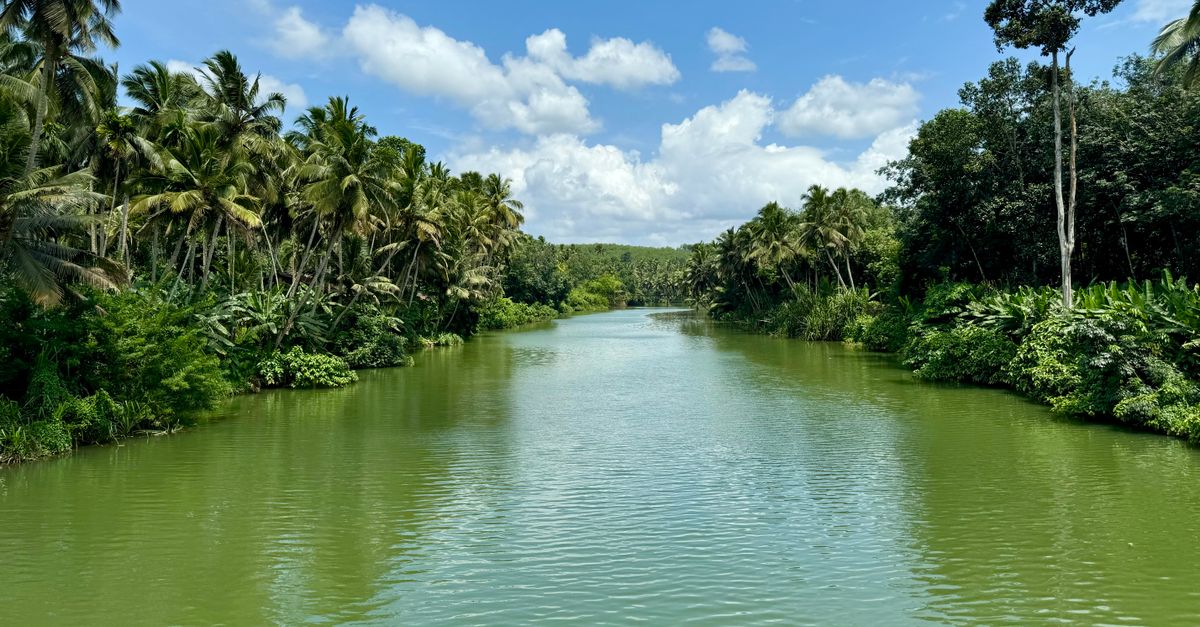
Kerala Ramps Up Wetland Conservation: Safeguarding Biodiversity Amidst Urban Expansion in Thiruvananthapuram
Kerala, often dubbed 'God's Own Country', is globally renowned for its verdant landscapes and unparalleled biodiversity. A critical component of this natural heritage is its extensive network of wetlands, which serve as crucial habitats for countless species and play an indispensable role in the state's ecological balance. However, these fragile ecosystems are increasingly under threat, particularly around rapidly urbanizing areas like Thiruvananthapuram. Recent renewed focus from state authorities and environmental groups highlights an intensified push to safeguard these biodiversity hotspots against the encroaching tide of development.
The urgent need for robust conservation strategies has never been more apparent. As cities expand and infrastructure projects proliferate, the delicate balance of wetland ecosystems is disturbed, leading to habitat loss, pollution, and a decline in the unique flora and fauna that call these areas home. This renewed commitment by Kerala underscores a critical understanding: protecting wetlands is not merely an environmental imperative but a cornerstone of sustainable development and the well-being of its communities.
The Priceless Biodiversity of Kerala's Wetlands
Kerala's wetlands are biological treasures, acting as vital links in the state's complex ecological tapestry. From the vast backwater systems to the smaller, localized ponds and marshes, these areas perform essential ecological services. They act as natural filters, purifying water, and as sponges, mitigating floods during heavy monsoons. Furthermore, they play a crucial role in carbon sequestration, helping to regulate local climate.
Ecologically, these wetlands are vibrant hubs of life. They are home to a remarkable array of biodiversity, including numerous species of migratory birds that visit annually, endemic freshwater fish, amphibians, reptiles, and a diverse range of aquatic plants. Many of these species are found nowhere else, making their conservation particularly critical. For instance, the unique fish species found in the rivers flowing from the Western Ghats often find their way into these wetland systems, making them critical nurseries and breeding grounds. The health of these wetlands directly impacts the larger biodiversity of the region, including the marine life in the Arabian Sea, as many species depend on these freshwater systems for parts of their life cycle.
Urbanization's Shadow: Threats to Thiruvananthapuram's Wetlands
The capital city of Thiruvananthapuram, while experiencing rapid growth and development, faces a significant challenge in preserving its natural wetlands. Systems like the Akkulam-Veli lake, once pristine and teeming with life, now grapple with the pressures of urban expansion. Land reclamation for construction, unchecked waste dumping from domestic and commercial sources, and pollution from untreated sewage are some of the primary threats. These activities lead to a severe degradation of water quality, loss of habitat, and the proliferation of invasive alien species that outcompete native flora and fauna.
The encroachment on wetland areas not only diminishes biodiversity but also has tangible impacts on local communities. Traditional fishing livelihoods are threatened, and the natural flood mitigation capacity of these wetlands is compromised, leaving urban areas more vulnerable to waterlogging during heavy rains. The urgency of addressing these issues in Thiruvananthapuram is paramount, as the city's future resilience and ecological health depend on the sustainable management of these critical natural assets.
State Initiatives and Community-Led Conservation
Recognizing the gravity of the situation, the Kerala government has reiterated its commitment to wetland conservation. Key legislative frameworks, such as the Kerala Conservation of Paddy Land and Wetland Act, 2008, provide a legal basis for protection, although their implementation faces ongoing challenges. There's a renewed emphasis on strengthening these laws and ensuring stricter enforcement against illegal encroachment and pollution.
Beyond legislation, local self-governments are being encouraged to play a more active role in identifying, mapping, and protecting local wetland bodies. Community engagement is also proving vital, with numerous environmental organizations and local groups initiating awareness campaigns, clean-up drives, and restoration projects. The concept of 'People's Biodiversity Registers' (PBRs), maintained at the local body level, is gaining traction, empowering communities to document their local biodiversity and participate directly in conservation efforts. These grassroots initiatives are crucial in fostering a sense of ownership and responsibility among the populace.
Extending the Green Net: Central Kerala's Wetland Challenges
While Thiruvananthapuram serves as a focal point, the challenges and conservation efforts extend across the state, particularly to central Kerala. Regions like Alappuzha, home to the vast Kuttanad wetlands, and Thrissur, with its unique Kole wetlands, face similar, if not intensified, threats. Agricultural runoff laden with pesticides and fertilizers, rampant sand mining, and the insidious impacts of climate change, such as increased salinity intrusion into freshwater systems, pose significant risks to these interconnected wetland systems.
The Kuttanad region, a rice bowl lying below sea level, is particularly vulnerable to ecological shifts, impacting both its unique biodiversity and the livelihoods of thousands of farmers and fishers. A cohesive, state-wide strategy that considers the interconnectedness of these wetland systems, from the high ranges to the coastal plains, is essential for effective conservation. This includes integrated water resource management, promotion of sustainable agricultural practices, and robust climate change adaptation measures.
A Sustainable Future for Kerala's Natural Heritage
The intensified focus on wetland conservation in Kerala, especially around its capital, is a welcome and necessary step towards safeguarding the state's invaluable natural heritage. The battle to protect these vital ecosystems requires a multi-pronged approach: strong political will, effective policy implementation, scientific research, and active community participation. Preserving these wetlands is not just about protecting a few species; it's about ensuring water security, mitigating climate impacts, and sustaining the cultural and economic fabric of Kerala. As the state moves forward, a balanced approach that integrates development with ecological preservation will be key to ensuring that 'God's Own Country' remains a haven of biodiversity for generations to come.
