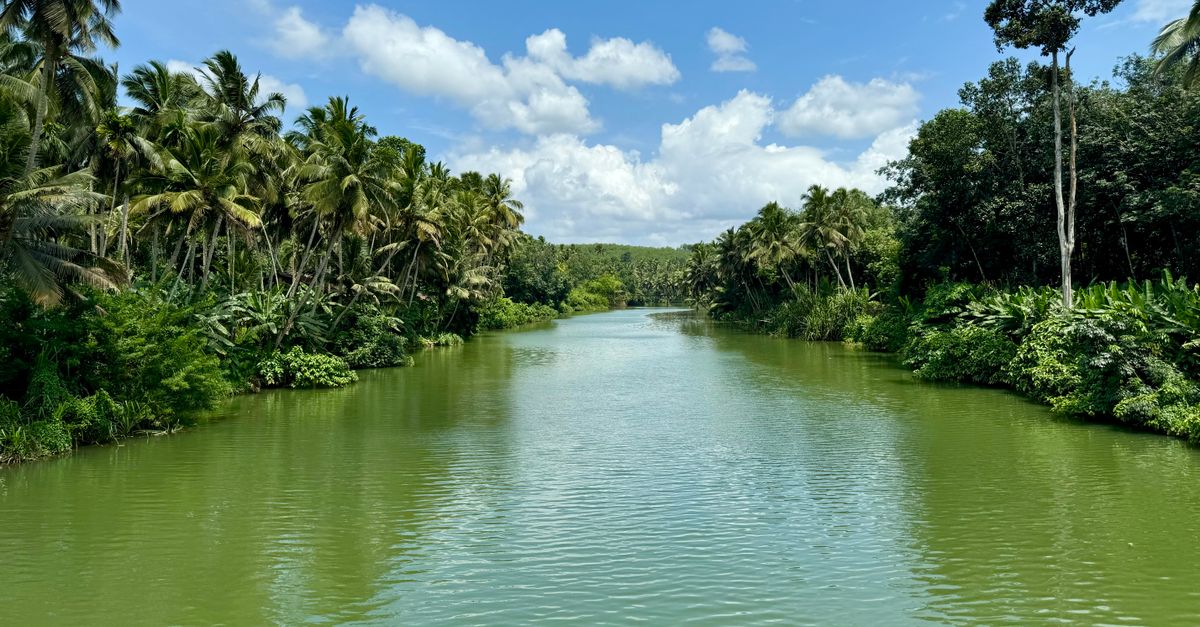




Kerala's Wild Landscapes Under Pressure: Navigating Human-Wildlife Conflict in Thiruvananthapuram and Beyond
Kerala, often lauded as 'God's Own Country' for its verdant landscapes and rich biodiversity, is increasingly grappling with a complex and growing challenge: human-wildlife conflict. This issue, which sees wild animals venturing into human settlements and agricultural lands, has escalated in recent times, leading to significant concerns for both local communities and the state's invaluable wild landscapes. From the administrative corridors of Thiruvananthapuram to the remote villages nestled on the fringes of forests in central Kerala, the debate over effective mitigation strategies is intensifying.
The state's unique geography, characterized by dense forests, sprawling plantations, and a high population density, creates an intricate interface where human and wild territories often overlap. This proximity, while a testament to Kerala's natural beauty, also fuels frequent encounters that can turn tragic. Farmers report crop destruction by wild boars and elephants, while residents live in constant fear of attacks from these animals, as well as leopards and other predators.
The Escalating Challenge: A Threat to Livelihoods and Safety
The past few months have witnessed a noticeable surge in reports of human-wildlife interactions across Kerala. Districts like Wayanad, Idukki, Palakkad, and parts of Kollam and Thiruvananthapuram, which border extensive forest areas, are particularly vulnerable. Wild boars, in particular, have become a major menace, destroying crops and posing a direct threat to human life. Elephant herds, driven by habitat fragmentation and a search for food and water, frequently raid agricultural fields, causing immense losses to farmers who depend on these lands for their sustenance.
Beyond agricultural damage, the threat to human life is a grave concern. Incidents of wild animal attacks, sometimes fatal, underscore the urgency of the situation. These encounters not only inflict physical harm but also create a pervasive sense of fear and anxiety among rural and semi-urban populations living near forest boundaries. The economic repercussions are profound, pushing many vulnerable families further into hardship.
Government's Response and Policy Dilemmas from Thiruvananthapuram
In response to the escalating crisis, the Kerala government, with its base in Thiruvananthapuram, has been actively exploring various measures. The state Forest Department, under intense public pressure, has initiated several rapid response strategies. One of the most debated proposals has been the permission for culling wild boars that pose a direct threat to human life or property. While this offers a degree of relief to affected communities, it also sparks discussions among conservationists about ethical considerations and potential ecological imbalances.
Other initiatives include enhancing compensation schemes for victims of wildlife attacks and crop damage, deploying rapid response teams to manage animal incursions, and improving forest patrolling. Discussions are ongoing within government circles to develop a more comprehensive and long-term policy framework. This includes seeking central government approval for certain measures, such as declaring specific animals as vermin in problematic areas, a move that requires careful consideration of its broader implications for wildlife conservation.
Community Voices and Local Impact in Central Kerala
The impact of human-wildlife conflict is most acutely felt by those living on the ground. In towns and villages across central Kerala, from Kottayam's rubber plantations bordering forests to the spice gardens of Idukki, residents share harrowing tales of confrontation. Farmers speak of sleepless nights spent guarding their fields, often resorting to rudimentary and sometimes dangerous methods to deter animals. The frustration is palpable, with many feeling that current measures are insufficient to address the scale of the problem.
Community leaders and local self-government bodies are playing a crucial role in bringing these concerns to the attention of state authorities. They advocate for more proactive measures, better early warning systems, and greater community involvement in wildlife management. The demand for effective and immediate solutions is a recurring theme in public meetings and local media reports, emphasizing the need for policies that are not only scientifically sound but also socially acceptable and practically implementable at the grassroots level.
Conservation vs. Coexistence: A Balancing Act for Wild Landscapes
The challenge of human-wildlife conflict in Kerala is not merely about managing problematic animals; it's fundamentally about finding a sustainable balance between human development and wildlife conservation. Kerala's wild landscapes are critical biodiversity hotspots, home to numerous endemic and endangered species. Indiscriminate actions against wildlife could have severe ecological consequences, disrupting delicate ecosystems and leading to unforeseen environmental impacts.
Conservationists emphasize the importance of addressing the root causes of conflict, such as habitat fragmentation, degradation of forest ecosystems, and depletion of food sources within protected areas. Expanding human settlements and agricultural activities into forest fringes shrink available wildlife habitats, forcing animals into closer contact with humans. Therefore, any long-term solution must involve robust habitat restoration, scientific population management, and the creation of wildlife corridors to facilitate safe movement for animals.
Towards Sustainable Solutions: A Path Forward
Moving forward, a multi-faceted approach is essential to mitigate human-wildlife conflict in Kerala. This includes:
- Enhanced Early Warning Systems: Implementing advanced technologies like remote sensing, camera traps, and community-based alert networks to provide timely information about animal movements.
- Habitat Management: Investing in forest regeneration, water source development within forests, and cultivation of fodder species to reduce animal incursions into human areas.
- Effective Deterrents: Promoting and subsidizing eco-friendly deterrents like solar fencing, bio-fencing, and sensory barriers, alongside traditional methods, to protect agricultural lands.
- Community Engagement: Empowering local communities with knowledge and resources for conflict mitigation, fostering a sense of shared responsibility for conservation.
- Rapid Response Teams: Strengthening and expanding the capabilities of forest department rapid response units with trained personnel and necessary equipment to manage conflict situations safely and humanely.
- Policy Review: Continuously reviewing and updating wildlife management policies based on scientific research and ground realities, ensuring a balance between human safety and conservation goals.
The journey towards harmonious coexistence between humans and wildlife in Kerala's wild landscapes is complex and demanding. It requires sustained political will from Thiruvananthapuram, scientific expertise, community participation, and a collective commitment to protecting both human lives and the invaluable natural heritage that defines 'God's Own Country'. Only through such concerted efforts can Kerala hope to preserve its unique biodiversity while ensuring the safety and prosperity of its people.