




Telangana Formation Day: Assessing the State's River Rejuvenation Journey, Musi River in Focus
As Telangana marks another significant milestone with its Formation Day, the occasion serves as a moment for reflection and forward-looking assessment across various sectors. Among the critical areas garnering attention is the state's ongoing commitment to environmental sustainability, particularly the ambitious drive to rejuvenate its vital river systems. While major rivers like the Godavari and Krishna form the lifeblood of the state's agricultural and drinking water needs, the plight of urban rivers, most notably the Musi River flowing through Hyderabad, presents a unique and pressing challenge.
The vision for a 'Golden Telangana' (Bangaru Telangana) articulated at the state's inception has always encompassed not just economic prosperity but also ecological health. Rivers, as the arteries of any land, are central to this vision. However, decades of unchecked urbanisation and industrial growth have taken a severe toll on many of these waterways, transforming some into open sewers, especially in metropolitan areas.
The Musi River: A Symbol of Urban Environmental Challenge
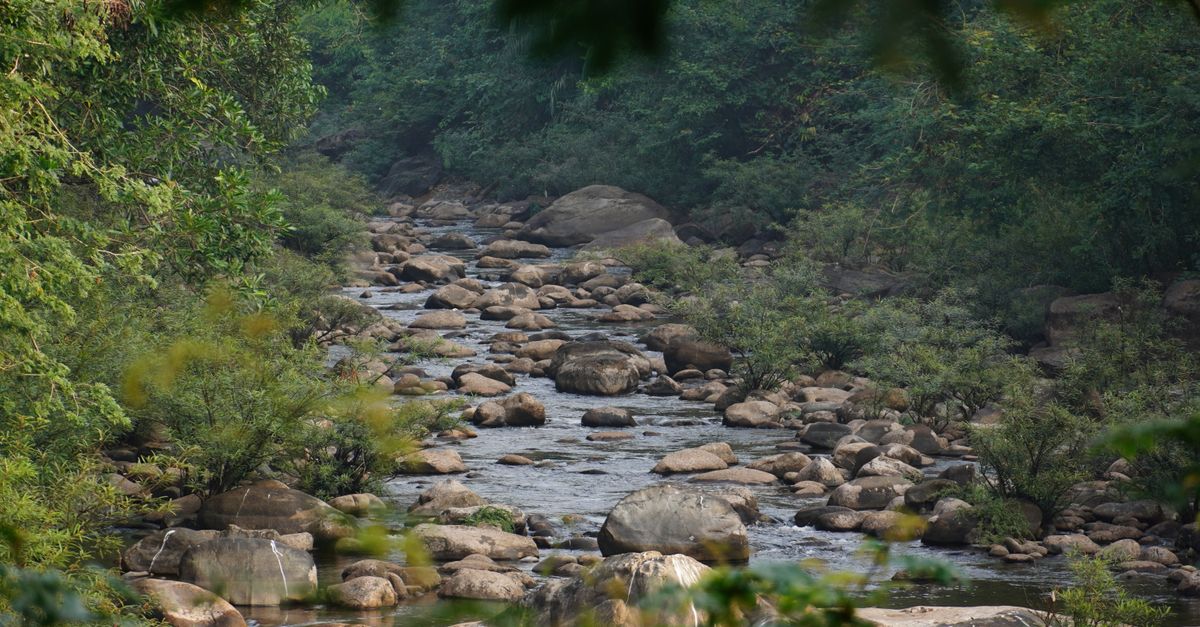
The Musi River, once a pristine tributary of the Krishna, historically defined Hyderabad's landscape and cultural identity. Today, it stands as a stark reminder of the environmental degradation accompanying rapid urban development. Flowing approximately 240 kilometres, with a significant stretch through the heart of Hyderabad, the Musi has long been synonymous with pollution, carrying untreated sewage and industrial effluents from the city and its surrounding areas. Its foul odour and dark waters have been a persistent public health and environmental concern for residents.
The contamination of the Musi is not merely an aesthetic issue; it poses serious threats to groundwater quality, biodiversity, and the health of communities living along its banks. The pollutants eventually flow into the Krishna River, impacting downstream ecosystems and populations as well.
Telangana's Multi-pronged Approach to Musi Rejuvenation
In recent years, the Telangana government has intensified its efforts to breathe new life into the Musi. The flagship initiative is the Musi Riverfront Development Project, an ambitious undertaking aimed at transforming the river into a vibrant economic and recreational corridor, while crucially addressing its pollution. This project is not just about beautification; it's fundamentally about ecological restoration and sustainable urban planning.
A core component of the rejuvenation strategy involves the interception, diversion, and treatment of sewage. The Hyderabad Metropolitan Water Supply and Sewerage Board (HMWSSB) has been instrumental in setting up numerous new Sewage Treatment Plants (STPs) across the Hyderabad Urban Agglomeration area. These STPs are designed to treat a substantial portion of the city's sewage before it enters the Musi, significantly reducing the pollutant load. The goal is to ensure that only treated water flows into the river, thereby improving its water quality.
Beyond sewage treatment, efforts also include preventing industrial discharge, removing encroachments along the river banks, and developing green spaces and recreational zones. The vision includes creating walking and cycling tracks, parks, and cultural spaces, akin to successful riverfront projects in other global cities. The state has allocated significant funds and resources, recognising that the Musi's revival is crucial for Hyderabad's future liveability and environmental health.
Broader River Management Across Telangana
While the Musi remains a critical urban focus, Telangana's river management strategy extends statewide. The state is strategically located in the basins of two major peninsular rivers: the Godavari and the Krishna. Water resource management from these rivers is paramount for irrigation, drinking water, and industrial needs.
Projects like Mission Bhagiratha, a pioneering drinking water project, have ensured safe tap water supply to every household in Telangana, largely drawing treated water from the Godavari and Krishna rivers. This indirectly contributes to river health by reducing reliance on potentially contaminated local sources and promoting sustainable water usage.
In districts across North Telangana, such as Karimnagar, Nizamabad, and Adilabad, the Godavari River and its tributaries play a dominant role. Here, the focus shifts from urban pollution control to sustainable water abstraction, irrigation efficiency, and maintaining ecological flows. Major irrigation projects, including components of the Kaleshwaram Lift Irrigation Scheme, are designed to harness Godavari waters efficiently, ensuring agricultural prosperity while attempting to minimise environmental impact. Local initiatives in these regions also focus on protecting smaller streams and rivulets, which feed into the larger river systems, from sand mining and localised pollution.
Challenges and the Road Ahead
Despite the substantial investments and policy initiatives, the path to full river rejuvenation is fraught with challenges. The sheer volume of urban sewage and industrial waste, coupled with the legacy of historical pollution, makes the task monumental. Operational efficiency of STPs, preventing illegal dumping, and ensuring public participation in conservation efforts are ongoing hurdles.
Encroachments along river banks, particularly in densely populated areas, present social and logistical complexities. Furthermore, the impact of climate change, leading to erratic rainfall patterns and increased flood risks, adds another layer of complexity to river management.
For the Musi, a critical aspect will be sustaining the momentum beyond the initial project phases and ensuring long-term maintenance and enforcement. Public awareness campaigns and community involvement are vital to foster a sense of ownership and responsibility among citizens for their local waterways.
Conclusion: A Future Flowing with Hope
As Telangana celebrates its Formation Day, the state's journey towards clean and healthy rivers reflects its broader aspirations for sustainable development. The efforts to rejuvenate the Musi River in Hyderabad, alongside comprehensive water management strategies for the Godavari and Krishna, underscore a commitment to rectifying past ecological oversights and building a greener future. While challenges persist, the ongoing projects and the sustained focus on river health offer a hopeful vision for Telangana's waterways – a future where rivers once again flow clean, supporting both nature and human well-being, truly embodying the spirit of a 'Golden Telangana'.