




Jharkhand's Migration Dynamics: A Closer Look at Rural-Urban Shifts and Tribal Communities
Jharkhand, a state rich in natural resources and cultural diversity, is experiencing significant migration patterns. The most prominent trend is the movement of people from rural areas to urban centers, both within the state and beyond its borders. This draft delves into the intricacies of this rural-to-urban migration, with a special focus on its unique implications for tribal communities and the burgeoning city of Ranchi.
The Pull of Urban Centers: Why People Move
The primary drivers behind migration from Jharkhand's rural hinterlands are economic. Limited employment opportunities in agriculture, coupled with a lack of diverse industrial and service sector jobs in many rural districts, push individuals to seek better livelihoods in cities. Ranchi, as the state capital and a major economic hub, acts as a significant magnet. However, other urban centers in neighboring states also attract a considerable number of migrants seeking work in construction, manufacturing, and informal service sectors.
Factors such as education, healthcare, and access to better amenities also play a role, though economic necessity often remains the most potent force. For many families, migration is not just about individual betterment but a collective strategy for survival and upliftment.
Impact on Tribal Communities: A Grounded Perspective
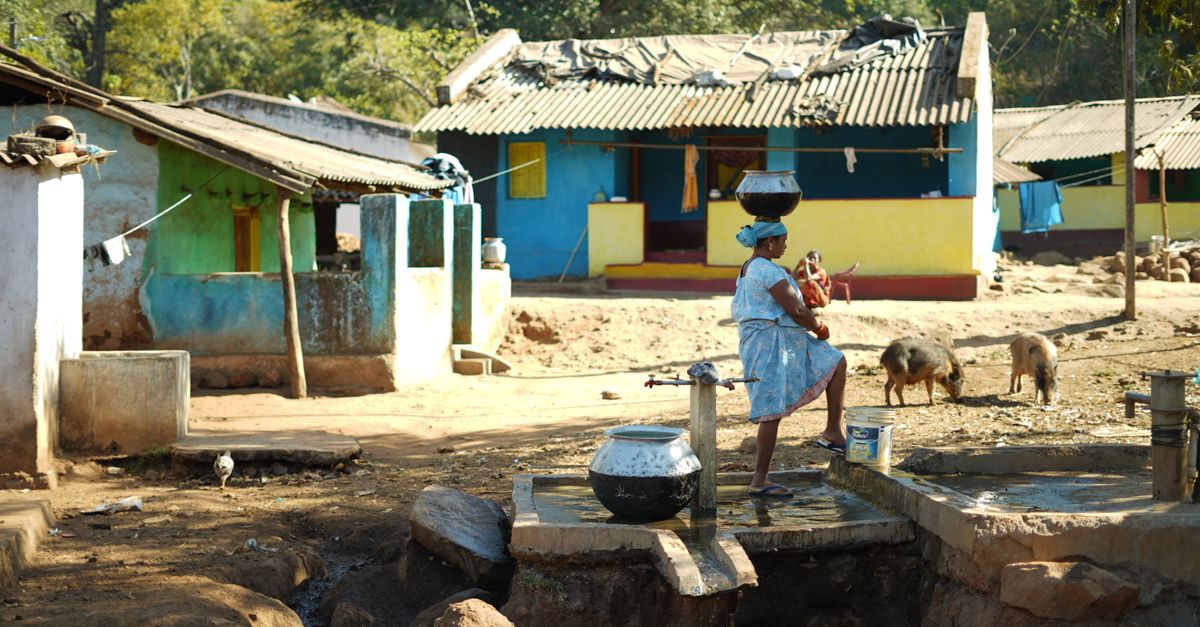
Jharkhand has a substantial tribal population, concentrated in various districts. Migration disproportionately affects these communities. While some tribal individuals migrate for work, the disruption of traditional social structures, loss of cultural practices, and increased vulnerability to exploitation are serious concerns. The displacement from ancestral lands, often due to development projects or resource extraction, can further exacerbate migration pressures.
In tribal districts, the out-migration of young men and women can lead to an aging population left behind, impacting agricultural productivity and the preservation of local customs. There is a critical need for targeted development initiatives that create local employment and opportunities, thereby reducing the compulsion to migrate and preserving community cohesion.
Ranchi: A Growing Metropolis and its Migrant Population
Ranchi, the capital city, is at the heart of Jharkhand's migration narrative. Its expanding economy, fueled by government services, private enterprises, and a growing urban infrastructure, attracts a steady stream of migrants. This influx contributes to the city's growth but also presents challenges. Increased demand for housing, public services, and employment can strain resources. The integration of migrants into the urban fabric, ensuring fair wages, safe working conditions, and access to basic amenities, is a crucial aspect of Ranchi's development.
Understanding the specific needs and vulnerabilities of migrant populations in Ranchi, including those from tribal backgrounds, is essential for inclusive urban planning and policy-making.
Challenges and Opportunities in Migration Management
Managing migration effectively requires a multi-pronged approach. On one hand, there's a need to create sustainable livelihood opportunities in rural and tribal areas to stem distress migration. This could involve promoting local industries, supporting small-scale agriculture, and investing in skill development programs tailored to local resources and potential.
On the other hand, for those who do migrate, ensuring their rights and welfare is paramount. This includes access to social security, fair labor practices, and integration support in urban destinations. Government policies, civil society initiatives, and community-based organizations all have a role to play in mitigating the negative impacts of migration and harnessing its potential for development.
Conclusion: Towards Sustainable and Equitable Migration
Jharkhand's migration story is complex, deeply intertwined with its socio-economic landscape and the unique challenges faced by its tribal populations. Addressing this requires a balanced approach that fosters development in rural areas while ensuring the protection and integration of migrants in urban centers like Ranchi. By understanding the root causes and impacts of migration, Jharkhand can move towards a future where migration is a choice driven by opportunity, not a necessity driven by distress.