





Hyderabad Sees Surge in Urban Wildlife Rescues: A Call for Co-existence and Awareness in Telangana
Hyderabad, the bustling capital of Telangana, is witnessing an undeniable trend: a significant increase in calls for urban wildlife rescue. From slithering snakes finding their way into homes to mischievous monkeys venturing into residential colonies and injured birds falling from trees, the city's green pockets and expanding concrete jungle are increasingly becoming shared territories for humans and various animal species. This growing interaction underscores a critical need for heightened public awareness, responsible co-existence strategies, and robust rescue mechanisms to ensure the safety of both the city's residents and its diverse fauna.
The Telangana Forest Department and various local animal welfare organizations report a steady rise in rescue operations, particularly during specific seasons. This isn't merely an isolated phenomenon but a clear indicator of the evolving landscape of human-animal dynamics within a rapidly developing metropolitan area.
The Urbanization Effect: Why More Encounters?
The primary driver behind this surge in urban wildlife encounters is the rapid urbanization and infrastructural development sweeping across Hyderabad and its surrounding areas. As the city expands, natural habitats are fragmented, forcing wildlife to adapt or seek new territories. Green spaces, once abundant, are shrinking, pushing animals closer to human settlements in search of food, water, and shelter.
For instance, areas bordering the city's numerous lakes, rock formations, and pockets of dense vegetation are hotspots for such interactions. Animals like snakes, monitor lizards, civets, and various bird species, which once thrived in undisturbed ecosystems, now find their homes encroached upon. This displacement often leads to them venturing into gardens, apartment complexes, and even commercial establishments, sparking concern and sometimes fear among residents.
Common Rescues in Hyderabad: A Diverse Menagerie
The types of animals frequently rescued in Hyderabad reflect the city's unique biodiversity. Snakes, particularly non-venomous species like rat snakes and spectacled cobras (which are venomous but often mistaken or encountered), are among the most common calls. Their presence in residential areas often leads to panic, necessitating professional intervention for safe relocation.
Monkeys, especially Rhesus macaques and Hanuman langurs, are another frequent subject of rescue calls. These intelligent primates, often attracted by easily accessible food sources like discarded human food or fruit trees in private compounds, can sometimes become a nuisance or even aggressive, leading to calls for their capture and relocation. Birds, from common sparrows and pigeons to larger raptors like kites and owls, also frequently require rescue due to injuries, entanglement in kite strings (manja), or falling from nests.
Beyond these, animals like civet cats, monitor lizards, and even occasional small mammals like mongooses are part of the urban wildlife tapestry that requires careful management and rescue when they stray into human spaces.
The Frontline: Role of Forest Department and NGOs
At the forefront of these rescue efforts are the dedicated teams of the Telangana Forest Department and a network of passionate animal welfare organizations. The Forest Department, with its specialized wildlife rescue units, plays a crucial role in responding to calls involving protected species or larger animals. They are equipped to handle challenging situations, ensuring both human and animal safety during capture and relocation.
The Nehru Zoological Park in Hyderabad also contributes significantly, often serving as a temporary rehabilitation center for injured or displaced wildlife before their eventual release back into suitable natural habitats. Beyond government bodies, numerous NGOs and independent rescuers work tirelessly, often on a voluntary basis, to attend to distress calls, provide first aid, and coordinate with authorities for professional handling.
These organizations not only conduct rescues but also engage in public awareness campaigns, educating citizens on safe practices and dispelling myths about urban wildlife.
Citizen's Role in Co-existence: Practical Tips for Hyderabad Residents
Fostering a harmonious co-existence between humans and urban wildlife is a shared responsibility. Hyderabad residents can play a vital role by adopting certain practices:
- Maintain Cleanliness: Keep surroundings clean and free of food waste, which can attract animals like monkeys, rats, and even snakes (preying on rats).
- Secure Homes: Seal any cracks or openings in walls, doors, and windows to prevent snakes, rodents, or other small animals from entering.
- Trim Vegetation: Regularly trim overgrown bushes and trees around your property, as they can provide cover for snakes and other creatures.
- Do Not Feed Wildlife: While well-intentioned, feeding wild animals can make them dependent on humans, alter their natural foraging behavior, and lead to increased conflict.
- Observe from a Distance: If you spot wildlife, maintain a safe distance. Do not provoke or attempt to handle the animal yourself.
- Contact Professionals: In case of an encounter with a wild animal that seems distressed, injured, or poses a threat, immediately contact the Telangana Forest Department or a local animal rescue organization. Do not attempt self-rescue.
Beyond Hyderabad: Co-existence Challenges in North Telangana Districts
While Hyderabad deals with its unique set of urban wildlife challenges, the principles of co-existence extend to other parts of Telangana, including the northern districts like Adilabad, Nirmal, Karimnagar, and Nizamabad. Here, the human-animal interface often involves different species and contexts. For instance, agricultural communities in these regions frequently face challenges from wild boars damaging crops, or monkeys raiding orchards.
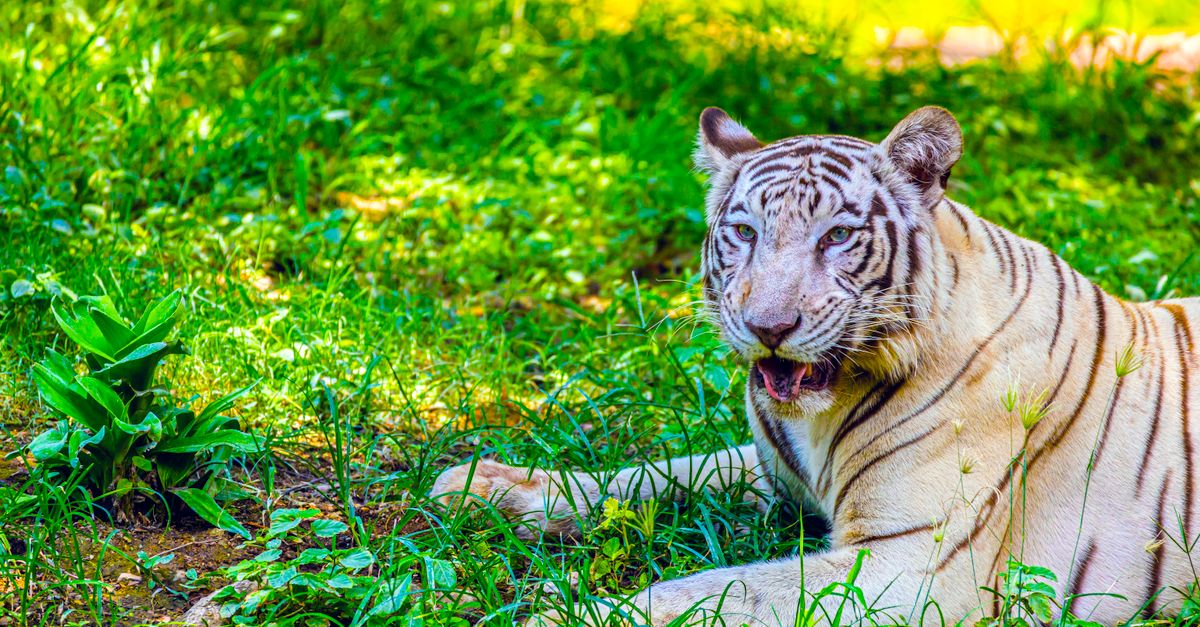
Forest-fringe villages might encounter leopards or even tigers, necessitating different strategies for conflict mitigation, such as improved livestock protection, awareness about forest etiquette, and prompt reporting of sightings to the forest department. The need for sustained awareness campaigns and community engagement is equally critical in these areas, focusing on species-specific challenges and promoting traditional wisdom alongside modern conservation practices.
Future Outlook: Sustainable Co-existence and Habitat Preservation
The increasing frequency of urban wildlife rescues in Hyderabad serves as a stark reminder of the urgent need for sustainable urban planning that integrates biodiversity conservation. Future development projects must consider ecological corridors, preserve existing green spaces, and mitigate habitat fragmentation.
Furthermore, continuous public education remains paramount. By understanding the behavior of urban wildlife and learning how to respond responsibly during encounters, citizens can significantly reduce instances of conflict and contribute to a safer environment for all living beings. Investing in well-equipped rescue infrastructure and supporting the tireless efforts of frontline rescuers will also be crucial in shaping a future where humans and animals can truly co-exist harmoniously in Telangana.
Conclusion
The rising tide of urban wildlife rescue calls in Hyderabad is a complex issue, born from the rapid pace of development and the inherent resilience of nature. It calls for a collective response from government agencies, NGOs, and individual citizens. By fostering awareness, adopting responsible practices, and supporting dedicated rescue efforts, Telangana can pave the way for a model of urban living where development and biodiversity thrive hand-in-hand, ensuring a compassionate and sustainable future for its diverse inhabitants.