


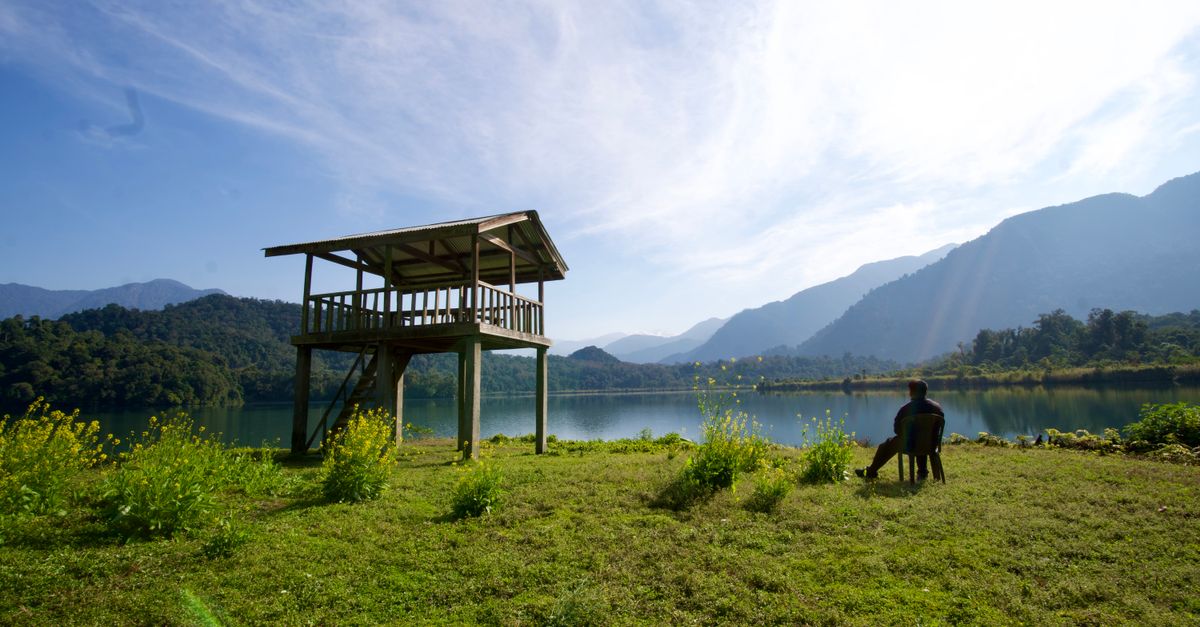
Arunachal Pradesh Forges Ahead with Shrine Development to Boost Spiritual Tourism and Preserve Heritage
Arunachal Pradesh, the "Land of the Rising Sun," is embarking on an ambitious journey to enhance its spiritual tourism landscape through strategic shrine development. This initiative is not merely about constructing new structures but about preserving the state's diverse cultural heritage, empowering local communities, and offering pilgrims and tourists a deeper insight into the unique spiritual fabric of India's northeastern frontier.
Strategic Vision: Blending Spirituality with Sustainable Development
The government of Arunachal Pradesh recognizes the immense potential of its spiritual sites to attract visitors and foster economic growth. From ancient Hindu pilgrimage spots to serene Buddhist monasteries and vibrant indigenous Donyi-Polo shrines, the state is a melting pot of faiths. The strategic vision behind shrine development is multi-faceted: to improve infrastructure for pilgrims, promote cultural exchange, and create sustainable livelihoods for local populations. This approach ensures that development respects the ecological sensitivity of the region and the sanctity of these revered places.
Recent policy pronouncements and allocations underscore a commitment to this sector. The focus extends beyond major urban centers like Itanagar to the remote, often challenging terrain of frontier districts, ensuring equitable development and access. This broad-based approach is crucial for a state as geographically diverse and culturally rich as Arunachal Pradesh.
Focus on Frontier Districts: The Case of Parshuram Kund
One of the most significant examples of shrine development in a frontier district is the ongoing enhancement of Parshuram Kund in Lohit district. Nestled in the lower reaches of the Lohit River, this sacred site holds immense religious significance for Hindus across India. Pilgrims believe a dip in its holy waters on Makar Sankranti can wash away sins. Historically, accessing Parshuram Kund involved arduous journeys, limiting its potential. However, recent and ongoing development projects are transforming the site.
- Improved Connectivity: Better road infrastructure leading to the Kund, making it more accessible for devotees from across the country.
- Pilgrim Amenities: Construction of guesthouses, bathing ghats, sanitation facilities, and visitor centers to ensure a comfortable and safe pilgrimage experience.
- Environmental Sensitivity: Development plans are carefully crafted to maintain the natural beauty and ecological balance of the surrounding area, a critical aspect given the region's biodiversity.
These developments at Parshuram Kund not only cater to the spiritual needs of pilgrims but also act as catalysts for local economic activity, providing employment opportunities and boosting small businesses in the Lohit district, a region historically less integrated into mainstream tourism circuits.
Beyond Major Pilgrimage Sites: Nurturing Local Shrines and Indigenous Faiths
While prominent sites like Parshuram Kund receive significant attention, the state's shrine development strategy also encompasses smaller, locally significant shrines and those belonging to indigenous faiths such as Donyi-Polo. Efforts are being made to document, preserve, and, where appropriate, enhance these sites. This includes supporting local communities in maintaining their traditional prayer houses (Meders) and sacred groves.
In and around Itanagar, the capital, there's a growing recognition of the need to integrate spiritual and cultural sites into urban planning. Initiatives might include better signage, improved access to local temples, and the creation of cultural pathways that connect these sites, allowing visitors to experience the spiritual diversity within the city itself. The aim is to make these sites more visible and accessible while respecting their sanctity and local customs.
Economic Ripple Effects and Community Empowerment
The investment in shrine development is yielding tangible economic benefits for the people of Arunachal Pradesh. Construction activities generate direct employment for skilled and unskilled labor. Once operational, the enhanced sites create demand for local services, including guides, transport operators, food vendors, and handicraft artisans. This localized economic boost is particularly vital for frontier districts where traditional livelihoods may be limited.
Moreover, these projects often involve local self-help groups and community organizations, fostering a sense of ownership and responsibility. The emphasis is on sustainable tourism practices that benefit the community directly, ensuring that the cultural and economic gains are shared broadly. This empowerment helps in preserving the unique identity of various tribes and communities, linking their spiritual practices to their economic well-being.
Challenges and the Path Forward for Sustainable Shrine Development
Despite the positive momentum, shrine development in Arunachal Pradesh faces unique challenges. The rugged mountainous terrain and challenging weather conditions can make construction and maintenance difficult and costly. Ensuring year-round accessibility, especially during monsoon seasons, requires robust infrastructure. Furthermore, balancing development with environmental conservation and respecting the diverse cultural sensitivities of various communities is paramount.
The path forward involves continued strategic planning, leveraging technology for sustainable construction, and fostering greater collaboration between government agencies, local communities, and religious organizations. Emphasis on eco-friendly tourism practices, waste management, and the use of local materials will be crucial for long-term sustainability. The aim is to create a model of spiritual tourism that is both enriching for visitors and beneficial for the people and environment of Arunachal Pradesh.
Conclusion: A Spiritual Awakening and Regional Growth
Arunachal Pradesh's commitment to shrine development is more than just an infrastructure project; it's a testament to its dedication to preserving its spiritual essence while charting a course for regional growth. By carefully developing its sacred sites, from the revered Parshuram Kund in the Lohit frontier to local shrines around Itanagar, the state is not only inviting the world to witness its unique spiritual landscape but also securing a prosperous and culturally rich future for its citizens. This holistic approach ensures that as the sun rises over Arunachal, it illuminates both ancient traditions and new opportunities.