




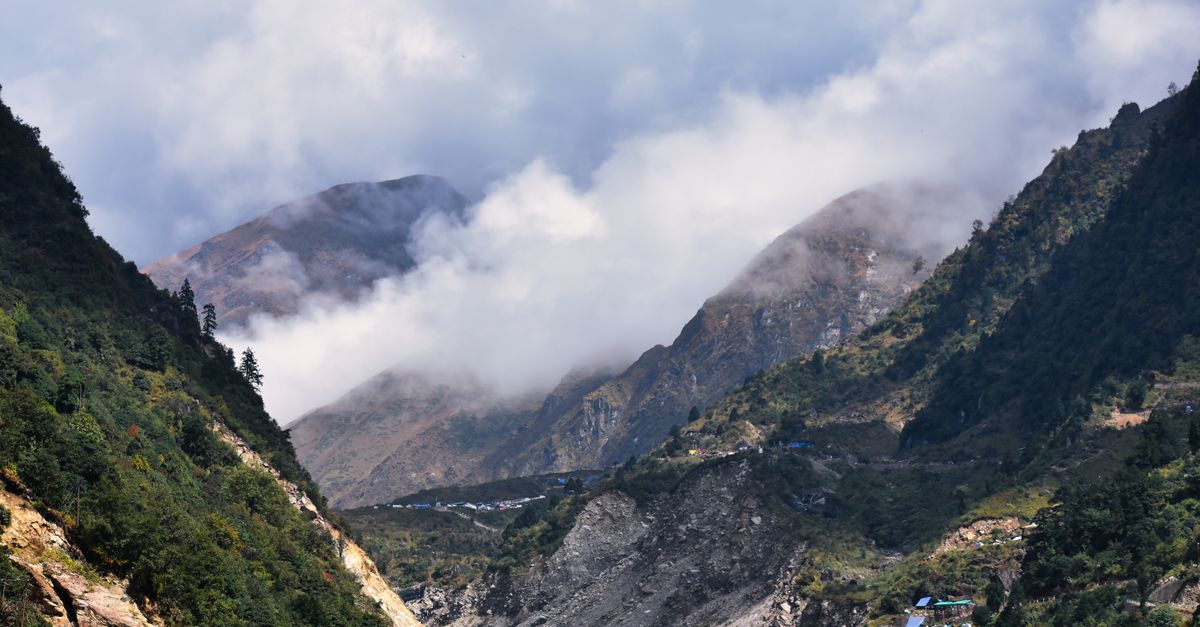
West Bengal's Mountain Charms: Beyond the Hills of Darjeeling
While Darjeeling often steals the spotlight, West Bengal's mountainous regions offer a diverse tapestry of natural beauty, serene valleys, and thrilling trekking opportunities that beckon explorers. From the iconic tea gardens of the north to the more rugged, lesser-known terrains, these landscapes provide a refreshing escape into nature, far from the urban bustle of cities like Kolkata.
The Iconic Appeal of Darjeeling and its Surroundings
Darjeeling, the 'Queen of the Hills', is synonymous with breathtaking mountain vistas, emerald tea estates, and the crisp, cool air. The views of Kanchenjunga, the world's third-highest peak, are a major draw, especially during clear mornings. Beyond the town itself, areas like Kalimpong offer a slightly different charm with their vibrant orchids and Buddhist monasteries. For those seeking a more tranquil experience, villages surrounding Darjeeling provide a glimpse into the local Gorkha culture and a chance to unwind amidst nature's grandeur.
Trekking Trails for Every Adventurer
West Bengal's mountains are a paradise for trekkers. The famous Sandakphu trek, which leads to the highest point in the state and offers unparalleled panoramic views of the Everest and Kanchenjunga ranges, is a must for seasoned hikers. However, there are numerous other trails catering to different fitness levels. Shorter treks around places like Phalut or Tonglu offer equally stunning scenery with less demanding routes. These trails wind through rhododendron forests, alpine meadows, and offer encounters with diverse flora and fauna, making every step a discovery.
Exploring the Lesser-Known Valleys and Foothills
Venture beyond the popular tourist circuits, and you'll discover hidden gems. The Dooars region, though technically foothills rather than high mountains, presents a unique landscape of forests, rivers, and grasslands, bordering Bhutan. It's a haven for wildlife enthusiasts, with national parks like Gorumara and Chapramari offering chances to spot rhinos, elephants, and various bird species. Further west, towards the border with Sikkim and Nepal, lie quieter hamlets and valleys that promise solitude and unspoiled natural beauty. These areas are perfect for those looking to connect with nature on a deeper level, away from commercial tourism.
A Grounded Angle: Nature's Influence on Rural Life
The impact of these mountainous terrains extends to the lives of people in the surrounding villages. The fertile slopes, nourished by mountain streams, are ideal for tea cultivation, which forms the backbone of the economy in many northern villages. The natural beauty also supports a growing eco-tourism sector, providing livelihoods for local communities. From homestays offering authentic cultural experiences to guides who share their intimate knowledge of the trails and forests, the connection between the people and their mountainous environment is profound. Even for those residing closer to the southern plains, like in villages near Kolkata, the distant silhouette of the Himalayas serves as a constant reminder of the diverse landscapes India holds.
Planning Your Mountain Escape
When planning a trip to West Bengal's mountains, consider the best times to visit. Spring (March to May) is ideal for blooming flowers and pleasant weather, while autumn (September to November) offers clear skies and excellent mountain views. Ensure you pack appropriately for varying temperatures and terrain. Engaging local guides can enhance your trekking and exploration experience, offering insights into the local culture and environment. For those coming from Kolkata, flights to Bagdogra Airport are the most convenient starting point for accessing the hill stations.
West Bengal's mountains are more than just scenic landscapes; they are vibrant ecosystems that sustain life and offer unparalleled experiences for nature lovers, trekkers, and anyone seeking respite in the embrace of the Himalayas.