





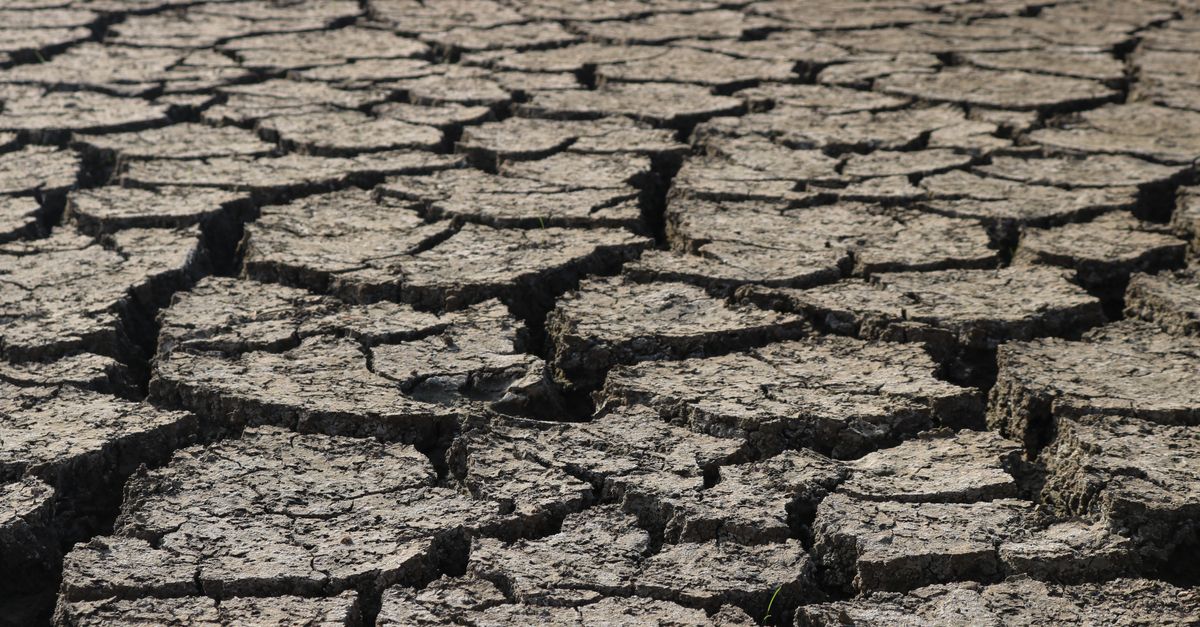
Tripura's Water Scarcity: Understanding and Addressing Water Stress in Agartala and Border Districts
Water is the lifeblood of any region, and its availability is a critical factor for development and well-being. In recent years, many parts of India have grappled with increasing water stress, and Tripura is no exception. The state, particularly its capital Agartala and the surrounding border districts, is facing a growing challenge in ensuring adequate water supply for its residents, agriculture, and industry. This article delves into the nuances of water stress in these specific areas of Tripura, exploring its causes, impacts, and importantly, actionable solutions.
The Growing Challenge of Water Stress in Tripura
Water stress occurs when the demand for water exceeds the available amount, or when poor quality restricts its use. In Tripura, a combination of factors is contributing to this growing concern. Agartala, as a rapidly urbanizing city, sees an escalating demand for water from a growing population and increased commercial activities. Meanwhile, the districts bordering Bangladesh, while having unique geographical characteristics, also face pressures on their water resources. These pressures can stem from changing rainfall patterns, increased agricultural water usage, and sometimes, the transboundary movement of water resources, although the primary concerns remain local.
The state's reliance on monsoon rains means that erratic weather patterns, including delayed monsoons or prolonged dry spells, can significantly impact surface and groundwater levels. While Tripura is known for its lush greenery and rivers, localized depletion and contamination are becoming noticeable issues in many areas. Understanding these local dynamics is key to formulating effective strategies.
Understanding the Causes: Why is Water Stress Increasing?
Several interconnected reasons contribute to the rising water stress in Agartala and its adjacent border districts:
- Population Growth and Urbanization: Agartala's expanding population directly increases the demand for potable water for domestic use. Unplanned urban development can also strain existing water infrastructure.
- Agricultural Demands: Agriculture remains a significant sector in Tripura. Increased cultivation, especially of water-intensive crops, puts a strain on both surface water and groundwater resources, particularly during the dry seasons.
- Groundwater Depletion: Over-extraction of groundwater for irrigation, domestic supply, and industrial purposes without adequate replenishment is leading to a decline in water tables. This is a critical concern in many parts of the state.
- Pollution: Contamination of rivers and groundwater sources by untreated sewage, industrial effluents, and agricultural runoff further reduces the availability of safe drinking water, exacerbating water stress.
- Climate Change Impacts: Changing rainfall patterns, increased frequency of droughts, and unpredictable weather events directly affect water availability.
Impacts on Daily Life and Livelihoods
The consequences of water stress are far-reaching. For the residents of Agartala and the border districts, this translates to:
- Reduced Access to Safe Drinking Water: Many households may face shortages, relying on less reliable or more expensive sources.
- Agricultural Losses: Farmers may experience crop failures or reduced yields due to insufficient irrigation, impacting their income and food security.
- Health Concerns: Scarcity of clean water can lead to increased incidence of waterborne diseases.
- Economic Strain: Industries requiring significant water may face operational challenges, affecting local economies.
Practical Solutions for Water Management in Tripura
Addressing water stress requires a multi-pronged approach involving government initiatives, community participation, and individual actions. Here are some practical solutions:
1. Promoting Water Conservation
Conservation is the most immediate and effective way to manage water resources. Simple practices can make a big difference:
- Efficient Irrigation: Farmers can adopt micro-irrigation techniques like drip and sprinkler systems to reduce water usage in agriculture.
- Domestic Water Saving: Encouraging practices like fixing leaky taps, using water-efficient appliances, and mindful water use for daily chores can significantly cut domestic consumption.
- Awareness Campaigns: Public awareness programs can educate citizens about the importance of water conservation and provide practical tips.
2. Enhancing Rainwater Harvesting
Tripura receives a good amount of rainfall, making rainwater harvesting a highly viable solution. Both urban and rural areas can benefit:
- Rooftop Rainwater Harvesting: Installing systems in homes, schools, and commercial buildings to collect and store rainwater for non-potable uses like gardening, toilet flushing, and cleaning.
- Recharging Groundwater: Constructing check dams, percolation pits, and recharge wells can help replenish groundwater aquifers, especially in areas with declining water tables.
- Community Initiatives: Local bodies and community groups can organize efforts to build and maintain common rainwater harvesting structures.
3. Sustainable Groundwater Management
Protecting and managing groundwater resources is crucial for long-term water security:
- Regulation of Extraction: Implementing and enforcing regulations on groundwater extraction, especially for commercial and industrial purposes.
- Monitoring Water Levels: Regular monitoring of groundwater levels and quality to identify areas of critical depletion and take corrective measures.
- Promoting Water-Efficient Technologies: Encouraging industries and agriculture to adopt technologies that minimize water consumption.
4. Protecting Water Sources from Pollution
Ensuring the quality of available water is as important as ensuring its quantity:
- Wastewater Treatment: Investing in and upgrading wastewater treatment plants to prevent untreated sewage from polluting rivers and groundwater.
- Industrial Effluent Control: Strict enforcement of regulations on industrial discharge to prevent the release of harmful pollutants.
- Awareness on Agricultural Runoff: Educating farmers on reducing the use of chemical fertilizers and pesticides that can contaminate water bodies.
The Way Forward for Tripura
The challenge of water stress in Tripura, particularly in Agartala and its border districts, is a complex one but not insurmountable. By understanding the local causes and implementing a combination of conservation, rainwater harvesting, sustainable groundwater management, and pollution control measures, the state can move towards greater water security. A concerted effort from the government, local communities, and every citizen will be vital in safeguarding this precious resource for future generations.