





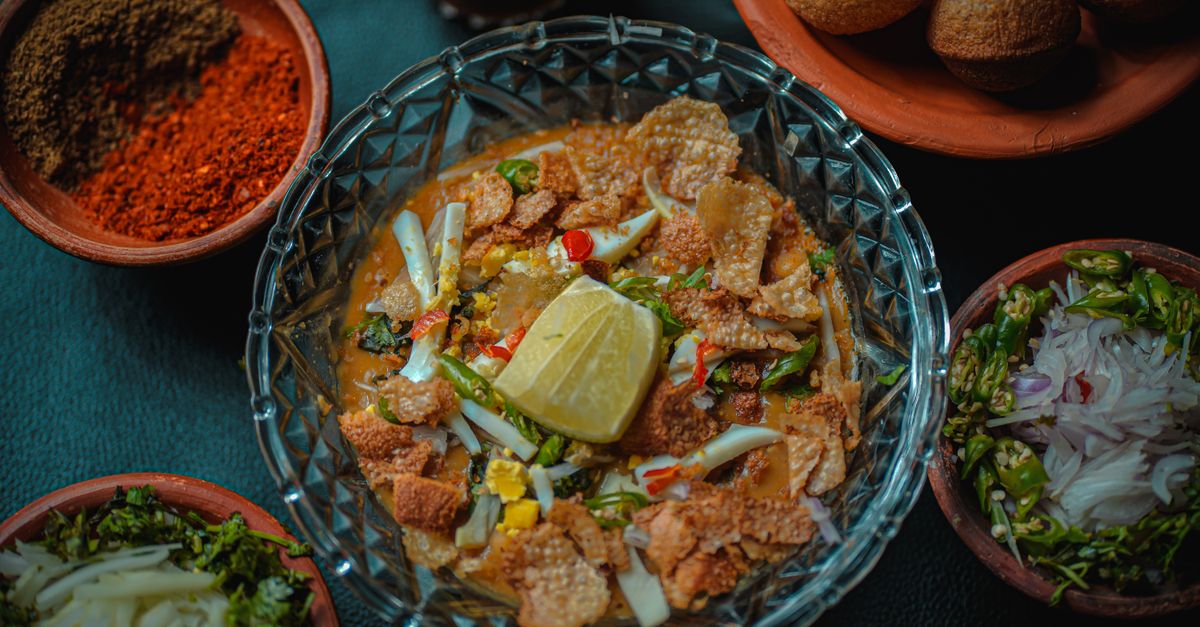
Tripura's Culinary Tapestry: A Journey Through Northeast Indian Flavors
Nestled in the northeastern corner of India, Tripura offers a culinary experience as vibrant and diverse as its landscapes. Often overshadowed by its more famous neighbors, Tripura boasts a unique food culture shaped by indigenous traditions, Bengali influences, and its strategic location bordering Bangladesh. This article delves into the heart of Tripuri cuisine, exploring its distinctive dishes, key ingredients, and the evolving food scene, particularly around its capital, Agartala, and its border districts.
The Essence of Tripuri Cooking: Indigenous Roots and Bengali Touches
At its core, Tripuri cuisine is characterized by its simplicity, freshness, and a skillful use of local ingredients. The indigenous communities, including the Tripuri, Reang, Jamatia, and Halam, have preserved traditional cooking methods that emphasize steaming, boiling, and grilling, often avoiding excessive oil and spices. This results in dishes that are healthy and allow the natural flavors of the ingredients to shine through.
A significant influence on Tripuri food comes from the large Bengali population that migrated to the state. This has led to a delightful fusion, where traditional Bengali cooking techniques and ingredients are adapted with local produce. Expect to find a harmonious blend of distinct regional tastes, making the culinary journey through Tripura a fascinating exploration of cultural confluence.
Signature Dishes You Must Try
Tripura's culinary repertoire is rich with unique and flavorful dishes. Here are some highlights:
- Mui Borok: This is perhaps the most iconic dish of Tripura, considered its state dish. Mui Borok is a fermented fish dish, often prepared with Berma (dried and fermented fish). It's typically served with rice and a variety of boiled vegetables, offering a pungent yet satisfying taste that is deeply rooted in Tripuri tradition.
- Chikhvi: A popular side dish, Chikhvi is made from pounded rice, fermented fish (Berma), and sometimes bamboo shoots. It has a unique texture and a strong, acquired taste that is a hallmark of authentic Tripuri cuisine.
- Bangui: A simple yet hearty dish, Bangui is a type of rice cake or pudding made by boiling rice with water, often seasoned with salt. It's a staple food, especially in rural areas, providing sustained energy.
- Pork with Bamboo Shoots: Pork is a favorite meat in Tripura, and it's often cooked with tender bamboo shoots, creating a dish that is both succulent and aromatic. The bamboo shoots add a distinct earthy flavor and a pleasant crunch.
- Mosdeng Serma: This is a spicy chutney made from fermented fish (Berma), tomatoes, and chili. It's a fiery condiment that perfectly complements rice and other main dishes.
- Various Vegetable Preparations: Expect an array of boiled, steamed, and stir-fried vegetables, often featuring local greens, gourds, and beans. Dishes like Gudok (a mixed vegetable stew) are also common.
Exploring the Culinary Landscape of Agartala and Border Areas
Agartala, the capital city, serves as the culinary hub of Tripura, offering a mix of traditional eateries and modern restaurants. Here, one can savor authentic Tripuri dishes alongside popular Bengali and North Indian fare. The city provides easy access to local markets where fresh produce, including exotic fruits and vegetables, are readily available. For those venturing into the border districts, the experience becomes even more intimate. Local dhabas and roadside stalls offer a glimpse into the everyday food habits of the people, with dishes often prepared using age-old methods and ingredients sourced directly from farms and forests. The proximity to Bangladesh also subtly influences the flavors, introducing nuances that are unique to this border region.
Key Ingredients and Culinary Practices
The distinctiveness of Tripuri cuisine lies in its use of specific ingredients and cooking techniques. Berma, the fermented fish, is a cornerstone, lending its characteristic pungent flavor to many dishes. Bamboo shoots, both fresh and fermented, are another vital component, adding texture and a unique taste to curries and stir-fries. Local herbs and greens are used generously, providing freshness and nutritional value. Rice is the staple grain, consumed in various forms, from plain boiled rice to Bangui. The emphasis on steaming and boiling ensures that dishes are not only flavorful but also healthy, aligning with a growing global trend towards wellness.
The Evolving Food Scene in Tripura
While traditional flavors remain paramount, Tripura's food scene is gradually evolving. Agartala is witnessing the rise of cafes and restaurants that offer contemporary twists on classic dishes, catering to a younger demographic and tourists. There's also an increasing interest in promoting indigenous food products and culinary tourism, aiming to showcase Tripura's unique gastronomic heritage on a broader platform. Efforts are being made to document traditional recipes and encourage their preservation, ensuring that these culinary treasures are passed down to future generations. The state's rich biodiversity also offers potential for exploring new ingredients and flavors, further enriching its food landscape.
Conclusion: A Taste of Authenticity
Tripura's cuisine is a testament to its rich cultural heritage and the ingenuity of its people. From the pungent Mui Borok to the comforting Bangui, each dish tells a story of tradition, community, and the land. For food enthusiasts and travelers seeking authentic culinary experiences in Northeast India, Tripura offers a unique and unforgettable journey. Exploring its food is not just about tasting new flavors; it's about understanding the heart and soul of this beautiful state.