


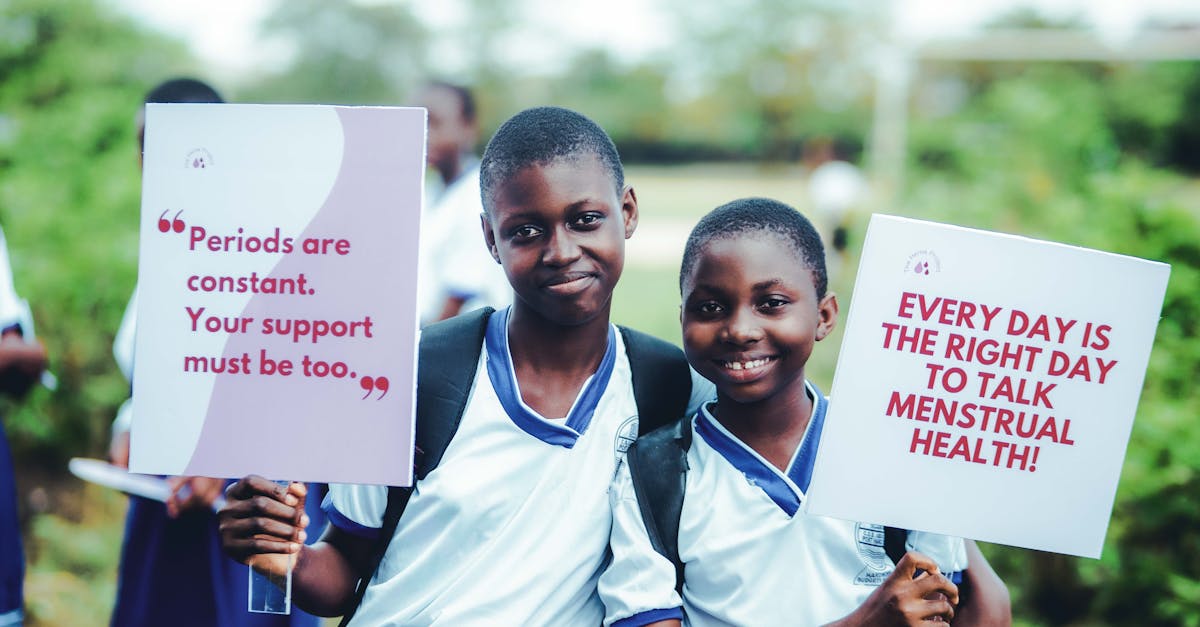
Punjab Leads the Way: New Menstrual Health Curriculum in Schools
In a landmark move set to profoundly impact the lives of thousands of young girls, the Punjab government has officially rolled out a dedicated menstrual health curriculum across 3,600 government schools. This initiative marks a crucial step in addressing a long-neglected aspect of public health and education in India, aiming to break the silence and stigma surrounding menstruation. By integrating scientific knowledge and practical guidance into the regular school syllabus, Punjab is setting a precedent for other states to follow, fostering a more informed and supportive environment for its female students.
Why Menstrual Health Education is Critically Important for India
For generations, menstruation has been shrouded in secrecy, myths, and cultural taboos across many parts of India. This silence often leads to a lack of accurate information, poor hygiene practices, and significant health issues among adolescent girls. Many girls miss school during their periods due to discomfort, lack of facilities, or shame, impacting their education and future prospects. Studies have shown that inadequate menstrual hygiene can lead to reproductive tract infections, while the stigma can cause psychological distress and lower self-esteem.
This new curriculum in Punjab directly confronts these challenges. It acknowledges that education is the most powerful tool to dispel myths, promote healthy practices, and empower girls to manage their menstrual cycles with dignity and confidence. It's not just about biology; it's about social equity and ensuring every girl has the opportunity to thrive without being held back by natural bodily functions.
What Will the Curriculum Cover?
While specific details of the curriculum's modules will unfold, it's expected to cover a comprehensive range of topics essential for holistic menstrual health management. Key areas likely include:
- Understanding the Menstrual Cycle: Basic biology, hormonal changes, and the normal range of a period.
- Hygiene Practices: Importance of cleanliness, proper use and disposal of sanitary pads or other menstrual products.
- Addressing Myths and Misconceptions: Debunking common taboos and superstitions associated with menstruation.
- Nutritional Needs: Emphasizing a balanced diet and iron intake during menstruation.
- Managing Discomfort: Simple tips for dealing with cramps and other common period-related symptoms.
- Seeking Help: Knowing when and how to approach parents, teachers, or healthcare professionals for support or medical advice.
- Environmental Impact: Responsible disposal of menstrual waste and sustainable menstrual product options.
The curriculum is likely designed to be age-appropriate, starting with basic concepts for younger students and progressing to more detailed information for older girls, ensuring that the learning is continuous and relevant.
Expected Impact on Students and Schools
The introduction of this curriculum is anticipated to bring about several positive changes:
- Improved Health Outcomes: Better hygiene practices will reduce the incidence of infections and other health complications.
- Increased School Attendance: Girls who understand their bodies and have access to proper facilities and support are less likely to miss school during their periods. This directly contributes to better educational attainment.
- Enhanced Confidence and Self-Esteem: Knowledge empowers. Girls will feel more confident, less ashamed, and better equipped to handle menstruation.
- Breaking the Silence: Open discussions in schools will normalize menstruation, encouraging girls to talk about their experiences and seek help when needed. This can also influence families and communities to be more open.
- Gender Equality: By addressing a fundamental aspect of female health, the initiative promotes gender equality in education and beyond.
Furthermore, schools themselves are likely to become more inclusive and supportive environments, with teachers better equipped to handle related questions and provide guidance.
Broader Policy Implications and the Road Ahead
Punjab's initiative could serve as a blueprint for other Indian states. Menstrual health education is not uniformly implemented across the country, and this comprehensive approach from Punjab could inspire national-level policy discussions. The success of this program will depend on several factors:
- Teacher Training: Ensuring that teachers are adequately trained, comfortable, and confident in delivering the curriculum is paramount. They need to be equipped not just with facts but also with sensitivity and communication skills.
- Community Engagement: For the program to have a lasting impact, community awareness and involvement are crucial. Engaging parents, especially mothers, and local leaders can help reinforce the messages taught in schools and challenge deep-rooted taboos.
- Access to Facilities: The curriculum must be complemented by access to clean, functional toilets and affordable sanitary products in schools. Without adequate infrastructure, the practical aspects of the education will be difficult to implement.
- Monitoring and Evaluation: Regular assessment of the curriculum's effectiveness, gathering feedback from students and teachers, and making necessary adjustments will be vital for its long-term success.
This is not merely a health program; it's a social reform in the making. As Punjab takes this bold step, the eyes of the nation will be on its progress, observing how this educational intervention transforms the lives of its young women.
What Readers Should Watch Next
Moving forward, it will be important to observe the initial feedback from students, teachers, and parents in Punjab. Will the curriculum be embraced wholeheartedly, or will cultural resistances emerge? How effectively will the state government ensure consistent implementation and resource allocation across all 3,600 schools, especially in rural and remote areas? We should also watch for similar initiatives from other states, potentially indicating a broader national movement towards comprehensive menstrual health education. The long-term impact on girls' attendance, health indicators, and overall empowerment will be key metrics to track.
A Step Towards a Healthier, More Equitable Future
Punjab's decision to integrate menstrual health education into its government school system is a commendable and progressive step. It signifies a commitment to the well-being and empowerment of its young female population. By equipping girls with knowledge and breaking down societal barriers, Punjab is not just educating its students; it is building a foundation for a healthier, more confident, and equitable future for generations to come. This initiative holds the promise of transforming private discomfort into public understanding and support, making menstruation a normal, healthy part of life rather than a source of shame or hindrance.
