





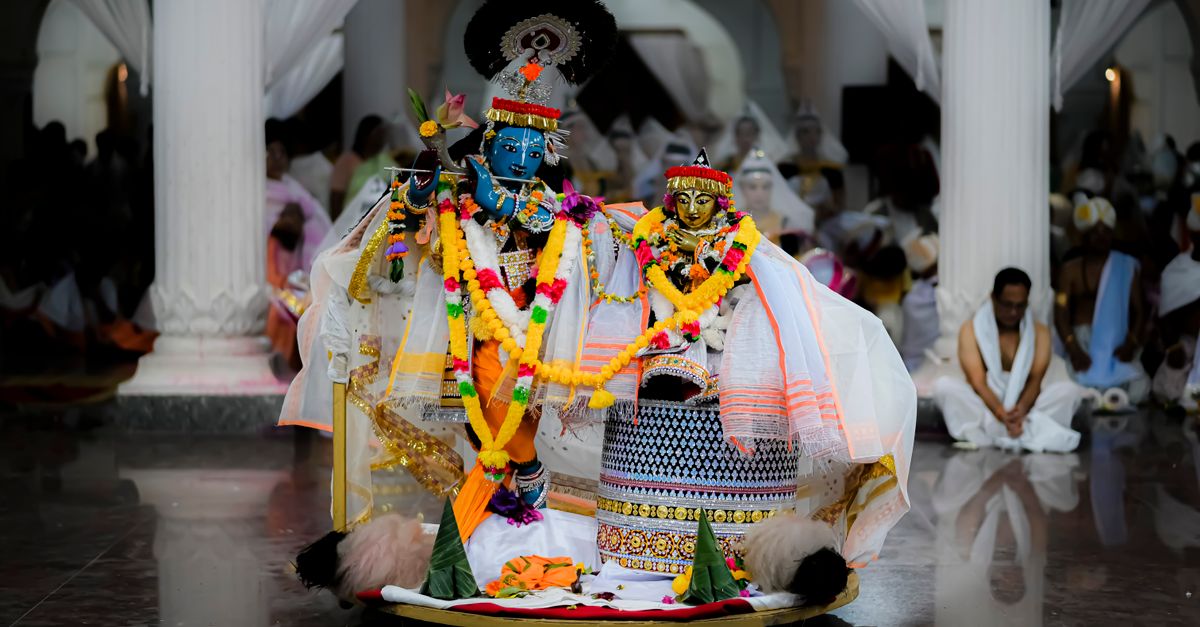
Enhancing Devotee Experience: Facilities and Amenities at Manipur's Temples
Temples across India are not just places of worship but also community hubs, offering solace and spiritual connection. In Manipur, a state known for its vibrant culture and diverse religious landscape, the provision of adequate facilities for devotees plays a crucial role in ensuring a comfortable and meaningful visit for everyone, irrespective of their background. This is particularly important when considering the distinct needs of communities residing in the Imphal valley and the surrounding hills.
The Importance of Devotee Facilities
For any religious site, the experience of a devotee goes beyond the rituals and prayers. Essential facilities like clean drinking water, accessible restrooms, adequate seating, and clear signage significantly contribute to a positive spiritual journey. In a state like Manipur, where diverse communities, including those from the hills and the valley, converge at sacred sites, these amenities become even more critical. They ensure that everyone, including the elderly, differently-abled individuals, and families with young children, can participate fully in religious activities without facing undue hardship.
Facilities Around Imphal and the Valley
Imphal, the capital city, is home to several prominent temples that serve as focal points for religious gatherings and festivals. Temples here often feature well-maintained premises, with provisions for drinking water stations, clean toilet facilities, and sometimes even designated areas for prasad distribution. For larger temples, there might be dedicated halls for religious discourses or community gatherings. The accessibility of these sites is also a growing concern, with many newer facilities being designed with ramps and wider pathways to accommodate visitors with mobility challenges. Local temple committees often work with community volunteers to ensure these facilities are kept in good condition and are sufficient for the influx of devotees during peak times and festivals.
Catering to Hill Communities
Manipur's unique geography means that many sacred sites are located in its picturesque hill districts. While these remote locations offer unparalleled spiritual tranquility, they often present unique challenges in terms of infrastructure. Devotees traveling from the plains to these hill temples, or those living within the hill areas, may have different expectations and needs. Some of the more established temples in the hills are increasingly focusing on basic amenities such as shelter during inclement weather, basic sanitation facilities, and safe drinking water sources. The challenge often lies in maintaining these facilities due to the remote locations and logistical difficulties. Community involvement is paramount here, with local villagers often playing a key role in the upkeep and management of these essential services, ensuring that visiting devotees feel welcomed and cared for.
Specific Amenities and Their Impact
Beyond the basics, certain amenities can significantly enhance the devotee experience. These include:
- Drinking Water Stations: Ensuring access to clean, potable water is fundamental, especially in Manipur's often warm climate.
- Restrooms and Sanitation: Well-maintained and hygienic toilets are a non-negotiable requirement for any public space, especially religious sites.
- Seating Areas: Providing comfortable places for devotees to rest, meditate, or wait is important, particularly for the elderly.
- Accessibility Features: Ramps, handrails, and accessible restrooms cater to individuals with disabilities, promoting inclusivity.
- Information Centers/Signage: Clear signage in local languages helps devotees navigate the temple complex and understand its history and significance.
- Community Kitchens/Food Services: For major festivals, facilities for serving food (prasad or langar) are vital.
The presence and quality of these facilities directly impact how devotees perceive their spiritual journey. A well-equipped temple fosters a sense of respect and care, encouraging more people to visit and engage with their faith.
Future Outlook and Community Role
As religious tourism gains traction in Manipur, there is a growing recognition of the need to invest in and upgrade devotee facilities. Collaboration between government bodies, temple management committees, and local communities, including those from both valley and hill regions, will be key to achieving this. By prioritizing the comfort, safety, and accessibility of all visitors, Manipur's temples can continue to be vibrant centers of spiritual life, welcoming everyone to experience their unique blend of faith and culture.