





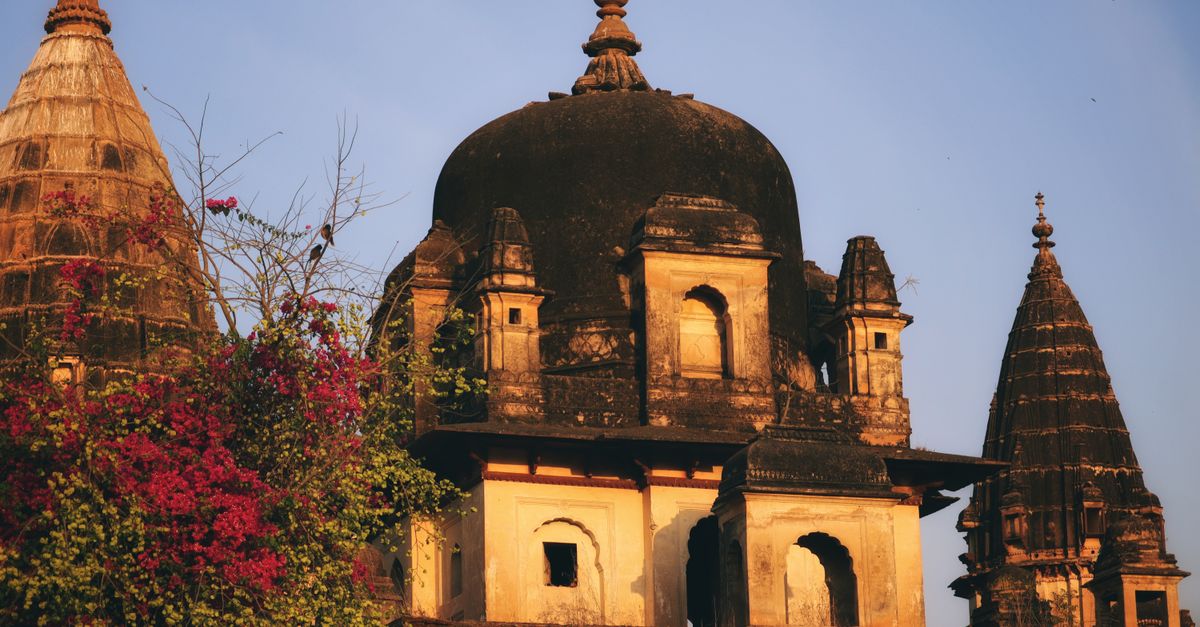
Madhya Pradesh High Court Declares Bhojshala Site a Temple
In a historic ruling that brings an end to a decades-long dispute, the Madhya Pradesh High Court has declared the disputed Bhojshala site in Dhar district as a temple. This significant judgment is expected to have profound implications for the historical and religious landscape of the region.
Background of the Bhojshala Dispute
The Bhojshala complex in Dhar, Madhya Pradesh, has been a focal point of contention for many years. Historically, it is believed to have been a center of learning established by the Paramara king Bhoja, dating back to the 11th century. Over time, it also came to be used as a mosque by the local Muslim community, particularly during the Mughal era, leading to a complex shared heritage and subsequent claims from both communities.
The Archaeological Survey of India (ASI) has been involved in managing the site, which features inscriptions and architectural elements that point to its dual historical significance. The dispute has often seen periods of heightened tension and legal challenges, with both Hindu and Muslim groups asserting their claims over the site's identity and management.
The High Court's Landmark Verdict
The Indore bench of the Madhya Pradesh High Court, while hearing petitions related to the site, has now delivered a verdict that recognizes Bhojshala as a temple. The court's decision is based on extensive historical evidence and legal arguments presented by various parties. This ruling effectively settles the long-standing debate over the primary nature and ownership of the Bhojshala complex.
Sources indicate that the court has directed the Archaeological Survey of India to manage the site in accordance with its declaration as a temple. The verdict is seen as a culmination of years of legal battles and appeals, aiming to provide a definitive resolution to the controversy.
Implications and Reactions
The High Court's decision is likely to be met with varied reactions across different communities and stakeholders. For the Hindu community, this verdict is a significant victory, affirming their long-held belief and claim over Bhojshala as a sacred temple. Religious and cultural organizations have expressed happiness and anticipation for the future management of the site.
While the full impact of the ruling is yet to unfold, it is expected to pave the way for renewed focus on the preservation and potential restoration of the temple complex. The court's clear pronouncement aims to prevent further disputes and ensure the site's status is legally and historically recognized.
Looking Ahead: Preservation and Future Management
With the legal battle seemingly concluded, the focus now shifts to the practical aspects of managing and preserving the Bhojshala site. The Archaeological Survey of India, under the court's directive, will play a crucial role in overseeing the site's administration. Efforts will likely be directed towards ensuring the site's historical integrity is maintained while respecting its declared status as a temple.
This verdict is a significant moment in India's ongoing dialogue on heritage, religion, and historical sites. It underscores the role of the judiciary in resolving complex disputes that have deep cultural and societal roots, offering a path towards clarity and resolution for disputed historical locations across the country.