




Beyond Borders: How India-Bangladesh Cultural Exchange Enriches Entertainment in Tripura
Tripura, a jewel in Northeast India, shares a unique and extensive border with Bangladesh. This geographical proximity is not just a line on a map; it's a vibrant conduit for a rich tapestry of cultural exchange that profoundly shapes the entertainment landscape of the state. From the bustling streets of Agartala to the tranquil villages along the border, the echoes of shared heritage and contemporary collaboration between India and Bangladesh create a distinct flavour of entertainment that is both familiar and uniquely Tripuri.
The bond between Tripura and Bangladesh runs deep, rooted in shared language, history, and traditions. Bengali is the dominant language on both sides of the border, fostering an immediate connection through literature, music, and performing arts. This natural affinity has historically led to a fluid exchange of artistic expressions, making the border less of a barrier and more of a bridge for cultural enthusiasts.
A Symphony of Shared Melodies: Music Across the Border
Music is perhaps one of the most potent forms of cross-border entertainment. Tripura's musical traditions are heavily influenced by the Bengali folk and classical forms prevalent in Bangladesh. Artists from both sides frequently perform in each other's countries, especially during cultural festivals and private events. In Agartala, it's common to find local musicians performing renditions of popular Bangladeshi folk songs, just as Bangladeshi artists find a warm reception for their traditional and contemporary music among Tripuri audiences.
The Baul tradition, a mystical minstrel tradition from Bengal, thrives in both regions, with performers crossing borders to share their spiritual songs. Similarly, Rabindra Sangeet (songs of Rabindranath Tagore) and Nazrul Geeti (songs of Kazi Nazrul Islam) are cherished and performed with equal fervor. This musical confluence enriches the local scene, offering diverse sounds and styles that reflect a shared artistic soul.
The Stage is Set: Theatre and Performing Arts
Theatre in Tripura also benefits immensely from its connection with Bangladesh. Bengali theatre groups from Dhaka and other parts of Bangladesh often stage performances in Agartala, bringing fresh perspectives and innovative productions. Conversely, Tripuri theatre groups are inspired by and sometimes collaborate with their Bangladeshi counterparts, leading to a dynamic exchange of directorial styles, acting techniques, and playwriting. Workshops and theatre festivals frequently feature artists from both nations, fostering a continuous dialogue and evolution of the performing arts.
Beyond formal theatre, traditional performing arts like Jatra (folk theatre) and various dance forms also see cross-border participation. These performances often draw large crowds in border districts, where the stories and themes resonate deeply with the shared cultural narratives of the people.
Literary Bridges and Cinematic Connections
The literary world also forms a strong bridge. Bengali literature from Bangladesh, including works by contemporary authors and poets, is widely read and appreciated in Tripura. Book fairs in Agartala often feature stalls dedicated to Bangladeshi publications, and literary discussions frequently include scholars and writers from both sides of the border. This exchange keeps the literary scene vibrant and introduces readers to a broader spectrum of Bengali thought and expression.
While mainstream cinema often has its own distribution channels, independent films and documentaries from Bangladesh sometimes find their way to film festivals and special screenings in Tripura. These cinematic connections offer a window into each other's societies, stories, and artistic visions, adding another layer to the entertainment options available to the local populace.
Festivals: Celebrating Togetherness
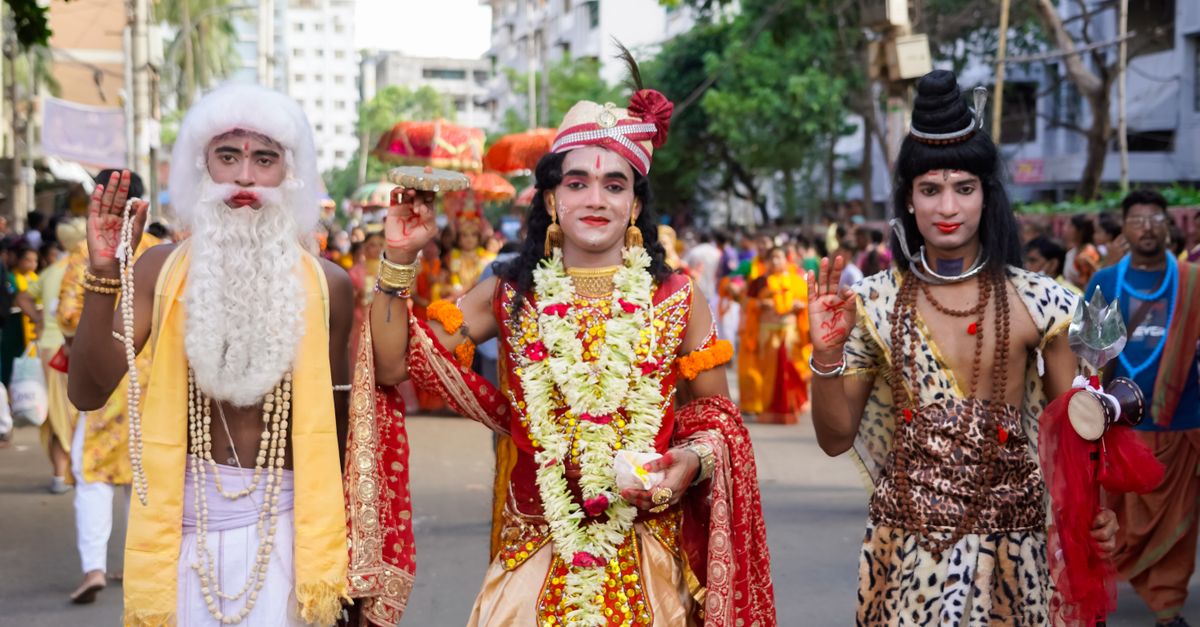
Cultural and religious festivals are perhaps the most visible manifestations of this cross-border camaraderie. Festivals like Durga Puja, Eid, and various folk festivals are celebrated with immense enthusiasm in Tripura, often featuring artists and cultural troupes from Bangladesh. During Durga Puja, for instance, many pandals in Agartala and other towns incorporate themes or artistic styles that echo those seen across the border, and vice-versa.
Local fairs and melas, particularly in border districts like Sepahijala, Gomati, and South Tripura, become informal stages for spontaneous cultural exchanges. Here, traditional artisans, musicians, and storytellers from both sides interact, share their craft, and entertain local communities, strengthening people-to-people bonds at a grassroots level.
The Digital Age: New Avenues for Exchange
In the age of digital media, the cultural exchange has found new, faster avenues. Social media platforms, YouTube, and various streaming services allow artists from Tripura and Bangladesh to reach wider audiences instantaneously. Musicians collaborate remotely, poets share their verses, and cultural events are live-streamed, breaking down geographical barriers even further. This digital connectivity ensures that the cultural flow remains dynamic and accessible to a younger generation, fostering new forms of entertainment and collaboration.
Local content creators in Tripura often draw inspiration from trends and creators in Bangladesh, leading to a hybrid form of digital entertainment that appeals to a broader regional audience. This modern dimension ensures that the cross-border cultural dialogue remains relevant and continues to evolve.
Impact on Local Economy and Harmony
Beyond the artistic enrichment, this cultural exchange also has tangible benefits. It boosts local economies through cultural tourism, artist fees, and the trade of cultural products. When artists and cultural groups travel for performances or festivals, they contribute to the hospitality sector and local businesses. More importantly, these exchanges foster greater understanding, mutual respect, and harmony between the people of the two nations, promoting peace and goodwill in the border region.
The shared love for art, music, and storytelling transcends political boundaries, creating a unique cultural zone where entertainment acts as a powerful unifier. This continuous interaction helps preserve traditional art forms while also encouraging innovation and contemporary expressions.
Conclusion: A Continuous Cultural Flow
The India-Bangladesh cultural exchange is an intrinsic part of Tripura's identity, especially its entertainment fabric. It's a testament to the enduring power of shared heritage and human connection. From the classical melodies to the vibrant folk dances, from the thought-provoking theatre to the comforting familiarity of shared festivals, the entertainment scene in Tripura is a living, breathing example of how cultures can thrive and enrich each other across borders. This dynamic interplay ensures that Tripura's cultural canvas remains vibrant, diverse, and deeply resonant with its unique regional character.

