


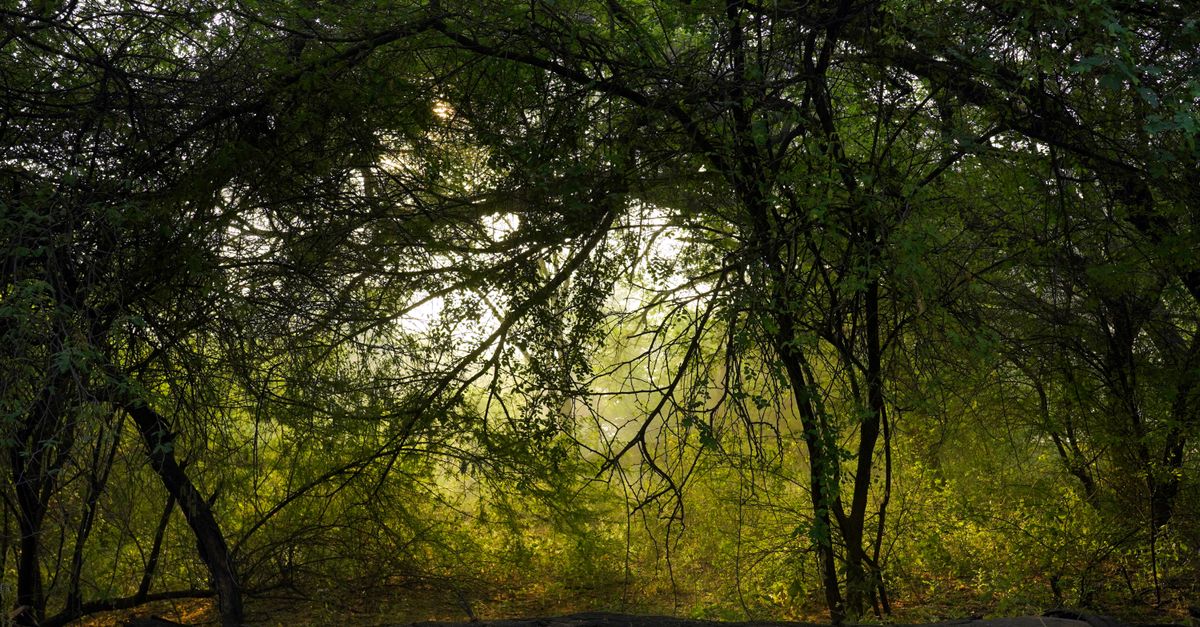
Gujarat's Green Shield: Unpacking Forest Conservation Efforts from Gandhinagar to Saurashtra
Gujarat, a state known for its vibrant culture and industrial prowess, is also making significant strides in an equally critical area: forest conservation. From the planned green city of Gandhinagar to the ecologically diverse Saurashtra region, efforts are underway to protect and expand the state's vital green cover. These initiatives are crucial not only for biodiversity but also for mitigating climate change impacts and ensuring environmental sustainability for future generations.
Forests in Gujarat face unique challenges, including a semi-arid climate in many parts and the pressures of rapid urbanization and industrial growth. Despite these hurdles, the state has demonstrated a strong commitment to enhancing its forest area and improving the health of existing ecosystems through a blend of policy, community engagement, and technological adoption.
Gandhinagar: A Capital Committed to Green Urban Spaces
Gandhinagar, the capital city of Gujarat, stands as a testament to planned urban development that integrates green spaces. Often referred to as India's 'Green City', Gandhinagar boasts an impressive tree cover, a result of decades of dedicated afforestation efforts. The city's urban forestry model emphasizes not just planting trees, but creating thriving mini-forests and green belts that serve as vital lungs for the urban environment.
These green initiatives extend beyond mere aesthetics. They play a critical role in improving air quality, reducing the urban heat island effect, and providing habitats for local bird species and small wildlife. The Forest Department, alongside local municipal bodies and educational institutions, regularly organizes tree plantation drives and awareness campaigns, encouraging residents to participate actively in maintaining the city's green heritage. This focus on urban greening sets a precedent for other developing cities in India, showcasing how ecological balance can be maintained even amidst growth.
State-Wide Initiatives and Community Participation
Gujarat's approach to forest conservation is multi-faceted, encompassing various state-level programs aimed at increasing forest cover and protecting existing forests. Schemes like the 'Mukhya Mantri Amrutam Yojana' (MA Yojana) and other afforestation drives encourage widespread tree planting across urban and rural landscapes. A significant aspect of these programs is the emphasis on planting indigenous species that are well-suited to the local climate and soil conditions, ensuring higher survival rates and better ecological integration.
Community participation is a cornerstone of successful conservation efforts in Gujarat. Many villages and local bodies are actively involved in Joint Forest Management (JFM) programs, where local communities share responsibility with the Forest Department for protecting and managing forest resources. This collaborative model empowers residents, giving them a stake in the health of their local environment and often leading to more sustainable practices. From protecting sacred groves to managing village woodlots, these grassroots efforts are making a tangible difference.
Saurashtra's Unique Ecosystems and Conservation Imperatives
Moving westwards, the Saurashtra region presents a distinct set of ecological challenges and conservation priorities. Home to the world-renowned Gir National Park and Wildlife Sanctuary, Saurashtra is crucial for the survival of the Asiatic Lion, a species found nowhere else on Earth. The dry deciduous forests of Gir are not just a habitat for lions but also support a rich diversity of flora and fauna unique to this geographical belt.
Conservation efforts in Saurashtra extend beyond Gir. The region's coastal areas, for instance, are vital for mangrove forests, which act as natural barriers against cyclones and tsunamis, protect coastlines from erosion, and serve as breeding grounds for marine life. Initiatives for mangrove regeneration and protection are critical here, often involving local fishing communities who understand the direct benefits of healthy coastal ecosystems. The challenge lies in balancing agricultural needs, industrial development, and the urgent need to protect these fragile yet incredibly important natural habitats.
Challenges and the Path Forward
Despite significant efforts, forest conservation in Gujarat faces ongoing challenges. These include habitat fragmentation due to infrastructure projects, illegal felling, forest fires, and the impact of climate change leading to altered rainfall patterns and increased droughts. Addressing these issues requires continuous vigilance, robust policy implementation, and innovative solutions.
The path forward involves strengthening surveillance technologies, promoting sustainable land use practices, and investing further in research and development for climate-resilient forestry. Education and awareness remain paramount, ensuring that every citizen understands their role in protecting Gujarat's natural heritage. By continuing to foster a sense of collective responsibility, from the bustling streets of Gandhinagar to the remote villages of Saurashtra, Gujarat can ensure its green shield remains strong for generations to come.