

Scotland has moved a major step closer to tighter control over cosmetic injectables, with Parliament passing the Non-surgical Procedures and Functions of Medical Reviewers (Scotland) Bill on 17 March 2026. The change is not a blanket ban on Botox or dermal fillers, but it is a clear safety crackdown on how, where, and by whom higher-risk procedures can be carried out.
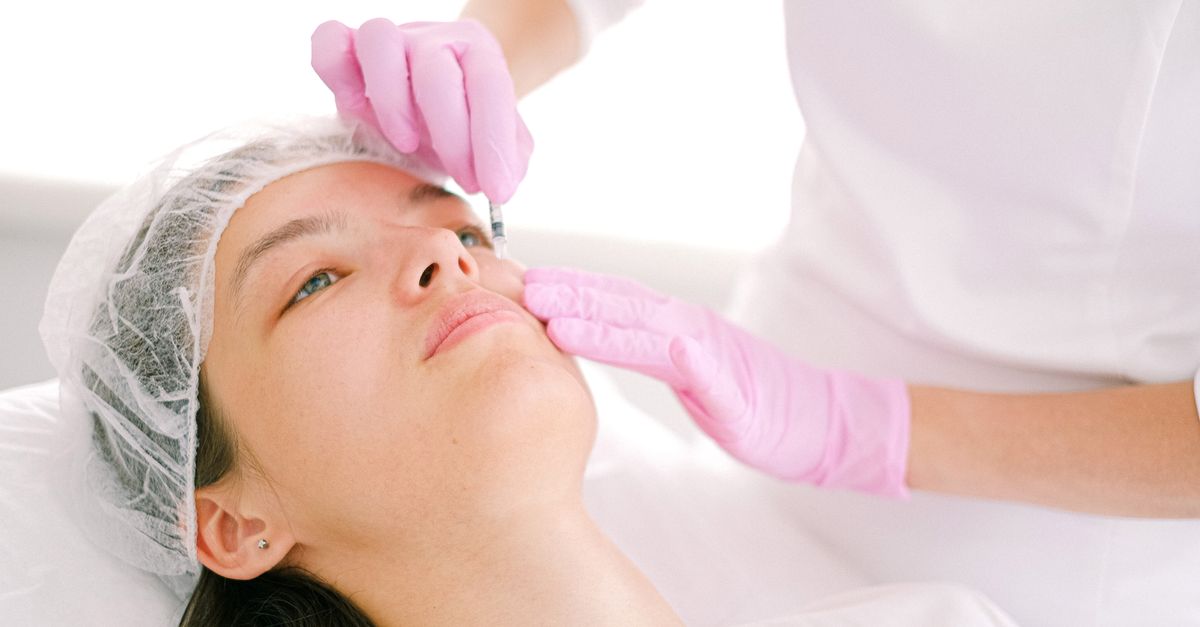
At the heart of the new law is a simple idea: procedures that pierce or penetrate the skin and can cause serious harm should not be treated like casual beauty add-ons. The Scottish Government says higher-risk cosmetic treatments must be performed by, or alongside, certain healthcare professionals in registered settings. The law also blocks these procedures for people under 18.
Why this matters
Non-surgical cosmetic procedures have become mainstream across many countries, but regulators have been under pressure for years over weak oversight, uneven training standards, and avoidable injuries. Public consultations in Scotland previously showed strong support for tighter safeguards, especially for injectables and other high-risk aesthetic treatments.
The concern is not theoretical. Government consultation material and sector feedback have repeatedly pointed to risks such as infection, scarring, tissue damage, poor aftercare, and procedures being carried out in inappropriate premises. In serious cases, badly delivered injectables can leave lasting physical and psychological harm.
What the new law changes
The legislation focuses on safety, setting, and accountability. According to the Scottish Government, the bill is designed to ensure that higher-risk cosmetic procedures take place in suitable premises with healthcare oversight. It also gives Healthcare Improvement Scotland powers to inspect premises when there are reasonable grounds to suspect an offence.
Another key point is timing. The government has said offences under the bill cannot come into force before September 2027, giving businesses time to adapt. That means the sector is getting notice, but the direction is unmistakable: loosely supervised cosmetic injectables are facing tighter scrutiny.
Is this a ban?
Not in the strict legal sense. Botox and fillers are not being outlawed altogether. What is changing is the route to access. The law raises the compliance bar for clinics, practitioners, and premises, while drawing a firmer line around age restrictions and healthcare involvement. In practical terms, it acts like a crackdown on unsafe or casual provision rather than a total prohibition.
Why the global beauty industry is watching
Scotland's move fits into a broader international trend. Governments and health regulators are increasingly treating cosmetic injections as medical-risk services rather than ordinary salon treatments. As demand rises, so does pressure to make sure patients know who is treating them, what product is being used, what complications can happen, and what emergency response exists if something goes wrong.
That makes this story important beyond Scotland. If similar safety debates intensify elsewhere, more countries could tighten rules around injectables, especially for minors and for procedures performed outside clinical environments.
What consumers should take away
Anyone considering fillers or Botox should pay close attention not just to price or popularity, but to the setting, qualifications, product traceability, and follow-up care. The regulatory signal from Scotland is clear: convenience should not come ahead of safety.
Source note: This explainer is based on the Scottish Government announcement published on 17 March 2026 about the passage of the Non-surgical Procedures and Functions of Medical Reviewers (Scotland) Bill, along with earlier government material on the proposed regulation of non-surgical procedures.