


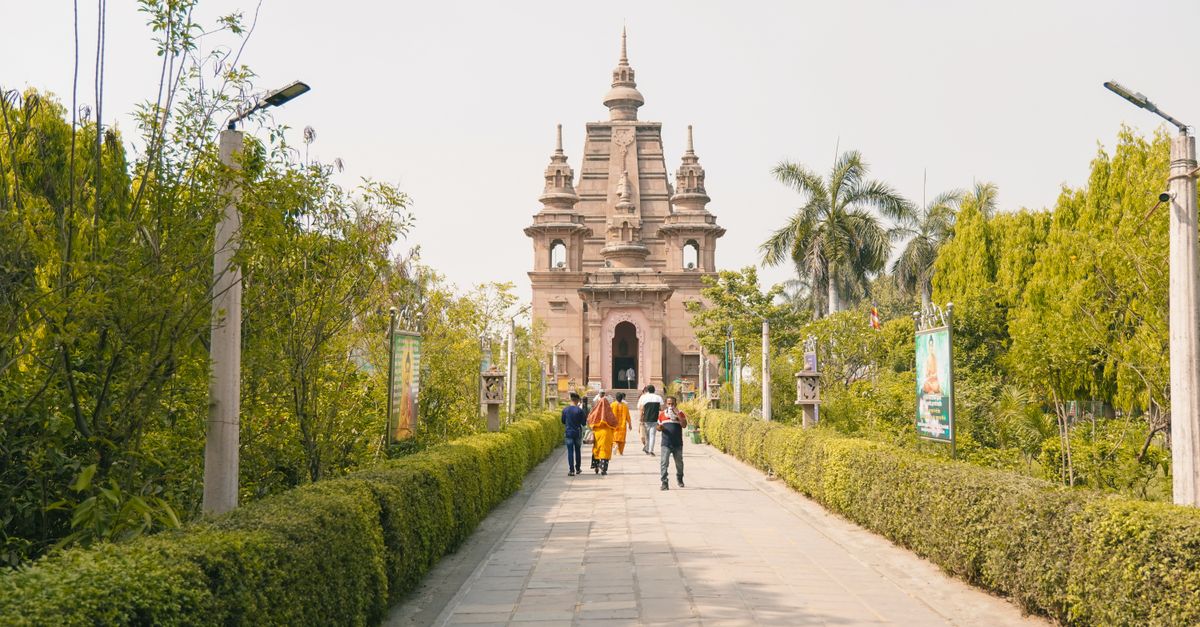
Arunachal Pradesh Prioritizes Devotee Facilities: Enhancing Pilgrim Experience Across Temples
In a significant push to bolster religious tourism and ensure a comfortable, enriching spiritual journey for devotees, the Arunachal Pradesh government has announced a comprehensive initiative to upgrade facilities at temples across the state. This ambitious project focuses not only on prominent sites in the capital, Itanagar, but also extends its reach to the culturally rich yet often challenging terrains of the frontier districts, promising a holistic improvement in pilgrim amenities.
The move comes as pilgrim numbers continue to rise, underscoring the need for modern, well-maintained infrastructure that caters to a diverse range of devotees. From basic necessities like sanitation and clean drinking water to more advanced provisions such as improved accommodation and accessibility, the state is committed to transforming the temple experience.
The Growing Need for Modern Temple Infrastructure
India, a land steeped in spiritual heritage, witnesses millions of devotees visiting its myriad temples annually. Arunachal Pradesh, with its unique blend of indigenous faiths and Buddhist traditions, is no exception. However, many temples, especially in remote areas, have historically faced challenges in providing adequate modern facilities. Pilgrims often contend with basic amenities, which, while part of the spiritual austerity for some, can be a deterrent for others, particularly families, the elderly, and those with special needs.
The state government's initiative acknowledges this gap, aiming to align the spiritual grandeur of its temples with contemporary standards of comfort and convenience. This proactive approach is expected to not only attract more pilgrims but also to position Arunachal Pradesh as a premier destination for spiritual tourism, contributing significantly to local economies.
Key Pillars of the Upgrade Initiative
The comprehensive plan focuses on several critical areas to ensure a multifaceted improvement in devotee facilities:
- Enhanced Sanitation and Hygiene: A primary focus is on constructing and upgrading modern toilet complexes, ensuring regular cleaning and maintenance, and implementing efficient waste management systems. This is crucial for public health and a dignified pilgrim experience.
- Improved Accommodation: New dharamshalas, rest houses, and community kitchens are planned or are under renovation near major temple sites. These facilities will offer clean, affordable lodging and wholesome meals, allowing devotees to extend their stays and participate more deeply in spiritual activities.
- Accessibility for All: Recognizing the importance of inclusivity, the project emphasizes making temples accessible to differently-abled individuals. This includes installing ramps, ensuring wider pathways, and providing clear signage, allowing everyone to partake in the spiritual journey without hindrance.
- Safety and Security Measures: Modern security systems, including CCTV surveillance, improved lighting, and trained security personnel, are being deployed to ensure the safety of pilgrims. Emergency medical aid points and fire safety equipment are also being established.
- Digital Integration and Information: Leveraging technology, the initiative plans to introduce online booking for accommodation, digital information kiosks providing details about temple history, rituals, and local attractions, and robust Wi-Fi connectivity in designated areas.
- Clean Drinking Water: Installation of water purification systems and multiple drinking water points will ensure access to safe and clean water for all visitors.
Arunachal's Unique Landscape: A Tailored Approach
Arunachal Pradesh's diverse topography, ranging from river valleys to high-altitude mountains, presents unique challenges and opportunities. The upgrade initiative is carefully tailored to address these specific geographical considerations. In Itanagar, home to the iconic Donyi-Polo Temple, efforts are concentrated on modernizing existing infrastructure and managing the increasing urban pilgrim flow efficiently.
For the frontier districts, often characterized by their remote locations and sparse populations, the approach involves a blend of preserving traditional aesthetics while introducing essential modern amenities. Temples in areas like Anjaw, near the revered Parshuram Kund, or in Tawang, known for its magnificent monastery, will see improvements that respect their cultural context while ensuring basic comforts. This ensures that even in the remotest corners, devotees can experience spiritual solace without undue hardship.
Economic and Social Ripple Effects
The investment in temple facilities is expected to generate significant economic and social benefits for Arunachal Pradesh. Improved infrastructure will naturally attract more tourists and pilgrims, leading to increased demand for local services, handicrafts, and food. This, in turn, will create employment opportunities for local communities, from hospitality and transport to maintenance and guiding services.
Furthermore, the initiative fosters a sense of pride and ownership among local residents, encouraging them to participate in the upkeep and promotion of their cultural heritage. The focus on hygiene and accessibility also contributes to a healthier environment and a more inclusive society, reflecting the state's commitment to holistic development.
Challenges and the Path Forward
While the vision is clear, implementing such a large-scale project across a state with challenging terrain and diverse cultural sites comes with its own set of hurdles. Funding, skilled manpower for maintenance, and ensuring community participation are crucial aspects that the government is actively addressing. Public-private partnerships and community-led initiatives are being explored to ensure the sustainability of these upgrades.
The long-term vision extends beyond mere infrastructure development. It aims to create a sustainable model for religious tourism that respects ecological balance, preserves cultural authenticity, and provides a truly transformative experience for every pilgrim. Regular feedback mechanisms will be established to continuously assess and improve the facilities based on devotee needs.
Conclusion
Arunachal Pradesh's proactive stance in upgrading temple devotee facilities marks a commendable step towards enhancing the spiritual journey for millions. By focusing on modern amenities, accessibility, and sustainable development, the state is not only preserving its rich religious heritage but also opening new avenues for tourism and local economic growth. This initiative promises a more comfortable, safer, and more enriching experience for all who seek spiritual solace in the serene landscapes of the 'Land of Dawn-lit Mountains'.