


Goa's Guardians: Uniting for Animal Rescue from Panaji to Coastal Shores
Goa, known for its pristine beaches, vibrant culture, and laid-back charm, is also home to a significant population of stray animals and diverse wildlife. Beneath the tourist-friendly facade, a dedicated network of animal lovers, volunteers, and non-governmental organizations works tirelessly to protect and care for these vulnerable creatures. From the bustling capital of Panaji to the tranquil fishing villages scattered along its extensive coastline, animal rescue in Goa is a continuous, often challenging, but deeply rewarding endeavor.
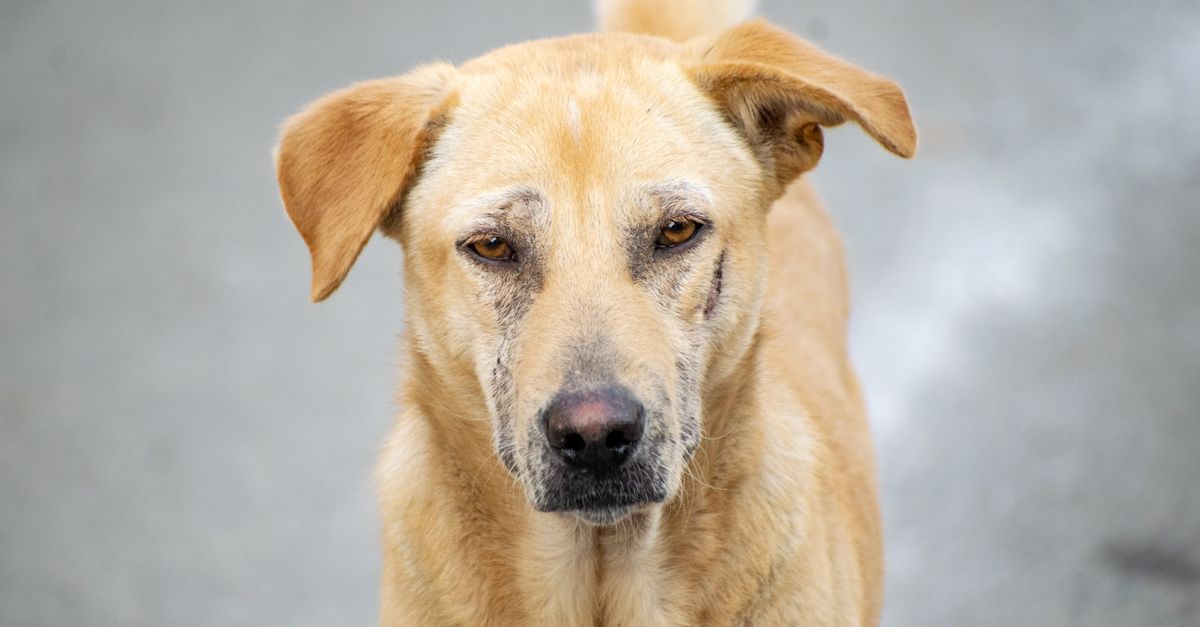
The unique landscape of Goa presents specific challenges for animal welfare. The influx of tourists, seasonal migrations, and the proximity of human settlements to natural habitats mean that animals frequently find themselves in distress. Road accidents, abandonment, illness, and injuries are common occurrences for stray dogs and cats, while wildlife like birds, reptiles, and even marine creatures often require intervention due to habitat loss, pollution, or accidental encounters with human activity.
The Unique Challenges of Coastal Goa for Animal Rescue
In Panaji and other urban centers, the challenges often revolve around managing large stray populations, ensuring access to veterinary care, and addressing issues like cruelty and abandonment. However, the coastal village belts face a different set of obstacles. These areas often have limited resources, fewer veterinary clinics, and a greater reliance on local community support for rescue operations. During the monsoon season, the challenges intensify, with many animals displaced or injured by floods and storms.
Marine animal strandings, though less frequent, are a critical concern along Goa's coast. Turtles, dolphins, and various seabirds can become entangled in fishing nets, ingest plastic, or be washed ashore due to illness or injury. Responding to such incidents requires specialized knowledge and equipment, often stretching the resources of local rescue groups. The transient nature of tourism also contributes to the problem, with some visitors adopting pets temporarily only to abandon them when they leave, adding to the stray population.
Local Heroes and Organizations Making a Difference
Across Goa, several organizations and countless individuals stand as pillars of animal welfare. Groups like Welfare of Animals in Goa (WAG), People for Animals (PFA) Goa, and numerous smaller, community-led initiatives are at the forefront of these efforts. They operate shelters, conduct rescue missions, organize vaccination and sterilization drives, and facilitate adoptions. Their work involves everything from rescuing an injured dog from a busy street in Panaji to rehabilitating an orphaned kitten found in a remote coastal village.
These dedicated teams often work round-the-clock, responding to distress calls, providing emergency medical care, and offering a safe haven for recovering animals. Volunteers play a crucial role, dedicating their time to feeding strays, assisting with transport, and helping with the daily upkeep of shelters. Their commitment highlights the deep compassion that exists within Goan communities for their animal residents.
How Communities Can Support Animal Rescue Efforts
Supporting animal rescue in Goa doesn't require being a full-time volunteer; every small action makes a difference. Here are practical ways residents and visitors can contribute:
- Report Incidents: If you spot an injured or distressed animal, contact local animal welfare organizations immediately. Provide clear details about the location and the animal's condition.
- Foster or Adopt: Shelters are often overcrowded. Fostering an animal temporarily or adopting a rescued pet provides a loving home and frees up space for other animals in need.
- Donate: Financial contributions, even small ones, help cover veterinary bills, food, and operational costs for shelters. Donations of old blankets, towels, and pet supplies are also invaluable.
- Volunteer: Offer your time for feeding drives, shelter maintenance, or transporting animals to vet appointments. Even a few hours a week can make a significant impact.
- Responsible Pet Ownership: If you own a pet, ensure they are vaccinated, sterilized, and microchipped. Never abandon a pet, especially if you are leaving the region.
- Spread Awareness: Educate friends, family, and fellow tourists about responsible animal interaction and the importance of animal welfare.
Strengthening the Future of Animal Welfare in Goa
While local efforts are commendable, there's a continuous need for increased support and collaboration. Greater involvement from local government bodies in implementing animal welfare laws, providing resources for sterilization programs, and establishing more public veterinary facilities, especially in underserved coastal areas, would significantly bolster these efforts. Public awareness campaigns can also help foster a culture of compassion and responsible coexistence between humans and animals.
The journey towards a safer, more humane environment for all animals in Goa is ongoing. It is a testament to the power of community action, compassion, and the unwavering dedication of those who speak for the voiceless. By uniting our efforts, from the vibrant streets of Panaji to the serene shores of its coastal villages, we can ensure a brighter future for Goa's cherished animal inhabitants.